
Implementing Agile Development on Teams
What you'll learn
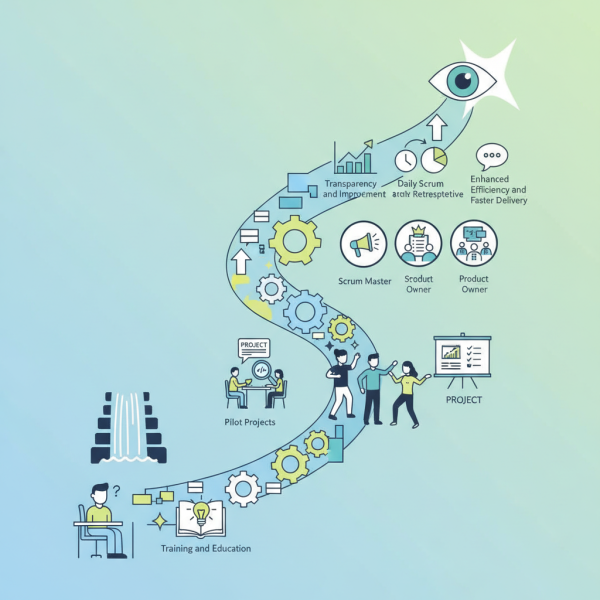
 Training and Education for Agile AdoptionPhased Implementation with Pilot ProjectsDefining Agile Roles and Empowering TeamsFostering Continuous Improvement through Retrospectives
Implementing an Agile Development strategy into a software development team is a transformative journey that promises enhanced efficiency, adaptability, and faster delivery of value. For Software Engineering Managers, this transition requires not just understanding the methodologies but also a strategic approach to cultural change, team empowerment, and continuous process refinement. Moving from traditional waterfall models to an iterative and incremental approach demands a significant shift in mindset and operational practices, challenging long-held assumptions about planning, execution, and collaboration. This article will guide you through the essential steps and considerations for successfully embedding Agile principles within your engineering organization.
Understanding the Core of Agile
Before diving into implementation, it's crucial that both management and the team deeply understand the Agile Manifesto's values and principles. Agile isn't just a set of ceremonies or tools; it's a philosophy. It prioritizes individuals and interactions over processes and tools, working software over comprehensive documentation, customer collaboration over contract negotiation, and responding to change over following a plan. Embracing these core tenets sets the foundation for a successful transition.
Managers must champion this understanding, ensuring that the team sees the value beyond just "doing Scrum" or "doing Kanban." The goal is to cultivate an environment where teams are self-organizing, cross-functional, and consistently striving for improvement and customer satisfaction. This leadership buy-in and clear communication are paramount to overcome initial resistance and skepticism.
Phased Implementation Strategy
A "big bang" approach to Agile implementation is rarely successful. A more effective strategy involves a phased rollout, allowing teams to adapt gradually and providing opportunities for learning and adjustment. This often starts with pilot projects or a single team, iterating on the process before scaling it across the organization.
1. Training and Education
The first critical step is comprehensive training. This shouldn't be limited to just developers. Product Owners, Scrum Masters, and even stakeholders need to understand their roles and how Agile processes will impact their work. Invest in certified training for key roles like Scrum Masters and Product Owners. Everyone should grasp the fundamentals of concepts such as user stories, backlogs, sprints, daily stand-ups, sprint reviews, and retrospectives.
Consider bringing in an experienced Agile coach initially to facilitate workshops, answer questions, and guide the team through their first few sprints. This external expertise can be invaluable in establishing good habits and addressing misconceptions.
2. Starting Small: Pilot Projects or Teams
Identify a suitable pilot project or a specific team to kick off the Agile transformation. This project should be manageable in scope, have clear objectives, and ideally, high visibility to showcase early successes. A pilot allows the team to learn in a lower-risk environment, iron out kinks in the process, and build confidence before a broader rollout. Select a team that is open to change and eager to experiment.
3. Establishing Roles and Responsibilities
Clearly define the new Agile roles within the team. This typically includes:
- Scrum Master: Facilitates Agile ceremonies, removes impediments, and coaches the team on Agile principles.
- Product Owner: Represents the customer, defines and prioritizes the product backlog, and ensures the team is building the right product.
- Development Team: Self-organizing and cross-functional individuals responsible for delivering working software increments.
Managers need to support these roles, empowering Product Owners to make decisions and Scrum Masters to protect the team from external distractions. Your role shifts from directing tasks to enabling the team's success.
4. Embracing Core Agile Ceremonies
Successful Agile implementation hinges on consistent execution of its ceremonies. These provide the structure for communication, planning, and feedback loops.
- Sprint Planning: Teams commit to a set of work for the upcoming sprint.
- Daily Scrum (Stand-up): Quick daily meeting to synchronize efforts, discuss progress, and identify impediments.
- Sprint Review: Demonstrate completed work to stakeholders and gather feedback.
- Sprint Retrospective: Team reflects on the past sprint to identify what went well, what could be improved, and creates actionable plans for the next sprint.
Ensure these ceremonies are time-boxed and focused. Initially, it might feel rigid, but with practice, teams will appreciate their value in maintaining transparency and progress.
5. Fostering a Culture of Transparency and Feedback
Agile thrives on transparency. Information should flow freely between team members, stakeholders, and management. Encourage open communication, honest feedback, and a safe environment for raising concerns or challenges. Visualizing work (e.g., using Kanban boards or digital tools) helps everyone understand the current status and bottlenecks.
Regular feedback loops, from sprint reviews to one-on-one discussions, are vital. This continuous feedback helps in course correction and ensures that the team is always aligned with evolving requirements and goals.
6. Continuous Improvement and Adaptation
Agile is synonymous with continuous improvement. Retrospectives are the engine of this improvement. Teams should regularly analyze their processes, identify areas for enhancement, and implement changes in subsequent sprints. As a manager, you should participate in these retrospectives where appropriate, offering support and removing organizational impediments that the team cannot address themselves.
The journey to Agile is iterative. Expect to adapt your implementation strategy based on what you learn from your teams. What works for one team might not work for another, and flexibility in your approach is key.
Measuring Success in Agile
Beyond simply "doing Agile," focus on measuring its impact. Key metrics might include:
- Velocity: The amount of work a team can complete in a sprint, providing a forecast for future sprints.
- Cycle Time/Lead Time: How long it takes for a task to move from start to finish.
- Team Satisfaction: Engaged teams are more productive.
- Customer Satisfaction: Delivering value frequently should lead to happier customers.
- Defect Density: Reducing bugs over time.
These metrics help demonstrate the value of Agile and provide data-driven insights for further optimization.
Conclusion
Implementing an Agile Development strategy is a significant undertaking for any software engineering manager, but the rewards in terms of increased productivity, adaptability, and team morale are substantial. By focusing on a phased approach, investing in training, clearly defining roles, embracing core ceremonies, fostering a transparent culture, and committing to continuous improvement, managers can successfully guide their teams through this transformation. Remember, Agile is a journey of continuous learning and adaptation, and your leadership is critical to its sustained success.
Comprehension questions
 What are the four core values of the Agile Manifesto, and why is understanding them crucial before implementation?Name and briefly describe the typical responsibilities of the three core Agile roles within a team.How do Agile ceremonies like the Sprint Review and Sprint Retrospective contribute to transparency and continuous improvement?