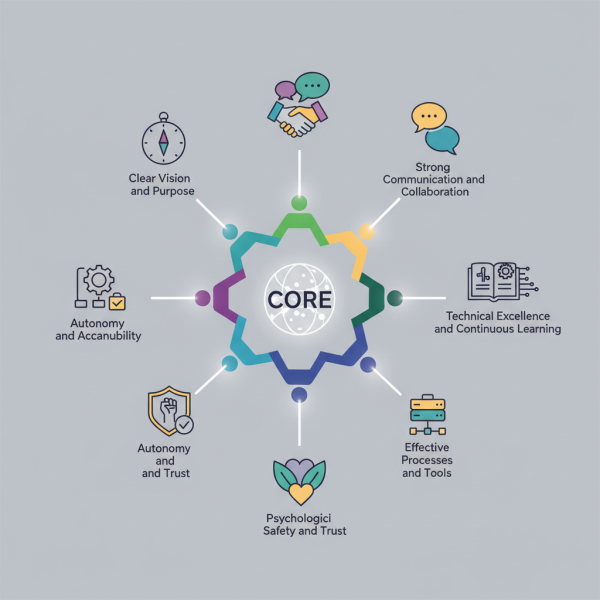
Building High Performing Dev Teams
Course Details
In the fast-paced and ever-evolving world of software development, the success of any project hinges not just on individual brilliance, but critically on the collective strength and synergy of its teams. Software Engineering Managers face the unique challenge of cultivating environments where engineers can thrive, collaborate seamlessly, and consistently deliver high-quality, innovative solutions. Building a high-performing team is not merely about assembling talented individuals; it's about architecting a system where trust, clear communication, shared purpose, and continuous improvement are the foundational pillars.
A truly high-performing software development team is characterized by its ability to achieve exceptional velocity without sacrificing quality, adapt quickly to changing requirements, and foster an environment of psychological safety where every member feels empowered to contribute, challenge, and innovate. This involves more than just process adherence; it requires a deep understanding of human dynamics, effective leadership, and a strategic approach to team building and maintenance. Managers must navigate complexities such as managing diverse skill sets, resolving conflicts constructively, and ensuring that individual career aspirations align with team objectives.
This course will delve into the essential strategies and practical tools necessary for software engineering managers to transform their teams into highly effective units. We will explore methodologies for establishing robust team foundations, fostering a culture of accountability and innovation, and implementing feedback mechanisms that drive continuous growth. From enhancing cross-functional collaboration to optimizing workflow and celebrating successes, every aspect of team excellence will be meticulously examined, providing actionable insights you can apply directly to your projects.
Join us on a journey to master the art and science of team leadership in software development. This comprehensive course is designed to equip you with the knowledge and confidence to build, nurture, and lead high-performing teams that consistently exceed expectations, drive innovation, and contribute significantly to your organization's success.
Course Contents (11 lessons)
- 1.
 Exceptional software teams are built on clear vision, strong communication, technical excellence, autonomy, psychological safety, and effective processes.
 - 2.
 Establishing clear, measurable objectives and fostering an inspiring, shared vision are essential for unifying teams, driving purposeful action, and achieving sustained collective success.
 - 3.
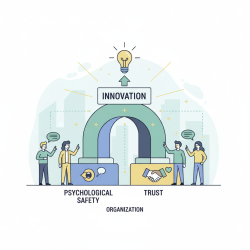 Psychological safety and trust are essential for innovation and performance. This article details how leaders can cultivate environments where teams communicate openly, collaborate, and learn.
 - 4.
 This article details robust communication strategies for diverse and remote teams, emphasizing core principles, appropriate technology, and an open culture for enhanced collaboration.
 - 5.
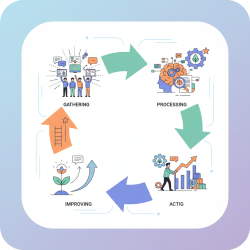 Designing and maintaining robust feedback loops are crucial for continuous improvement and individual growth, fostering a learning culture through timely, specific, and actionable insights.
 - 6.
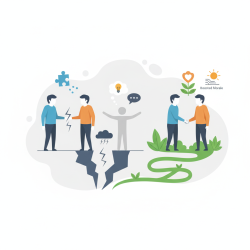 Conflicts offer growth. Resolve them by understanding roots, using open communication, active listening, and mediation for resilient teams and boosted morale.
 - 7.
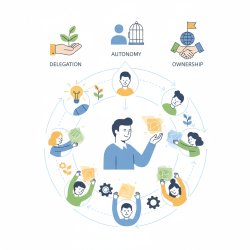 Empowering team members through strategic delegation, cultivating autonomy, and fostering genuine ownership significantly enhances engagement, productivity, and overall organizational success.
 - 8.
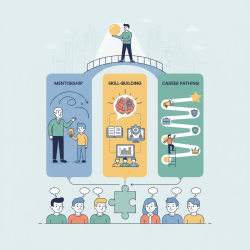 This article explores how strategic mentorship, continuous skill-building, and transparent career pathing are vital for cultivating a high-performing, engaged, and loyal team.
 - 9.
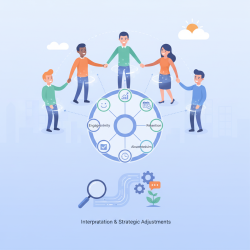 This article explores how integrating key performance indicators and various metrics provides a data-driven approach to evaluating team health, informing targeted strategic adjustments for enhanced organizational performance and well-being.
 - 10.
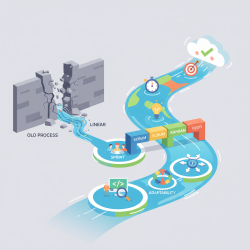 Agile optimizes development by boosting velocity, adaptability, and quality via iterative sprints, feedback, and frameworks like Scrum and Kanban.
 - 11.
 Effective leadership in evolving times needs clear communication, empathetic support, team empowerment, and continuous learning for resilience.