Nurturing Growth and Developing Team Talent Through Strategic Initiatives
- -->> 8. Nurturing Growth and Developing Team Talent Through Strategic Initiatives
What you'll learn
 Mentorship BenefitsSkill-Building StrategiesCareer Pathing ImportanceIntegrated Talent Development
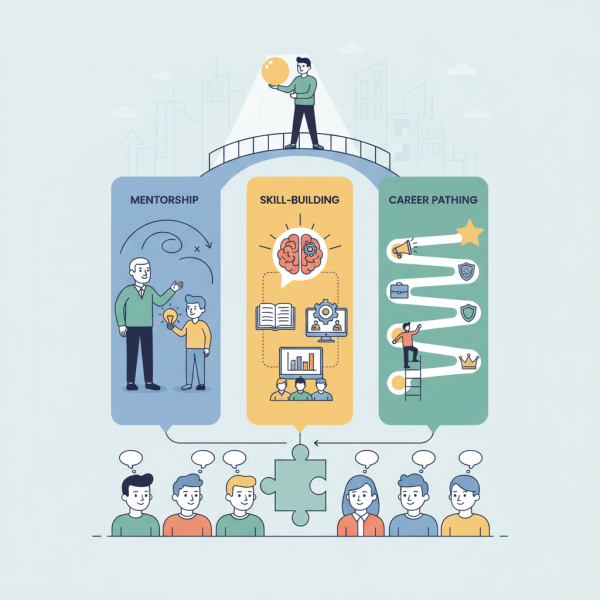
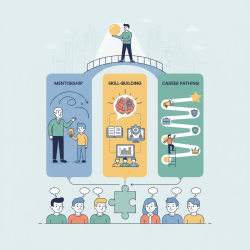
An organization's most valuable asset is its people. Cultivating a high-performing, adaptable, and engaged workforce is not merely an HR function; it's a strategic imperative for sustainable growth and competitive advantage. Developing talent within the team goes beyond basic training; it involves a holistic approach that nurtures individual potential, aligns skills with organizational goals, and provides clear pathways for advancement. This article delves into three crucial pillars of talent development: the transformative impact of mentorship, the strategic importance of continuous skill-building initiatives, and the motivational power of clear career pathing.
The Power of Mentorship
Mentorship is a cornerstone of effective talent development, establishing a relationship where experienced professionals guide and support less experienced team members. It’s a reciprocal process that fosters learning, growth, and knowledge transfer within an organization. Mentorship goes beyond instruction; it provides a safe space for dialogue, problem-solving, and personal reflection.
For mentees, the benefits are profound. They gain invaluable insights from their mentor's experience, receiving personalized advice on navigating challenges, developing specific skills, and understanding organizational culture. This guidance can significantly accelerate their learning curve and boost their confidence. Mentors, in turn, enhance their leadership and communication skills, gain fresh perspectives from their mentees, and experience the satisfaction of contributing to someone else's professional journey. For the organization, robust mentorship programs contribute to knowledge retention, foster a culture of continuous learning, and can significantly reduce employee turnover by increasing engagement and loyalty.
Key elements for effective mentorship programs include:
- Clearly defined goals and expectations for both mentors and mentees.
- Thoughtful matching based on skills, career aspirations, and personality.
- Regular check-ins and structured interaction opportunities.
- Training for mentors on effective coaching and feedback techniques.
- Ongoing program evaluation and adaptation.
Strategic Skill-Building Initiatives
Beyond one-time training sessions, continuous skill-building initiatives are essential to keep a team proficient, innovative, and resilient. The rapid pace of technological advancement and market changes means that skills can quickly become obsolete, necessitating a proactive approach to learning and development. The first step in any effective skill-building strategy is identifying current and future skill gaps within the team and across the organization.
Once gaps are identified, a diverse range of initiatives can be implemented. These might include formal workshops and seminars, access to online learning platforms and certifications, cross-functional projects that allow employees to develop new competencies in a practical setting, or even job rotations designed to broaden their experience. The goal is to cultivate a culture of continuous learning where employees are encouraged and empowered to take ownership of their professional development. Measuring the impact of these initiatives through performance metrics, feedback, and skill assessments is crucial to ensure they are delivering tangible value and evolving with organizational needs.
Successful skill-building strategies often incorporate:
- Regular skill audits and needs assessments.
- Personalized learning paths tailored to individual roles and career goals.
- A mix of learning modalities (e.g., self-paced, instructor-led, experiential).
- Opportunities for practical application and immediate feedback.
- Recognition and rewards for learning achievements.
Clear Career Pathing: A Roadmap to Success
Employees are motivated by the prospect of growth and advancement. Without a clear understanding of potential career trajectories within an organization, even highly engaged individuals may seek opportunities elsewhere. Career pathing involves defining potential roles and responsibilities an employee can pursue as they develop, providing a transparent roadmap for their professional journey within the company.
Developing individual development plans (IDPs) in collaboration with employees is a critical component of career pathing. IDPs outline specific goals, required skills, and the steps needed to achieve career aspirations, often incorporating elements of mentorship and skill-building. Transparency is key; employees should understand the criteria for advancement, the skills required for different roles, and the support available to help them reach their goals. When employees see a clear future and feel invested in, it significantly boosts motivation, job satisfaction, and long-term retention. It transforms job roles from mere tasks into stepping stones on a meaningful career journey.
Integrating the Pillars for Holistic Development
While mentorship, skill-building, and career pathing are powerful on their own, their true strength lies in their integration. A holistic talent development strategy weaves these elements together. Mentors can guide mentees through their IDPs, recommending relevant skill-building resources and helping them understand the requirements for their desired career path. Skill-building initiatives directly equip employees with the competencies needed to progress along their defined career paths, making those paths tangible and achievable. Career pathing, in turn, provides the overarching framework that gives purpose to both mentorship and skill development efforts.
Effective leadership plays a pivotal role in this integration. Leaders must champion a culture of growth, actively participate in mentorship where appropriate, allocate resources for skill development, and clearly communicate career opportunities. When leaders demonstrate commitment to employee development, it reinforces the value of these initiatives and encourages widespread participation, ultimately fostering a resilient, innovative, and loyal workforce prepared for future challenges.
Conclusion
Developing talent within a team is a continuous and multifaceted endeavor that yields significant returns for any organization. By strategically implementing robust mentorship programs, fostering proactive skill-building initiatives, and providing transparent career pathing, companies can unlock the full potential of their workforce. These interconnected strategies not only enhance individual capabilities and job satisfaction but also strengthen organizational resilience, improve retention, and build a sustainable pipeline of future leaders. Investing in people is investing in the future, ensuring a competitive edge and enduring success.
Comprehension questions
 What are the three main pillars of talent development discussed in the article?Name at least two benefits of mentorship for mentees and one for mentors.Why is identifying skill gaps considered the first step in an effective skill-building strategy?How does clear career pathing contribute to employee motivation and retention?
Review Quiz
Next Lesson
Course Contents : Building High Performing Dev Teams
- >> 8.
 Nurturing Growth and Developing Team Talent Through Strategic Initiatives