
The Crucial Role of Intellectual Property in Software Engineering Projects
What you'll learn
 Intellectual Property BasicsTypes of IP in SoftwareImportance of IP in SoftwareIP Management for Managers
Innovation is the lifeblood of progress. Yet, the very creations that drive competitive advantage – the unique algorithms, the proprietary codebases, the innovative user interfaces – are vulnerable without proper protection. This is where intellectual property (IP) becomes not just a legal formality, but a strategic imperative for every software engineering manager. Understanding, safeguarding, and leveraging IP is crucial for protecting your team's hard work, ensuring long-term business success, and fostering an environment where innovation can truly thrive.
What is Intellectual Property?
Intellectual property refers to creations of the mind – inventions, literary and artistic works, designs, symbols, names, and images used in commerce. Unlike physical property, IP is intangible, yet it holds immense value. In the context of software, IP protects the unique aspects and expressions of a software product, ensuring that creators and owners can control its use and derive economic benefits from their innovations.
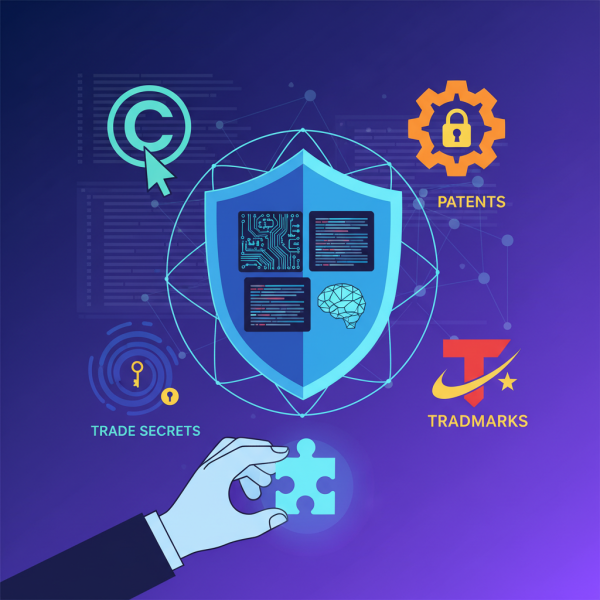
There are several primary forms of intellectual property relevant to software engineering:
- Copyright: This is perhaps the most common form of IP in software. Copyright automatically protects the expression of an idea, not the idea itself. For software, this means the actual source code, object code, user interface design, and documentation are covered. As soon as the code is written, it is copyrighted.
- Patents: Patents protect inventions that are new, useful, and non-obvious. While traditionally associated with physical inventions, software can be patented if it presents a novel process, system, or machine, often by demonstrating a tangible effect or solving a specific technical problem in a new way.
- Trade Secrets: These are confidential pieces of information that provide a business with a competitive edge. For software, trade secrets can include proprietary algorithms, specific architectural designs, unpublished source code, customer lists, or internal development processes. Maintaining secrecy is paramount for trade secret protection.
- Trademarks: Trademarks protect brand names, logos, and slogans used to identify and distinguish products or services in the marketplace. While not directly protecting the software itself, a trademark protects the identity under which the software is sold or marketed.
Why IP is Necessary in Software Engineering Projects
The necessity of intellectual property in software engineering cannot be overstated. It serves multiple critical functions, from protecting investment to enabling strategic partnerships.
Protecting Innovation and Investment
Software development is a resource-intensive endeavor, requiring significant investment in time, talent, and capital. IP rights provide a legal framework to protect these investments by giving creators exclusive rights to their work. Without IP, competitors could easily copy valuable code, replicate unique features, or steal innovative algorithms, undermining the incentive to innovate and devaluing the original creation. Managers must ensure that the innovations developed by their teams are adequately protected to justify the resources allocated.
Competitive Advantage and Market Differentiation
In a crowded market, unique software features, proprietary technologies, and distinctive user experiences are key differentiators. IP rights, particularly patents and well-guarded trade secrets, allow companies to establish and maintain a competitive edge. This exclusivity can translate into higher market share, premium pricing, and a stronger brand reputation. Managers should actively identify and secure IP related to core competencies to solidify their market position.
Facilitating Licensing and Revenue Generation
IP assets can be licensed to other companies, opening up new revenue streams without the need for direct product sales. For instance, a patented algorithm or a copyrighted software library can be licensed to third-party developers or integrated into other products. This strategy expands the reach of your innovation and generates passive income, providing flexibility and financial stability. Understanding licensing models and IP portfolios is essential for managers exploring these opportunities.
Mitigating Legal Risks and Disputes
A clear understanding and proactive management of IP can help prevent costly legal disputes. By properly documenting ownership, conducting thorough IP clearances, and ensuring compliance with licensing agreements (both for IP created and IP used from others), software engineering managers can significantly reduce the risk of infringement claims. Conversely, strong IP protection enables a company to defend its innovations against unauthorized use by others.
Attracting and Retaining Talent
For many engineers, the opportunity to work on cutting-edge, proprietary technology is a significant draw. Companies that demonstrate a commitment to protecting their innovations and provide opportunities for employees to contribute to novel, patentable ideas often attract top talent. Furthermore, employees are more likely to be engaged and feel valued when their contributions are recognized and safeguarded through IP. Managers can foster a culture that values innovation by highlighting the importance of IP protection.
Enhancing Business Valuation and Mergers & Acquisitions
For startups and established companies alike, a strong IP portfolio significantly enhances business valuation. Intangible assets, particularly robust patents and copyrights, can be a major factor in attracting investors, securing funding, and increasing desirability during mergers and acquisitions. For managers, understanding how the team's output contributes to the company's IP assets is crucial for strategic planning and growth initiatives.
Managing IP in Software Projects: Manager's Role
Software engineering managers are on the front lines of IP creation and management. Their role includes:
- Educating Teams: Ensuring developers understand what constitutes IP, the importance of protecting it, and proper procedures for documentation and disclosure.
- Establishing Clear Ownership: Defining who owns the IP created by employees, contractors, and in collaborative projects, typically through employment agreements and contracts.
- Implementing Best Practices: Encouraging detailed documentation of design decisions, code, and algorithms that could be subject to IP protection.
- Navigating Open Source: Guiding teams on appropriate use of open-source components, understanding their licenses, and managing potential IP implications.
- Fostering a Culture of Innovation: Creating an environment where novel ideas are encouraged and systematically evaluated for their IP potential.
Summary
Intellectual property is not merely a legal concept but a fundamental pillar supporting innovation, competitiveness, and sustainability in software engineering. From safeguarding the unique source code through copyright to protecting groundbreaking algorithms with patents and trade secrets, IP provides the necessary framework for companies to thrive. Software engineering managers play a pivotal role in understanding, implementing, and enforcing IP strategies, thereby protecting their team's hard work, driving market differentiation, enabling revenue generation, and mitigating risks in an increasingly complex digital landscape. Proactive IP management is an indispensable aspect of modern software leadership.
Comprehension questions
 What are the main types of intellectual property relevant to software engineering and how do they differ?Why is intellectual property considered necessary for protecting investment in software development?How can a strong IP portfolio contribute to a company's competitive advantage and market differentiation?What role do software engineering managers play in the effective management and protection of intellectual property within their teams?