Effective Communication Strategies for Diverse and Remote Teams
- -->> 4. Effective Communication Strategies for Diverse and Remote Teams
What you'll learn
 Effective CommunicationDiverse Team StructuresRemote Work StrategiesOrganizational Culture
Organizations increasingly rely on diverse team structures, often spanning different geographical locations, time zones, and cultural backgrounds. This complexity is further amplified by the widespread adoption of remote and hybrid work models. Navigating these varied environments effectively hinges on implementing robust communication strategies. Poor communication can lead to misunderstandings, reduced productivity, decreased morale, and missed opportunities. Conversely, well-designed communication frameworks foster stronger collaboration, enhance innovation, and ensure all team members feel connected and valued, regardless of their physical location or cultural context. Mastering this critical aspect is no longer a luxury but a fundamental necessity for organizational success and resilience.
Understanding Diverse Team Structures
Diverse teams encompass a wide spectrum of differences, from varying skill sets and departmental functions to cultural norms and work preferences. Geographically dispersed teams, in particular, face unique challenges related to time zone differences and the absence of spontaneous in-person interactions. Recognizing these inherent differences is the first step toward crafting tailored communication strategies that acknowledge and leverage each team member's unique contribution.
A truly diverse team thrives on varied perspectives. However, these very differences can become barriers if not managed with deliberate communication practices. Cultural nuances, communication styles (direct vs. indirect), and expectations around feedback can all impact how messages are sent and received. Understanding these underlying dynamics is crucial for building bridges rather than walls between team members.
Core Principles of Effective Communication
Regardless of the team's structure, certain fundamental principles underpin effective communication. These principles serve as a baseline for any strategy, ensuring clarity, consistency, and comprehension across all interactions.
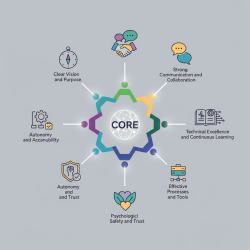
- Clarity and Conciseness: Messages should be unambiguous, easy to understand, and free from jargon. Get straight to the point, especially when communicating across diverse linguistic or cultural backgrounds.
- Active Listening: Communication is a two-way street. Encourage team members to actively listen, ask clarifying questions, and paraphrase to confirm understanding. This builds trust and prevents misinterpretations.
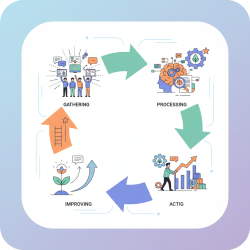
- Regular Feedback Loops: Establish mechanisms for giving and receiving constructive feedback. This allows for continuous improvement in communication processes and helps address issues proactively before they escalate.
- Choosing the Right Medium: Different messages require different channels. A quick update might suffice via instant message, while a complex decision requires a detailed video call or a comprehensive document.
- Empathy and Cultural Sensitivity: Approach interactions with an open mind, respecting different viewpoints and communication styles. Be aware of non-verbal cues and cultural context, especially in written communication where tone can be lost.
Strategies for Remote and Hybrid Teams
Remote and hybrid teams demand intentional communication efforts to bridge physical distances. Spontaneous office interactions are absent, requiring structured approaches to maintain connection and ensure information flow. These strategies focus on recreating a sense of proximity and shared purpose.
Implementing dedicated virtual "water cooler" moments, such as informal video calls or chat channels for non-work-related discussions, can help foster camaraderie and reduce feelings of isolation. Regular, structured team meetings, preferably with video enabled, are essential for maintaining alignment and personal connection. Agendas should be clear and distributed in advance, allowing all participants to prepare, regardless of their time zone.
Documentation becomes paramount in remote settings. Centralized knowledge bases, detailed project plans, and meeting minutes ensure that information is accessible to everyone, at any time. This asynchronous communication method is vital for teams operating across multiple time zones, allowing members to contribute and stay informed without needing to be online simultaneously.
Leveraging Technology for Communication
Technology is the backbone of effective communication in diverse and remote team structures. The right tools can streamline processes, enhance collaboration, and ensure seamless information exchange. Selecting appropriate platforms is critical.
Collaboration platforms like Slack, Microsoft Teams, or Google Workspace provide integrated solutions for instant messaging, file sharing, and virtual meetings. Video conferencing tools such as Zoom or Google Meet facilitate face-to-face interactions, crucial for building rapport and reducing ambiguity. Project management software (e.g., Asana, Trello, Jira) offers transparency into task progress and responsibilities, keeping everyone on the same page.
It is important to standardize tool usage across the team to avoid fragmentation and ensure everyone knows where to find information and how to communicate effectively. Training on these tools is also essential to maximize their benefits and ensure equitable access and proficiency among all team members.
Fostering a Culture of Open Communication
Beyond tools and strategies, the most impactful element is the cultivation of an organizational culture that prioritizes open, honest, and respectful communication. Leaders play a pivotal role in modeling desired behaviors and creating an environment where every team member feels safe to speak up, share ideas, and ask questions without fear of judgment.
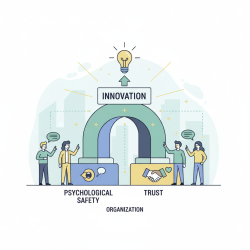
Encouraging psychological safety allows team members to admit mistakes, challenge assumptions, and propose innovative solutions. This requires leaders to actively solicit input, listen attentively, and respond constructively. Transparency from leadership regarding company goals, challenges, and decisions also builds trust and reduces speculation, particularly in remote environments where informal information channels are limited.
- Lead by Example: Leaders must demonstrate transparent and open communication.
- Promote Psychological Safety: Create an environment where team members feel comfortable expressing ideas and concerns.
- Encourage Vulnerability: Normalize asking for help and admitting when something is unclear.
- Celebrate Contributions: Acknowledge and appreciate diverse perspectives and input, reinforcing positive communication behaviors.
- Regular Check-ins: Implement one-on-one meetings to discuss progress, challenges, and personal well-being, fostering a deeper connection.
Summary
Implementing effective communication strategies across diverse and remote team structures is fundamental for modern organizational success. This article explored the unique challenges posed by diverse teams, from geographical distances to cultural differences, and outlined core principles such as clarity, active listening, and empathy. It highlighted specific strategies crucial for remote and hybrid environments, emphasizing the importance of structured interactions, robust documentation, and dedicated virtual social spaces. We also discussed leveraging technology as an enabler for seamless collaboration and information exchange. Finally, the article underscored the critical role of fostering an organizational culture of open communication, psychological safety, and transparent leadership to ensure every team member feels connected, heard, and empowered, ultimately driving productivity and innovation regardless of their location.
Comprehension questions
 What are some key challenges faced by geographically dispersed diverse teams?Name three core principles of effective communication applicable to any team structure.How does asynchronous communication benefit remote teams, especially those across different time zones?What role does psychological safety play in fostering open communication within an organization?
Review Quiz
Next Lesson
Course Contents : Building High Performing Dev Teams
- >> 4.
 Effective Communication Strategies for Diverse and Remote Teams