Designing and Maintaining Robust Feedback Loops for Continuous Growth
- -->> 5. Designing and Maintaining Robust Feedback Loops for Continuous Growth
What you'll learn
 The Essence of FeedbackDesigning Effective Feedback SystemsImplementing Feedback StructuresCultivating a Growth Culture
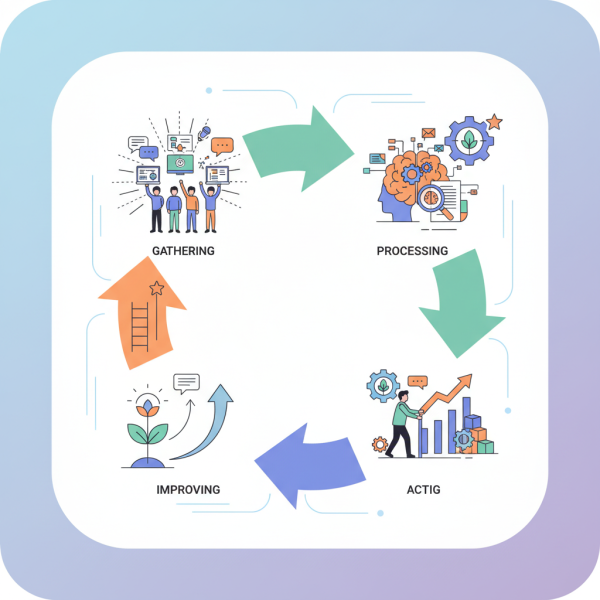
The ability to adapt, learn, and continuously improve is not just an advantage but a necessity. At the heart of this continuous evolution lies the concept of robust feedback loops. These aren't merely occasional reviews or sporadic comments; they are intentional, structured, and consistent mechanisms designed to gather, process, and act upon information, ultimately driving both organizational progress and individual professional development. When effectively designed and diligently maintained, feedback loops become the lifeblood of a learning culture, transforming potential weaknesses into strengths and fostering an environment where growth is not just encouraged, but intrinsically woven into the daily fabric of work.
Understanding the Essence of Feedback Loops
A feedback loop, in its simplest form, is a system where outputs are returned to the input of a system as part of a chain of cause-and-effect that forms a circuit or loop. In a professional context, this means that information about performance, behavior, or outcomes is communicated back to the individual or team responsible, allowing them to adjust their actions. These loops can be informal, like a quick comment from a colleague, or formal, such as a quarterly performance review or a 360-degree assessment.
The true power of a feedback loop emerges when it moves beyond mere information transmission to become a catalyst for change. It's not enough to simply deliver feedback; the recipient must understand it, accept it, and most importantly, be empowered to act upon it. This transformative potential is what separates a simple critique from a valuable development tool. Effective feedback loops are dynamic, iterative, and inherently focused on future improvement rather than past deficiencies alone.
Designing Effective Feedback Loops
Designing feedback loops that genuinely drive improvement requires careful consideration. It’s about creating systems that are not only efficient but also psychologically safe and actionable. A well-designed loop ensures that feedback is delivered in a timely, constructive, and relevant manner, making it easier for individuals to integrate into their work practices. The goal is to make feedback a regular, non-threatening part of the workflow, rather than an event to be feared.
Key characteristics of effective feedback include:
- Specificity: Vague feedback like "do better" is unhelpful. Effective feedback pinpoints specific behaviors or actions.
- Timeliness: Feedback delivered close to the event is far more impactful as the context is fresh.
- Actionability: Recipients must understand what they need to do differently. Feedback should offer pathways for improvement.
- Balance: While focusing on areas for growth, it's crucial to also acknowledge strengths and positive contributions.
- Constructiveness: Delivered with empathy and a genuine desire to help, focusing on the behavior, not the person.
- Clarity: Easy to understand and free from jargon or ambiguity.
Implementing and Maintaining Robust Systems
Once designed, the implementation and ongoing maintenance of feedback systems are critical for their long-term success. This involves establishing clear processes, providing the necessary tools, and ensuring consistent application across the organization. It's not a one-time setup but an ongoing commitment to nurturing a feedback-rich environment. Training is often a key component, ensuring both givers and receivers of feedback understand their roles and responsibilities.
Strategies for maintaining robust feedback loops include:
- Regular Check-ins: Beyond formal reviews, integrate informal, frequent check-ins between managers and team members.
- Diverse Channels: Utilize multiple channels for feedback, including peer-to-peer, upward feedback, and automated performance data.
- Goal Alignment: Connect feedback directly to individual and organizational goals, showing its relevance and impact.
- Follow-Up Mechanisms: Ensure there are processes to track progress on feedback received and to offer ongoing support.
- Feedback on Feedback: Regularly solicit input on the feedback process itself to continuously refine and improve it.
- Leadership Buy-in: Active participation and advocacy from leadership demonstrate the value of feedback.
Technology can play a significant role here, with various tools available for collecting, organizing, and delivering feedback efficiently. However, technology should always serve as an enabler, not a replacement for genuine human interaction and thoughtful reflection.
Fostering a Culture of Growth
Ultimately, the effectiveness of feedback loops is deeply intertwined with the organizational culture. A culture of growth is one where learning from mistakes is celebrated, where curiosity is encouraged, and where individuals feel safe to experiment and innovate without fear of severe repercussion for missteps. When feedback is viewed not as a judgment but as a gift—an opportunity to learn and evolve—it truly flourishes.
Building such a culture requires consistent effort. It means leaders modeling receptive behavior, actively seeking feedback themselves, and demonstrating how they act on it. It involves training employees on how to give and receive feedback effectively, transforming potentially uncomfortable conversations into constructive dialogues. It's about establishing psychological safety, where individuals feel respected and trusted, making them more open to hearing and processing critical input.
When feedback loops are ingrained in the cultural fabric, they empower individuals to take ownership of their development. They provide clarity on performance, highlight areas for skill enhancement, and foster a sense of shared responsibility for collective success. This continuous cycle of input, reflection, and adjustment not only boosts individual capabilities but also enhances team cohesion and organizational agility, preparing the entity to navigate future challenges with greater resilience and innovation.
Summary
Robust feedback loops are essential tools for continuous improvement and individual professional growth in any dynamic environment. This article explored the fundamental nature of feedback loops, emphasizing their role as catalysts for change rather than mere information transmitters. It detailed key characteristics for designing effective feedback systems, such as specificity, timeliness, and actionability, and outlined practical strategies for implementing and maintaining these systems, including regular check-ins and diverse feedback channels. Finally, the discussion highlighted the critical importance of fostering a growth-oriented organizational culture where feedback is embraced as a valuable gift, empowering individuals and strengthening the entire organization through ongoing learning and adaptation.
Comprehension questions
 What is the fundamental purpose of a feedback loop in a professional context beyond mere information transmission?List three key characteristics that define effective feedback according to the article.Besides formal reviews, what are two strategies mentioned for maintaining robust feedback loops?How does an organizational culture of growth relate to the effectiveness of feedback loops?
Community Poll
Next Lesson

Course Contents : Building High Performing Dev Teams
- >> 5.
 Designing and Maintaining Robust Feedback Loops for Continuous Growth