Navigating Conflict for Stronger Team Collaboration and Morale
- -->> 6. Navigating Conflict for Stronger Team Collaboration and Morale
What you'll learn
 Understanding Conflict OriginsConstructive Conflict ApproachKey Resolution StrategiesBuilding Conflict-Resilient Teams
Team conflicts are an unavoidable aspect of any collaborative environment. Rather than viewing them as disruptive forces, they can be re-framed as unique opportunities for growth, innovation, and strengthening interpersonal bonds. Successfully navigating and resolving these disagreements constructively is paramount for fostering a resilient team culture, enhancing overall collaboration, and significantly boosting morale.
Understanding the Roots of Conflict
Conflicts often arise from a variety of sources, none inherently malicious. They can stem from differing perspectives on how to approach a task, distinct communication styles that lead to misunderstandings, or even competition for limited resources. Unclear roles, varying work priorities, and diverse personalities can also contribute to friction within a team.
Recognizing the underlying causes is the first step toward effective resolution. It requires a willingness to look beyond the surface-level disagreement and understand the motivations and concerns driving each individual's stance.
The Constructive Approach to Conflict
A constructive approach to conflict resolution shifts the focus from blame and negative outcomes to identifying solutions and mutual understanding. It's about transforming a potentially destructive situation into a productive dialogue that ultimately strengthens the team.
This mindset views conflict not as an end, but as a catalyst for deeper insights, improved processes, and more robust team dynamics. It encourages empathy, respect, and a collective commitment to moving forward positively.
Key Strategies for Resolution
Open Communication and Active Listening
Creating a safe space for open and honest communication is fundamental. Team members must feel comfortable expressing their viewpoints without fear of judgment or reprisal. Active listening is equally critical, ensuring that each party truly hears and understands the other's perspective.
- Give your full, undivided attention to the speaker.
- Ask clarifying questions to ensure you grasp their message completely.
- Summarize what you've heard to confirm understanding before responding.
Focus on Issues, Not Personalities
When disagreements arise, it is vital to separate the problem from the person. The goal is to address the specific issue at hand, rather than making personal attacks or generalizations about an individual's character or competence. Using "I" statements rather than "You" statements can help keep discussions objective and less accusatory.
Seeking Common Ground
Even in deeply entrenched conflicts, there is often some common ground or shared objective. Identifying these mutual interests can serve as a powerful foundation for building consensus. Brainstorming solutions collaboratively allows the team to take ownership of the resolution and find creative compromises that benefit everyone involved.
Mediation and Facilitation
When conflicts escalate or become particularly challenging to resolve independently, a neutral third party can be invaluable. A mediator or facilitator can guide the discussion, ensure all voices are heard, and help the team navigate sensitive topics constructively. This individual helps maintain fairness and focus, moving the conversation towards a productive outcome.
Building a Conflict-Resilient Team
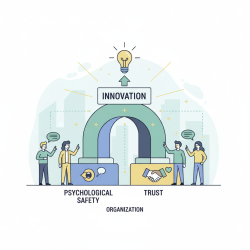
Proactive measures are essential for fostering a team that can not only resolve conflicts but also learn from them. This includes establishing clear team norms, providing training in conflict resolution skills, and promoting an environment of psychological safety where team members feel secure in expressing dissent or making mistakes.
- Establish clear communication protocols and team norms for respectful interaction.
- Regularly provide opportunities for constructive feedback and open dialogue.
- Promote a culture of psychological safety where team members feel safe to speak up.
Benefits of Effective Conflict Resolution
Successfully navigating team conflicts yields numerous benefits. It strengthens interpersonal relationships, builds trust, and fosters a deeper understanding among team members. Moreover, it enhances problem-solving capabilities, stimulates innovation through diverse perspectives, and ultimately leads to improved team morale, cohesion, and productivity.
Summary
Team conflicts are an inevitable part of collaboration, but they present significant opportunities for growth when approached constructively. By understanding their roots, adopting a positive mindset, and employing strategies like open communication, active listening, focusing on issues, and seeking common ground, teams can transform disagreements into strengths. Proactive measures build resilience, leading to enhanced collaboration, stronger relationships, and higher morale, ultimately benefiting the entire organization.
Comprehension questions
 What are some common roots or sources of team conflicts according to the article?How does the article suggest reframing team conflicts, and what are the potential benefits of this perspective?Name and briefly explain three key strategies for constructive conflict resolution mentioned in the article.What proactive measures can a team take to become more conflict-resilient?
Community Poll
Next Lesson
Course Contents : Building High Performing Dev Teams
- >> 6.
 Navigating Conflict for Stronger Team Collaboration and Morale