Empowering Teams via Delegation, Autonomy, and Ownership
- -->> 7. Empowering Teams via Delegation, Autonomy, and Ownership
What you'll learn
 Effective DelegationCultivating AutonomyFostering OwnershipTeam Empowerment
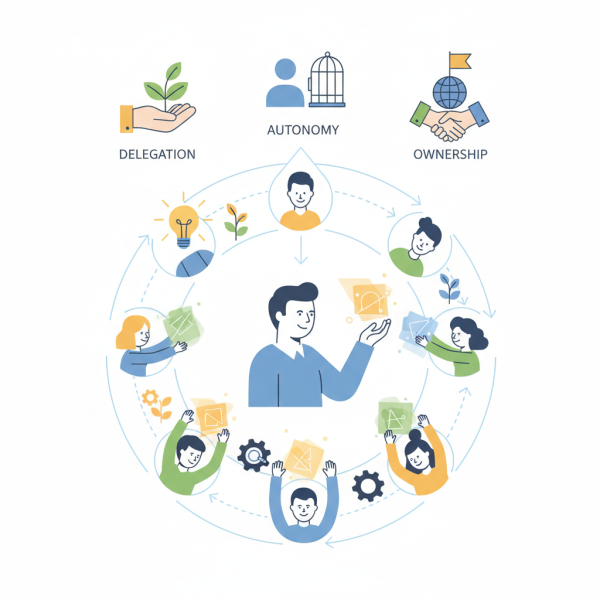
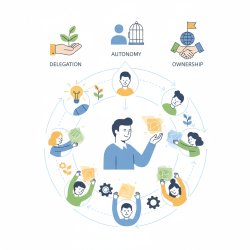
Empowering team members is not merely a buzzword; it is a fundamental shift in leadership philosophy that can unlock unprecedented levels of productivity, innovation, and job satisfaction within an organization. By strategically embracing delegation, fostering genuine autonomy, and cultivating a profound sense of ownership, leaders can transform passive contributors into active stakeholders. This approach moves beyond traditional hierarchical structures, recognizing that empowered individuals are more motivated, resilient, and committed to achieving shared goals. It's about building a culture where every team member feels valued, trusted, and equipped to make meaningful contributions, ultimately driving collective success.
The Power of Effective Delegation
Delegation is more than just offloading tasks; it's a strategic tool for development and empowerment. When done correctly, it demonstrates trust in an individual's capabilities and provides opportunities for growth. Effective delegation involves assigning not just tasks, but also the authority and responsibility required to complete them successfully. This requires clear communication of expectations, desired outcomes, and available resources. It also means resisting the urge to micromanage once the task has been delegated.
A thoughtful leader will match the right task to the right person, considering their skills, interests, and development goals. This not only ensures the task is completed efficiently but also helps team members expand their skill sets and confidence. Regular check-ins, rather than constant oversight, allow for support and guidance without undermining the delegate's sense of control. This balance is crucial for fostering an environment where team members feel capable and valued, rather than merely instructed.
Cultivating Autonomy and Trust
Autonomy is the freedom to decide how to achieve a goal, rather than just what the goal is. It’s about giving team members the latitude to make choices regarding their work processes, problem-solving approaches, and even their work schedules where appropriate. This trust-based approach signals that leaders believe in their team's judgment and ability to deliver results without constant supervision. When individuals have autonomy, they are more likely to take initiative, experiment with new ideas, and feel a greater sense of psychological safety.
To cultivate autonomy, leaders must establish clear boundaries and objectives, then step back and allow team members the space to operate within those parameters. This might involve providing access to information, resources, and decision-making power that might traditionally be reserved for higher levels. The initial investment in trust often yields significant returns in terms of innovation, improved morale, and increased efficiency. Allowing for mistakes, and viewing them as learning opportunities, is also a critical component of building an autonomous culture.
Fostering a Sense of Ownership
Ownership is the feeling that one’s work is personally meaningful and that one has a direct stake in its success or failure. It’s a powerful motivator that transforms a job into a mission. When team members feel ownership, they are more likely to go above and beyond, take responsibility for outcomes, and proactively seek solutions to challenges. This sense of personal accountability extends beyond individual tasks to the broader team and organizational objectives.
Creating ownership starts with involving team members in goal setting and strategic planning. When individuals contribute to shaping the direction, they are far more invested in the journey. Additionally, providing transparency about organizational performance and celebrating both individual and collective achievements reinforces the idea that everyone's contribution matters. Connecting daily tasks to the bigger picture helps team members understand the impact of their work and reinforces their role as integral parts of the team's success.
Practical Strategies for Implementation
Implementing these strategies requires deliberate effort and consistency. Here are some practical steps leaders can take:
- Define Clear Expectations and Outcomes: Before delegating, ensure the goals, scope, and expected results are crystal clear. Provide context for why the task is important.
- Invest in Skill Development: Offer training, mentorship, and resources to ensure team members have the necessary skills and confidence to take on new responsibilities autonomously.
- Provide Timely and Constructive Feedback: Regularly give feedback that is specific, actionable, and focused on growth, rather than just evaluation.
- Empower Decision-Making: Grant appropriate levels of authority for decision-making related to delegated tasks, even if it means occasional course corrections.
- Promote Open Communication: Create an environment where team members feel comfortable asking questions, sharing ideas, and admitting challenges without fear of reprimand.
- Recognize and Reward Initiative: Acknowledge and celebrate instances where team members demonstrate initiative, ownership, and innovative problem-solving.
Overcoming Challenges
While the benefits are substantial, implementing these strategies is not without challenges. Leaders may struggle with the fear of losing control, the time required for initial training and support, or the risk of mistakes being made. Team members, on the other hand, might resist taking on more responsibility due to lack of confidence, fear of failure, or a preference for clear-cut instructions. Overcoming these hurdles requires patience, consistent communication, and a commitment to continuous learning and adaptation from both leaders and team members. Building trust is a gradual process, and setbacks should be viewed as opportunities to refine the approach.
Summary
In conclusion, empowering team members through effective delegation, cultivating genuine autonomy, and fostering a strong sense of ownership is a transformative leadership approach. It shifts the focus from command and control to collaboration and trust, leading to a more engaged, innovative, and productive workforce. By clearly defining expectations, investing in development, granting decision-making freedom, and promoting a personal stake in success, organizations can harness the full potential of their teams. This ultimately creates a resilient and high-performing environment where individuals thrive and collective goals are achieved with greater enthusiasm and commitment.
Comprehension questions
 What are the three core pillars of team empowerment discussed in the article?How does effective delegation differ from simply offloading tasks, and what does it demonstrate?What are some practical strategies a leader can implement to foster a sense of ownership within their team?What are some potential challenges leaders might face when trying to empower their team members, and how can these be overcome?
Review Quiz
Next Lesson

Course Contents : Building High Performing Dev Teams
- >> 7.
 Empowering Teams via Delegation, Autonomy, and Ownership