Effective Leadership in an Era of Technical Changes
- -->> 11. Effective Leadership in an Era of Technical Changes
What you'll learn
 Effective CommunicationEmpathetic LeadershipTeam EmpowermentContinuous Learning
Change is not just a constant; it's an accelerating force. Leaders are increasingly tasked with steering their teams through periods of significant uncertainty and rapid technological evolution. The ability to effectively navigate these turbulent waters, maintaining team morale, productivity, and a clear strategic direction, defines modern leadership. This article explores essential strategies and principles for guiding your team successfully through the complexities of a constantly shifting environment.
Understanding the Modern Landscape
The contemporary business world is characterized by several interconnected forces that drive incessant change. Technological advancements, from artificial intelligence and automation to new communication platforms, reshape how we work and interact. Global economic shifts, geopolitical events, and evolving customer expectations further compound this complexity, creating an environment ripe with both challenges and opportunities. For teams, this often translates into ambiguity regarding roles, processes, and even the long-term vision, making strong, adaptive leadership indispensable.
Establishing Clear Communication and Transparency
During times of change, the unknown can breed anxiety and resistance. Leaders must prioritize clear, consistent, and transparent communication to mitigate these feelings. Regular updates, even when details are still developing, help manage expectations and build trust. Openly discussing the reasons behind changes, the potential impacts, and the strategic vision provides a sense of direction and purpose.
- Be Proactive: Share information as soon as it's available and relevant, rather than waiting until it's perfectly polished.
- Be Honest: Acknowledge challenges and uncertainties. Authenticity fosters credibility.
- Be Consistent: Deliver messages through multiple channels and ensure a unified narrative from all leadership levels.
- Encourage Dialogue: Create forums for questions and feedback, demonstrating that concerns are heard and valued.
Fostering Empathy and Support
Change impacts individuals differently. Some may embrace new technologies and processes with enthusiasm, while others might feel overwhelmed, insecure, or resistant due to a fear of the unknown or the loss of familiar routines. Empathetic leadership involves recognizing these diverse reactions and providing tailored support.
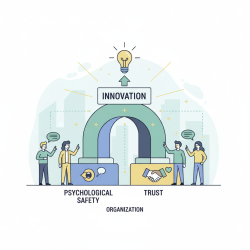
Leaders should actively listen to team members' concerns, validate their feelings, and offer resources such as training, coaching, or mental health support. Creating a psychologically safe environment where individuals feel comfortable expressing vulnerability without fear of judgment is crucial for maintaining morale and engagement during stressful periods.
Empowering Teams and Promoting Agility
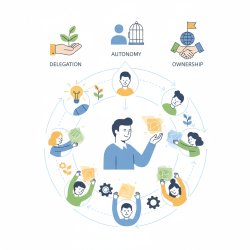
In uncertain times, a command-and-control approach can hinder responsiveness. Instead, effective leaders empower their teams, delegating decision-making authority where appropriate and fostering a culture of ownership. Empowered teams are more likely to adapt quickly, innovate solutions, and take initiative.
Promoting agility means encouraging experimentation, learning from failures, and iterating quickly. Leaders should provide their teams with the necessary tools, autonomy, and psychological safety to try new approaches, even if some don't succeed. This cultivates resilience and a proactive mindset essential for navigating unforeseen challenges.
Navigating Technological Evolution
Technological advancements are a primary driver of current changes. Leaders must embrace this evolution, not resist it. This involves more than just implementing new tools; it requires a cultural shift towards continuous learning and adaptation.
- Champion a Growth Mindset: Encourage team members to view new technologies as opportunities for skill development and personal growth.
- Invest in Upskilling and Reskilling: Provide accessible and relevant training programs. This not only equips the team with new capabilities but also demonstrates a commitment to their professional development.
- Pilot and Iterate: Introduce new technologies incrementally, allowing teams to test, provide feedback, and adapt processes gradually.
- Showcase Early Adopters: Highlight successes and positive experiences of team members who embrace new tech to inspire others.
Building a Resilient Team Culture
A resilient team is one that can withstand shocks, recover quickly, and even thrive amidst adversity. Building such a culture requires consistent effort from leadership.
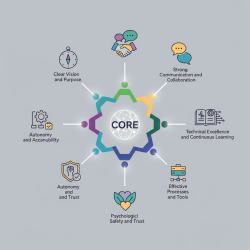
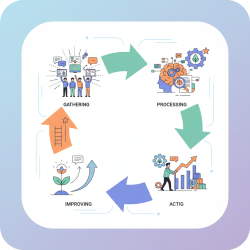
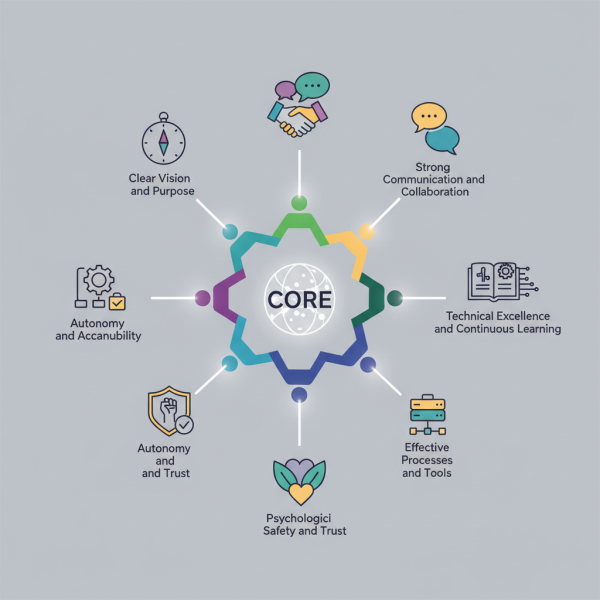
Key elements include fostering a strong sense of shared purpose and mission, ensuring that every team member understands how their contribution aligns with the larger organizational goals. Celebrating small wins, acknowledging hard work, and maintaining a positive outlook even when faced with setbacks further strengthens team bonds and collective resilience. Regular feedback loops, both upwards and downwards, ensure that the team is continuously learning and adjusting its approach.
Summary
Leading a team through periods of change, uncertainty, and rapid technological evolution demands a multifaceted approach focused on human-centric leadership. Key strategies include establishing clear and transparent communication, fostering empathy and providing unwavering support to team members, empowering teams to be agile and innovative, and proactively investing in upskilling and embracing technological evolution. By cultivating a resilient team culture built on trust, psychological safety, and a shared vision, leaders can not only guide their teams through challenges but also position them for sustained success in an ever-changing world.
Comprehension questions
 Why is clear and transparent communication crucial for leaders during periods of change and uncertainty?What role does empathy play in supporting team members through technological evolution and organizational shifts?How can leaders empower their teams to be more agile and innovative when facing unforeseen challenges?What are key strategies for leaders to navigate technological evolution effectively and foster a growth mindset within their teams?
Review Quiz
Next Lesson
Course Contents : Building High Performing Dev Teams
- >> 11.
 Effective Leadership in an Era of Technical Changes