Leveraging KPIs and Metrics for Team Health
- -->> 9. Leveraging KPIs and Metrics for Team Health
What you'll learn
 Team Health AssessmentKPI ImplementationData-Driven StrategyWorkplace Culture Improvement
Understanding and nurturing team health is paramount to sustained success. Beyond individual performance metrics, the collective well-being, engagement, and effectiveness of a team directly impact productivity, innovation, and ultimately, an organization's bottom line. Leveraging key performance indicators (KPIs) and a robust set of metrics provides a scientific approach to assessing this often-intangible aspect of operations. By systematically tracking relevant data, leaders can gain invaluable insights into the pulse of their teams, enabling proactive interventions and informed strategic adjustments that foster a thriving work culture and drive organizational goals.
The Imperative of Team Health Metrics
Team health is not merely a soft skill; it's a critical component of operational efficiency and long-term viability. A healthy team exhibits strong collaboration, high morale, effective communication, and a shared sense of purpose. Conversely, an unhealthy team can suffer from low engagement, high turnover, poor quality output, and internal conflicts. Relying solely on anecdotal evidence or gut feelings to gauge team health is insufficient and prone to biases. Metrics provide an objective, data-driven lens, allowing organizations to move beyond assumptions and identify precise areas for improvement. This structured approach ensures that resources are allocated effectively, addressing root causes rather than just symptoms.
Key Performance Indicators for Assessing Team Health
A comprehensive assessment of team health requires a blend of quantitative and qualitative KPIs. These indicators should cover various facets of team dynamics and output. Some core metrics include:
- Engagement Scores: Derived from surveys (e.g., eNPS, pulse surveys) measuring employee satisfaction, motivation, and connection to the organization.
- Retention Rates: Tracking voluntary turnover within specific teams can highlight underlying issues related to management, workload, or culture.
- Productivity Metrics: While not solely indicative of health, consistent dips or spikes in output (e.g., project completion rates, bug resolution times) can signal deeper health concerns.
- Absenteeism Rates: High or increasing absenteeism can be a clear red flag for burnout, stress, or dissatisfaction.
- Peer Feedback & Collaboration Metrics: Tools that allow for peer recognition or track cross-functional collaboration can provide insights into team cohesion and communication effectiveness.
- Project Success Rates: The ability of a team to consistently deliver successful projects on time and within scope is a strong indicator of its health and functionality.
Implementing a Measurement Framework
To effectively leverage these KPIs, an organization needs a structured measurement framework. This involves:
- Defining Clear Objectives: What specific aspects of team health are most critical to monitor?
- Selecting Relevant Metrics: Choose KPIs that directly align with these objectives and are measurable. Avoid vanity metrics.
- Establishing Baselines: Before making changes, understand the current state. This allows for accurate comparison later.
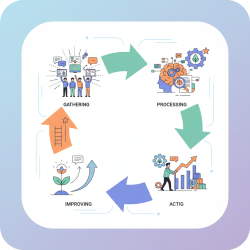
- Regular Data Collection: Implement systems for consistent and unbiased data gathering. This could involve automated tools, regular surveys, or HR system integrations.
- Data Visualization: Present data in easily digestible formats, such as dashboards, to facilitate understanding and trend identification.
Interpreting Data and Informing Strategic Adjustments
Collecting data is only the first step; the true value lies in its interpretation and application. Look for patterns, anomalies, and correlations. For example, a decline in engagement scores coupled with an increase in absenteeism might suggest widespread burnout. Once insights are gleaned, they must inform strategic adjustments. This could involve:
- Process Improvements: Streamlining workflows or reducing bureaucratic hurdles to alleviate team stress.
- Training & Development: Providing skill-building opportunities to address capability gaps or foster leadership qualities.
- Communication Enhancements: Implementing new tools or strategies to improve information flow and transparency.
- Recognition & Rewards Programs: Boosting morale and motivation through acknowledgment of contributions.
- Work-Life Balance Initiatives: Introducing flexible work options or promoting wellness programs to combat burnout.
- Leadership Development: Training managers to better support their teams, fostering psychological safety and effective conflict resolution.
Challenges and Best Practices
While the benefits are clear, implementing a team health metrics program comes with challenges. Data privacy concerns, resistance to change, and the risk of misinterpreting data are common hurdles. Best practices include:
- Transparency: Clearly communicate the 'why' behind data collection to build trust.
- Anonymity: Ensure mechanisms for anonymous feedback to encourage honest responses.
- Actionability: Focus on metrics that lead to concrete, actionable insights.
- Continuous Improvement: Treat the framework as a living system, regularly reviewing and refining metrics.
- Holistic View: Combine quantitative data with qualitative feedback (e.g., one-on-one meetings, focus groups) for a complete picture.
Avoid using metrics for punitive measures; instead, frame them as tools for growth and support. The goal is to create an environment where teams feel valued and empowered, not scrutinized.
Summary
Leveraging KPIs and metrics is crucial for objectively assessing team health, moving beyond intuition to data-driven insights. By tracking indicators like engagement, retention, and productivity, organizations can identify specific areas for improvement. Implementing a structured measurement framework involves clear objectives, regular data collection, and thoughtful interpretation, which then informs strategic adjustments such as process improvements, training, and communication enhancements. This proactive approach, coupled with transparency and a focus on continuous improvement, ensures that teams remain engaged, productive, and resilient, ultimately contributing significantly to overall organizational success and a healthy workplace culture.
Comprehension questions
 Why is it insufficient to rely solely on anecdotal evidence for assessing team health?What are three examples of key performance indicators that can be used to assess team health, and what might each indicate?What are the key steps involved in implementing an effective team health measurement framework?How should organizations interpret collected data on team health, and what types of strategic adjustments can be made based on these insights?
Review Quiz
Next Lesson
Course Contents : Building High Performing Dev Teams
- >> 9.
 Leveraging KPIs and Metrics for Team Health