Strong Communication and Collaboration
- -->> 1. Strong Communication and Collaboration
What you'll learn
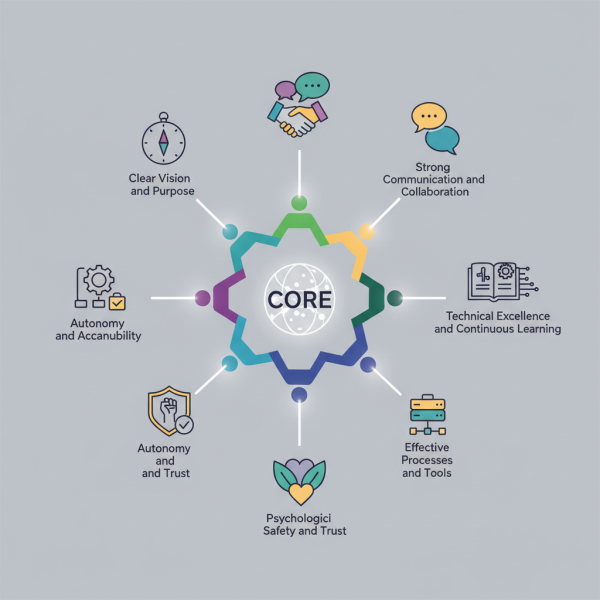
 Clear Vision and PurposeStrong Communication and CollaborationTechnical Excellence and Continuous LearningPsychological Safety and Trust
The difference between merely delivering code and consistently achieving exceptional results frequently lies in the foundational elements that define a high-performing team. It's not just about individual talent, but how those talents coalesce, collaborate, and continuously evolve within a well-structured and supportive environment. Understanding these core principles is crucial for any organization aiming to build, sustain, and scale effective development operations.
Clear Vision and Purpose
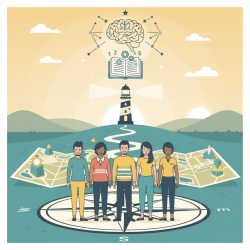
High-performing teams possess an unambiguous understanding of their mission. Every team member knows not only what they are building but why it matters, how it aligns with broader organizational goals, and the impact it will have on users or the business. This shared vision acts as a compass, guiding decisions and fostering a sense of collective ownership.
- Shared Objectives: Everyone understands and commits to common goals.
- Impact Awareness: Team members see the value and consequence of their work.
- Alignment: Individual efforts contribute directly to the larger organizational strategy.
Strong Communication and Collaboration
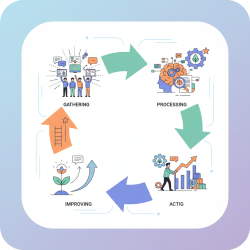
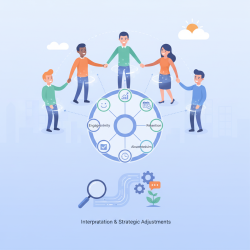
Effective communication is the lifeblood of any successful software team. It encompasses not just formal meetings but also continuous, open dialogue, active listening, and the willingness to share knowledge and seek feedback. Collaboration thrives when team members feel comfortable discussing challenges, brainstorming solutions, and working together across disciplines.
Transparency in progress, obstacles, and decisions prevents misunderstandings and accelerates problem-solving. Tools and practices that facilitate seamless information exchange are invaluable, but the underlying culture must champion openness and mutual support.
Technical Excellence and Continuous Learning
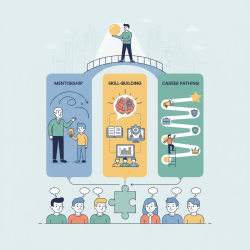
A high-performing team demonstrates a commitment to technical excellence. This involves writing clean, maintainable, and robust code, adhering to best practices, and striving for quality in every deliverable. Crucially, such teams also prioritize continuous learning and improvement. The software landscape evolves rapidly, and static skill sets quickly become obsolete.
Team members are encouraged to explore new technologies, refine existing skills, share insights, and learn from both successes and failures. This culture of continuous improvement ensures the team remains cutting-edge and adaptable to new challenges.
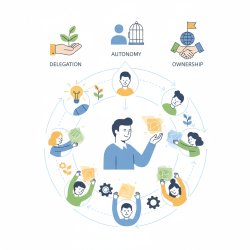
Autonomy and Accountability
Empowering teams with a significant degree of autonomy over their work processes and technical decisions fosters greater ownership and innovation. When teams are trusted to determine the best way to achieve their objectives, they become more engaged and creative. However, this autonomy is balanced with strong accountability.
Each team member, and the team as a whole, is responsible for the outcomes of their work. Clear expectations and regular feedback mechanisms ensure that freedom is exercised responsibly, and commitments are met.
Psychological Safety and Trust
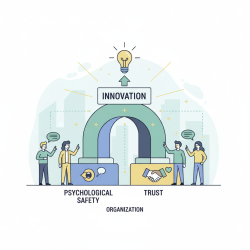
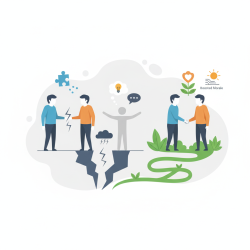
Psychological safety is the bedrock upon which truly high-performing teams are built. It's an environment where team members feel safe to take risks, ask questions, admit mistakes, and voice dissenting opinions without fear of punishment or humiliation. This level of trust enables open communication, encourages innovation, and makes it possible to address problems head-on rather than sweeping them under the rug.
Leaders play a critical role in cultivating psychological safety by modeling vulnerability, encouraging open dialogue, and demonstrating empathy.
Effective Processes and Tools
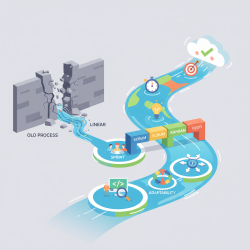
While culture and people are paramount, effective processes and well-chosen tools provide the necessary infrastructure. Agile methodologies, robust version control systems, continuous integration/continuous deployment (CI/CD) pipelines, and efficient project management tools streamline workflows and reduce friction. The key is to select and adapt processes and tools that serve the team's specific needs, rather than rigidly adhering to a one-size-fits-all approach. Processes should be enabling, not restrictive.
Summary
Cultivating a high-performing software development team is a multifaceted endeavor that transcends individual coding prowess, focusing instead on a holistic ecosystem where clear vision, robust communication, technical mastery, and a supportive culture converge to drive exceptional outcomes.
Comprehension questions
 What are the foundational elements that distinguish high-performing software development teams from others?How does psychological safety contribute to innovation and problem-solving within a team?Describe the relationship between autonomy and accountability in high-performing teams.Why is continuous learning and technical excellence considered vital for software teams in a rapidly evolving landscape?
Review Quiz
Next Lesson
Course Contents : Building High Performing Dev Teams
- >> 1.
 Strong Communication and Collaboration