
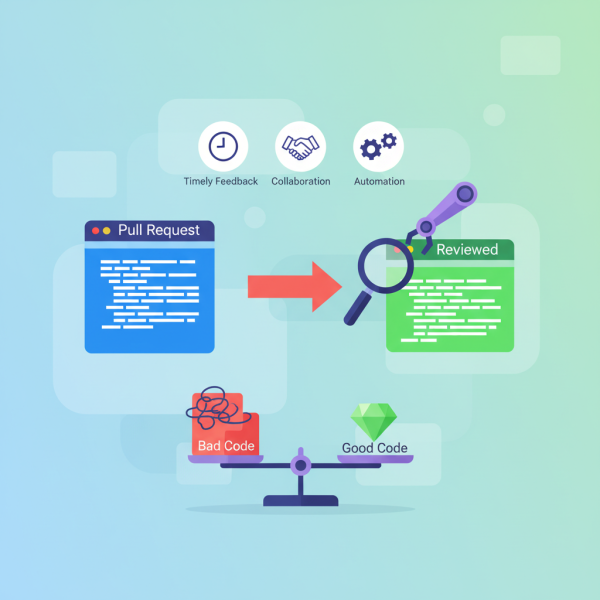
Optimizing Code Reviews and Overcoming Common Pain Points
What you'll learn
 Code Review OptimizationManaging Development WorkflowTeam Collaboration and FeedbackImproving Code Quality
The Indispensable Role of Code Reviews
Code reviews are a cornerstone of modern software development, serving as a critical gatekeeper for quality, a powerful tool for knowledge transfer, and a vital mechanism for identifying defects early. When implemented effectively, they elevate code quality, enforce best practices, and foster a collaborative environment. However, when poorly managed or executed, code reviews can quickly become a source of frustration, bottlenecks, and resentment, hindering productivity and team morale. For Software Engineering Managers, understanding and mitigating these common pain points is crucial to ensuring a healthy and efficient development pipeline.
Common Pain Points in Code Review
Even with the best intentions, several recurring issues can plague the code review process. Recognizing these challenges is the first step toward addressing them effectively.
- Lengthy Pull Requests (PRs): Large PRs are daunting to review, making it difficult for reviewers to grasp the full context, track changes, and provide thorough feedback. This often leads to superficial reviews or significant delays.
- Delayed Reviews: When reviews take too long, developers are blocked, merge conflicts proliferate, and the overall development velocity suffers. This can be due to a lack of dedicated review time, reviewer overload, or unclear expectations.
- Subjective Feedback and Nitpicking: Reviews can devolve into arguments over personal preferences or minor stylistic issues, distracting from more significant architectural or logical concerns. This can frustrate authors and make the review feel unhelpful.
- Lack of Clear Guidelines: Without established best practices or a clear definition of what constitutes a good review, feedback can be inconsistent, leading to confusion and inconsistent code quality across the codebase.
- Reviewer Burnout: Some team members may bear a disproportionate share of the review load, leading to exhaustion, rushed reviews, and a decline in the quality of their feedback.
- Defensive Developers: Authors can sometimes perceive constructive criticism as a personal attack, leading to defensive reactions that impede productive discussion and learning.
- Context Switching Overhead: Reviewing code requires deep focus and understanding of a different code path, which can be disruptive for developers already engaged in complex tasks, leading to efficiency losses.
- Lack of Automation: Relying solely on manual reviews for stylistic issues or basic code smells consumes valuable human time that could be better spent on more complex logic or architectural considerations.
Strategies for a Healthier Code Review Process
Addressing these pain points requires a proactive and intentional approach. Engineering managers can implement several strategies to streamline the process and make it more effective and less burdensome for their teams.
Encourage Small, Focused Pull Requests
One of the most impactful changes is to promote smaller, more focused PRs. Encourage developers to break down larger features into atomic, self-contained changes that are easier to review. This reduces cognitive load, speeds up the review process, and minimizes the risk of introducing significant defects.
Set Clear Expectations and Service Level Agreements (SLAs)
Establish explicit guidelines for review turnaround times. For instance, a policy might state that all non-urgent PRs should receive initial feedback within 24 business hours. Communicate these expectations clearly and ensure that the team understands the importance of timely reviews for overall project velocity.
Develop Comprehensive Review Guidelines and Checklists
Create a documented set of guidelines outlining what reviewers should look for, such as security vulnerabilities, performance issues, test coverage, readability, and adherence to architectural patterns. A simple checklist can help reviewers ensure consistency and focus on high-impact areas, preventing subjective nitpicking.
Foster a Culture of Constructive Feedback and Empathy
Train your team on how to give and receive feedback effectively. Emphasize that code reviews are about the code, not the person. Encourage reviewers to offer suggestions rather than demands and to provide context for their recommendations. Similarly, help authors understand that feedback is an opportunity for learning and improvement.
Implement Reviewer Rotation and Load Balancing
Actively monitor and manage the review load across the team. Implement a system for rotating reviewers, perhaps through a round-robin assignment tool or a policy that encourages different team members to review each other's code. This prevents burnout and cross-pollinates knowledge.
Leverage Automation for Early Feedback
Automate as many checks as possible using linters, formatters, static analysis tools, and comprehensive CI/CD pipelines. These tools can catch common errors, style violations, and potential bugs automatically, allowing human reviewers to focus on architectural decisions, business logic, and complex interactions.
Provide Training and Mentorship for Reviewers
Not everyone is naturally adept at code reviewing. Offer workshops or mentorship opportunities to help team members improve their review skills, learn how to identify critical issues, and communicate feedback effectively. This investment pays dividends in review quality and team expertise.
Consider Pair Programming
While not a direct replacement, pair programming can significantly reduce the overhead of traditional code reviews by catching issues and discussing design decisions in real-time. It can lead to higher quality code from the outset and foster continuous knowledge sharing.
Summary
Code reviews are an essential practice for maintaining high-quality software, but they are not without their challenges. Common pain points like large pull requests, delayed feedback, and subjective comments can impede progress and foster frustration. By implementing strategic solutions such as encouraging small, focused changes, setting clear expectations, leveraging automation, and fostering a culture of constructive feedback, Software Engineering Managers can transform their code review process from a bottleneck into a powerful accelerator for their development team. A well-managed code review process ultimately leads to better code, more knowledgeable engineers, and a more productive and harmonious work environment.
Comprehension questions
 What are three common pain points experienced during the code review process?How can engineering managers encourage smaller, more focused pull requests?What role does automation play in alleviating code review pain points?Describe two strategies for fostering a culture of constructive feedback during code reviews.