
Waterfall Model: Pros and Cons in Software Engineering
What you'll learn
 Waterfall MethodologyProject PhasesAdvantages of WaterfallDisadvantages of Waterfall
Numerous project management methodologies vie for adoption, each with its own philosophy and practical implications. Among these, the Waterfall model stands out as one of the earliest and most traditional approaches. For software engineering managers, a thorough understanding of Waterfall—what it entails, its strengths, and its limitations—is crucial for making informed decisions about project execution strategies. This article will demystify the Waterfall model, examining its core principles, detailing its sequential phases, and dissecting its advantages and disadvantages in modern software engineering contexts.
What is Waterfall in Project Planning?
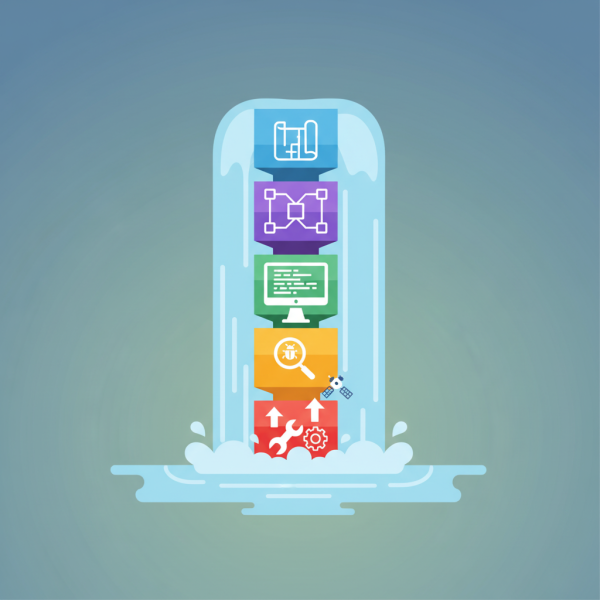
The Waterfall model is a linear-sequential software development lifecycle (SDLC) model. It is characterized by its distinct, non-overlapping phases that flow progressively downwards, much like a waterfall. Each phase must be completed and reviewed before the next phase can begin, and there is typically no turning back to a previous stage once it's finished. This rigid, disciplined approach emphasizes comprehensive documentation and planning upfront, aiming to minimize ambiguities and scope creep once development is underway.
Originating from manufacturing and construction, the Waterfall model was adapted for software development in the 1970s. Its structured nature appeals to projects with well-defined requirements and a low expectation of change throughout the project lifecycle. The model's inherent simplicity in process flow makes it easy to understand and manage, especially for teams new to formal project methodologies.
The Phases of Waterfall Development
The Waterfall model typically comprises six distinct phases, each with specific objectives and deliverables:
- Requirements Gathering and Analysis: This initial phase involves thoroughly understanding and documenting all customer requirements for the software. This includes functional and non-functional requirements. The outcome is often a detailed Software Requirements Specification (SRS) document, which serves as the blueprint for the entire project.
- System Design: Based on the SRS, the system design phase focuses on defining the overall architecture of the software. This includes designing the system's structure, database, user interfaces, and external interfaces. The output is a Design Document Specification (DDS) or similar, outlining how the system will be built to meet the specified requirements.
- Implementation (Coding): In this phase, developers write the actual code based on the design specifications. Each module is developed, integrated, and unit tested. This is where the theoretical design is transformed into functional components.
- Testing: Once the code is written, it undergoes rigorous testing to identify and fix defects. This includes unit testing, integration testing, system testing, and acceptance testing. The goal is to ensure the software meets the requirements specified in the SRS and functions correctly and reliably.
- Deployment (Installation): After successful testing, the software is deployed to the production environment. This phase involves releasing the product to the end-users, which might include installation, configuration, and user training.
- Maintenance: The final phase involves ongoing support for the software after its release. This includes fixing bugs, implementing enhancements, and adapting the software to new environments or user needs. Maintenance ensures the software remains operational and valuable over time.
Pros of the Waterfall Approach
Despite its age, the Waterfall model offers several compelling advantages, particularly for certain types of projects:
- Clear Structure and Documentation: Each phase has defined deliverables and review processes, leading to extensive and well-organized documentation. This makes it easier for new team members to onboard and provides a clear audit trail.
- Predictability and Control: The upfront planning and sequential nature provide strong control over the project timeline and budget, assuming requirements remain stable. Progress is easily measurable as each phase completion marks a significant milestone.
- Ease of Management: Its straightforward, linear nature makes it simple to manage, especially for less experienced project managers or teams. Resources can be allocated to specific phases without significant overlap.
- Stable Requirements: It works exceptionally well for projects where requirements are very stable, well-understood, and unlikely to change significantly throughout the development cycle. Government projects or projects with strict regulatory compliance often fall into this category.
- Higher Quality for Fixed Scope: With a thorough understanding of requirements from the start, there's a strong emphasis on getting things right the first time, potentially leading to higher quality in the final product for a fixed scope.
Cons of the Waterfall Approach
While structured, the Waterfall model also presents significant drawbacks, especially in modern, rapidly evolving software environments:
- Inflexibility to Change: Its most significant disadvantage is its rigidity. Changes requested late in the project can be very difficult, expensive, and time-consuming to implement, as they often require revisiting earlier, "completed" phases.
- Late Discovery of Issues: Testing occurs only towards the end of the development cycle. This means critical bugs or design flaws might only be discovered very late, when they are much harder and more costly to rectify.
- Customer Involvement is Limited: Customer feedback is primarily solicited during the initial requirements phase and then often not again until the final product is delivered. This can lead to a disconnect between what the customer truly needs and what is eventually built.
- Long Project Lifecycles: The sequential nature means that a working version of the software is only available late in the project. This can delay time-to-market and reduce opportunities for early user feedback.
- Risk of Misinterpretation of Requirements: If requirements are not perfectly captured and understood upfront, the entire project can be built upon a faulty foundation, leading to a product that doesn't meet actual user needs.
- Resource Idleness: Teams might be idle waiting for the preceding phase to complete, leading to inefficient resource utilization, especially if specialized skills are only needed for specific phases.
When is Waterfall Most Effective?
Despite the rise of agile methodologies, Waterfall still holds its ground in specific contexts:
It's best suited for projects where requirements are extremely clear, stable, and unlikely to change. This includes legacy system enhancements where the existing architecture is well-understood, or projects within highly regulated industries (like medical devices or aerospace) where extensive upfront documentation and rigid adherence to a plan are mandated. Small, straightforward projects with well-defined scopes and minimal ambiguity can also benefit from its simplicity. Projects where a formal, documented process is paramount for compliance or contractual obligations also find Waterfall an appropriate choice.
Conclusion
The Waterfall model, with its linear and sequential approach to software development, offers a structured and disciplined framework for project management. While it provides excellent control, clear documentation, and predictability, its inherent rigidity and limited adaptability to change pose significant challenges in today's fast-paced technological landscape. Software engineering managers must critically assess project characteristics, including requirement stability, team familiarity with the domain, and the need for early customer feedback, before committing to a Waterfall approach. Understanding both its profound strengths and notable weaknesses allows for judicious application, ensuring the selection of a methodology that aligns best with project goals and organizational capabilities.
Comprehension questions
 What are the six distinct phases of the Waterfall development model?Name two significant advantages of using the Waterfall approach for a software project.Identify two primary drawbacks or challenges associated with the Waterfall model.In what types of projects or environments is the Waterfall model considered most effective?