Tailoring Messages for Diverse Stakeholders
- -->> 2. Tailoring Messages for Diverse Stakeholders
What you'll learn
 Audience UnderstandingMessage CustomizationStakeholder EngagementCommunication Strategies
True communication mastery goes beyond simply conveying information; it involves understanding who your audience is and tailoring your message specifically to their needs, interests, and level of understanding. This approach, known as audience-centric communication, is a critical skill for navigating diverse professional environments and ensuring your message resonates, whether you're addressing a room full of highly technical engineers or a panel of strategic executives.
Why Audience-Centric Communication Matters
The impact of misaligned communication can range from simple misunderstandings to significant project delays and missed opportunities. When you speak directly to your audience's world, you not only increase the likelihood of your message being understood but also build trust, foster collaboration, and drive action. It transforms passive listening into active engagement, making every interaction more productive and meaningful.
Understanding Your Audience
The first step in tailoring your message is to thoroughly understand who you are speaking to. This involves more than just knowing their job title; it requires delving into their perspective and priorities. Consider these aspects:
- Roles and Responsibilities: What is their primary function? What problems are they trying to solve?
- Goals and Priorities: What outcomes are most important to them? What motivates their decisions?
- Technical Acumen: What is their level of technical understanding regarding your topic? Are they experts, generalists, or novices?
- Communication Style Preferences: Do they prefer high-level summaries or detailed reports? Are they analytical, visual, or narrative-driven?
- Current Challenges: What issues are they currently facing that your message might address or impact?
By gathering this intelligence, you can anticipate their questions, address potential concerns, and frame your message in a way that is immediately relevant to them.
Tailoring Your Message for Different Stakeholders
Once you understand your audience, you can adapt your communication style and content accordingly. Let's explore how to approach different common stakeholder groups:
Communicating with Engineers
When presenting to engineers, focus on precision, data, and logic. They often value technical depth and want to understand the 'how' and 'why.' Avoid jargon unrelated to their field and be prepared to dive into specifics. Present solutions, methodologies, and potential challenges with supporting evidence. Quantifiable metrics and clear, logical progressions are highly effective.
Communicating with Executives
Executives operate at a strategic level. Their primary concerns are typically high-level impact, return on investment (ROI), strategic alignment, risks, and opportunities. They need concise, big-picture summaries. Start with the conclusion or key takeaway, then provide supporting information that illustrates business value. Avoid getting bogged down in minute technical details unless specifically requested. Time is often their most valuable commodity, so be succinct and impactful.
Communicating with Sales and Marketing Teams
These teams are focused on customers, market positioning, and revenue generation. Your message should highlight customer benefits, competitive advantages, and how your information or project contributes to their ability to sell or promote effectively. Use language that resonates with market trends and consumer needs. Emphasize value proposition and market potential.
Communicating with Cross-Functional Teams
When working with diverse cross-functional teams, the challenge is to find common ground. Focus on shared objectives, interdependencies, and how each team's contribution fits into the larger picture. Promote collaboration and transparency. Use clear, accessible language that avoids silo-specific jargon, ensuring everyone feels included and understands their role in achieving the collective goal.
Key Principles for Effective Tailoring
Regardless of the specific audience, certain principles underpin successful audience-centric communication:
- Empathy: Put yourself in their shoes. What do they need to hear, and how do they need to hear it?
- Clarity and Conciseness: Remove unnecessary complexity. Get straight to the point using clear, unambiguous language.
- Relevant Context: Provide just enough background information for your audience to understand the significance of your message, but avoid overwhelming them.
- Visual Aids: Use charts, graphs, and diagrams to simplify complex information and enhance understanding, especially for visual learners.
- Active Listening: Pay close attention to their questions and feedback. This helps you gauge their understanding and adjust your approach in real-time.
Practical Strategies for Implementation
Integrating audience-centric communication into your daily practice requires conscious effort:
- Do Your Homework: Before any important communication, research your audience. LinkedIn profiles, team charters, and past meeting notes can provide valuable insights.
- Practice Active Listening: During conversations, listen more than you speak. Ask clarifying questions to ensure you truly understand their perspective and concerns.
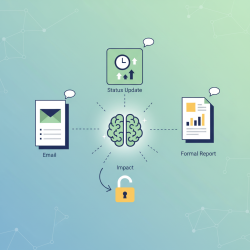
- Choose the Right Medium: A detailed report might be best for engineers, while a quick presentation with key takeaways suits executives. Consider email, in-person meetings, or collaborative tools based on effectiveness.
- Solicit Feedback: After communicating, ask for feedback. "Was that clear?" "Did that address your concerns?" This helps you refine your approach for future interactions.
Summary
Audience-centric communication is a vital skill that empowers professionals to connect more effectively with diverse stakeholders. By diligently understanding your audience's roles, goals, technical understanding, and communication preferences, you can tailor your message to resonate with their specific needs. Whether simplifying complex data for executives or providing detailed technical insights for engineers, the ability to adapt your communication ensures greater clarity, fosters stronger relationships, and ultimately drives successful outcomes across all organizational levels. Embracing this approach transforms communication from a simple exchange of information into a powerful tool for influence and collaboration.
Comprehension questions
 Why is understanding your audience's technical proficiency important in audience-centric communication?What key aspects should be emphasized when communicating with executives, and how does this differ from communicating with engineers?Name three key principles for effective message tailoring mentioned in the article.How can active listening contribute to better audience-centric communication and help refine future interactions?
Review Quiz
Next Lesson

Course Contents : Managerial Communication to Elevate Your Written Presence
- >> 2.
 Tailoring Messages for Diverse Stakeholders