
Emotional Intelligence: The Unsung Pillar of Software Development Management
What you'll learn
 The Core Components of Emotional IntelligenceWhy EQ is Essential for Software Development ManagersDeveloping Your Emotional Intelligence
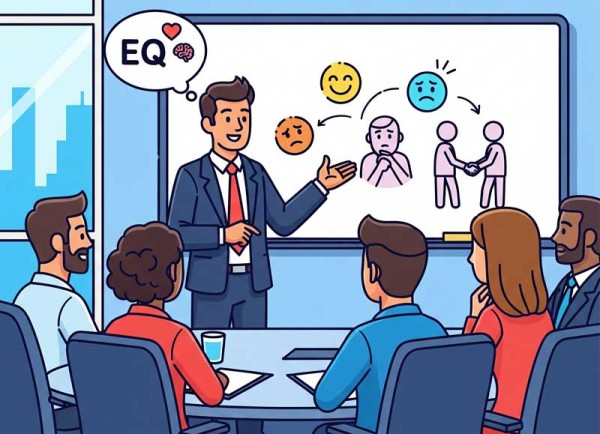
Technical expertise is often seen as the cornerstone of success. While critical for individual contributors, for those ascending to leadership roles, particularly Software Development Managers, another intelligence becomes paramount: emotional intelligence. Emotional intelligence, often referred to as EQ, is the ability to understand, use, and manage your own emotions in positive ways to relieve stress, communicate effectively, empathize with others, overcome challenges, and defuse conflict. For a manager overseeing complex projects and diverse teams, EQ is not merely a soft skill; it's a foundational competency that directly impacts team performance, project success, and overall organizational health.
This article will delve into what emotional intelligence entails, break down its core components, and explain why it is an indispensable asset for any Software Development Manager aiming to lead with impact and foster a thriving engineering culture.
The Core Components of Emotional Intelligence
Daniel Goleman, a leading researcher in the field, popularized a model of emotional intelligence that includes five key components. Understanding these elements is the first step toward cultivating a stronger EQ.
- Self-Awareness: This is the ability to recognize and understand your own moods, emotions, and drives, as well as their effect on others. For a manager, self-awareness means knowing your strengths and weaknesses, understanding your triggers, and acknowledging how your current emotional state might influence your decision-making or interaction with team members. It’s about honest self-assessment.
- Self-Regulation: Building on self-awareness, self-regulation is the ability to control or redirect disruptive impulses and moods, and the propensity to suspend judgment—to think before acting. In the high-pressure environment of software development, a manager with strong self-regulation can remain calm during a critical bug fix, handle project delays without panicking, and maintain a consistent demeanor, instilling confidence in their team.
- Motivation: This component refers to a passion for work that goes beyond money or status, a propensity to pursue goals with energy and persistence, and optimism even in the face of setbacks. Emotionally intelligent managers are driven by an intrinsic desire to achieve and inspire their teams to reach for ambitious goals, fostering a positive and resilient work environment.
- Empathy: Empathy is the ability to understand the emotional makeup of other people and treat people according to their emotional reactions. For a Software Development Manager, empathy means listening actively to team members' concerns, understanding their perspectives during disagreements, recognizing signs of burnout, and offering support. It's crucial for building trust and strong working relationships.
- Social Skills: This refers to proficiency in managing relationships and building networks, and an ability to find common ground and build rapport. Managers with strong social skills are adept at communication, conflict resolution, collaboration, and influencing others. They can effectively articulate vision, mediate disputes between team members, and foster a cohesive team environment.
Why EQ is Essential for Software Development Managers
While technical skills get you a seat at the table, emotional intelligence helps you effectively lead the room. For Software Development Managers, EQ profoundly impacts several critical areas:
Enhanced Team Cohesion and Collaboration
An emotionally intelligent manager creates an environment where team members feel heard, valued, and safe to express ideas and concerns. By demonstrating empathy and strong social skills, managers can foster psychological safety, which is paramount for innovative problem-solving and efficient collaboration within engineering teams. This leads to reduced interpersonal friction and more robust team bonds.
Effective Conflict Resolution
Disagreements are inevitable in any team, especially in complex technical projects. An EQ-savvy manager can navigate these conflicts skillfully. Their self-regulation allows them to remain impartial, their empathy helps them understand all perspectives, and their social skills enable them to facilitate constructive dialogue and find mutually agreeable solutions, preventing minor issues from escalating into significant roadblocks.
Clear and Empathetic Communication
Communicating complex technical information, project updates, or challenging feedback requires more than just clarity. It requires an understanding of how the message will be received. Managers with high EQ can tailor their communication style to suit individual team members, provide constructive criticism that encourages growth rather than resentment, and articulate organizational goals in an inspiring and relatable manner.
Navigating Change and Uncertainty
The tech industry is characterized by constant change—new technologies, shifting market demands, evolving project requirements. An emotionally intelligent manager is better equipped to guide their team through these transitions. Their self-motivation helps them remain optimistic, their self-regulation keeps them steady, and their empathy allows them to address team members' anxieties, providing stability and clear direction amidst uncertainty.
Mentorship and Professional Growth
A significant part of a manager's role is to support the professional growth of their team. High EQ enables managers to identify individual strengths and weaknesses, understand career aspirations, and provide tailored mentorship. By being empathetic and socially skilled, they can effectively coach, motivate, and empower their engineers to achieve their full potential, contributing to both individual and organizational success.
Developing Your Emotional Intelligence
The good news is that emotional intelligence is not a fixed trait; it can be developed and strengthened over time with conscious effort. Here are a few strategies:
- Practice Self-Reflection: Regularly take time to reflect on your emotions, reactions, and their impact. Journaling, mindfulness, or simply pausing before reacting can significantly enhance self-awareness.
- Seek Feedback: Actively solicit feedback from peers, direct reports, and superiors about your leadership style and emotional responses. Be open to constructive criticism and use it as a learning opportunity.
- Develop Active Listening: When conversing, focus entirely on understanding the other person's perspective, not just waiting for your turn to speak. Ask clarifying questions and summarize what you've heard to ensure understanding.
- Observe and Analyze: Pay attention to the emotions of those around you. How do they react to different situations? What might be motivating their behavior? This builds empathy.
- Manage Stress Effectively: Develop healthy coping mechanisms for stress. When stressed, our emotional intelligence often diminishes. Techniques like exercise, meditation, or spending time in nature can help maintain emotional balance.
Summary: The Indispensable Leader
In conclusion, while technical acumen will always be essential in software development, emotional intelligence is the distinguishing factor for truly effective Software Development Managers. It empowers leaders to build cohesive teams, resolve conflicts gracefully, communicate with clarity and impact, navigate change with resilience, and foster environments where engineers can thrive. Cultivating EQ is an ongoing journey, but the investment yields immense returns, not just in project success, but in creating a supportive, productive, and human-centric engineering culture.
Comprehension questions
 What are the five key components of emotional intelligence as described in the article?How does self-regulation specifically benefit a software development manager in high-pressure situations?Why is empathy considered a crucial component for fostering team cohesion and effective mentorship?List three practical strategies a software development manager can employ to enhance their emotional intelligence.