Effective Stakeholder Communication and Tailoring Your Message
- -->> 5. Effective Stakeholder Communication and Tailoring Your Message
What you'll learn
 Understanding Stakeholder NeedsTailoring Communication StylesCrafting Relevant MessagesContinuous Engagement
Effective stakeholder communication is not merely about conveying information; it's about building bridges of understanding, fostering collaboration, and securing alignment to achieve shared objectives. In today's complex organizational landscapes, projects and initiatives rarely exist in silos. They touch upon numerous individuals and groups, each with their own perspectives, priorities, and levels of influence. Mastering the art of tailoring your communication style and content to resonate with this diverse audience, from high-level executives to indispensable cross-functional partners, is a critical skill for any professional aiming for success and impact. It ensures that messages are not only heard but also understood, acted upon, and contribute positively to project outcomes and organizational goals.
Understanding Your Diverse Stakeholders
The first step towards effective communication is to thoroughly understand who your stakeholders are. This goes beyond just knowing their names or titles. It involves delving into their roles, responsibilities, interests, influence, and their potential impact on your project or initiative. A stakeholder analysis map can be an invaluable tool here, categorizing individuals or groups based on their power and interest levels. This foundational understanding dictates how and what you should communicate.
For instance, an executive sponsor will likely be interested in high-level strategic alignment, return on investment, and potential risks, whereas a team lead in a different department might be more concerned with operational impacts, resource allocation, and specific implementation details. Failing to differentiate these needs can lead to disengagement, confusion, or even resistance. Taking the time to perform this analysis upfront saves considerable effort and prevents miscommunication down the line.
Tailoring Communication Styles and Channels
Once you understand your audience, the next crucial step is to adapt your communication style and select the appropriate channels. Different stakeholders prefer and respond best to different approaches. Some might appreciate direct, data-driven reports, while others might prefer a more collaborative, conversational style. The medium also matters significantly.
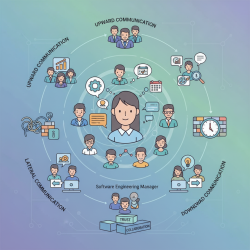
- Executives: Often prefer concise summaries, executive briefs, dashboards, and high-level presentations focusing on strategic impact, financial implications, and key decisions required. Face-to-face meetings or formal reports are often effective.
- Cross-functional Partners: May benefit from more detailed project updates, progress reports, collaborative workshops, and regular check-ins. Email, team collaboration platforms, and informal meetings can be suitable for day-to-day interactions.
- Team Members: Typically require detailed instructions, regular stand-ups, technical documentation, and clear explanations of their roles and responsibilities. Instant messaging, project management tools, and direct verbal communication are often best.
The key is flexibility. Avoid a one-size-fits-all approach. Be prepared to adjust your vocabulary, tone, and the depth of detail based on who you are speaking to and what their role requires.
Crafting Compelling and Relevant Messages
Content is king, but relevance is paramount. Your message must not only be clear and concise but also directly address the concerns and priorities of your specific audience. This involves framing your information in a way that highlights its value and implications for them.
When communicating with executives, focus on the "what" and the "why." What is the strategic impact? Why is this important to the organization's bottom line or mission? When engaging with cross-functional partners, shift your focus to the "how" and the "when." How will this impact their team's operations? When do they need to provide input or resources? Always consider the "WIIFM" (What's In It For Me?) from the stakeholder's perspective.
Avoid jargon where possible, or explain it clearly if it's unavoidable. Use visuals like charts, graphs, and diagrams to convey complex information quickly and effectively, especially for visually oriented stakeholders or when presenting dense data. The goal is to make your message as easy to digest and act upon as possible.
Strategies for Continuous Engagement and Alignment
Effective communication is an ongoing process, not a one-time event. Regular engagement helps maintain alignment, identify potential issues early, and build trust. Establish clear communication rhythms and feedback loops with your stakeholders.
- Proactive Updates: Don't wait for problems to arise. Provide regular, planned updates on progress, milestones, and any changes to plans.
- Active Listening: Communication is a two-way street. Actively listen to stakeholder feedback, concerns, and suggestions. Demonstrate that their input is valued and considered.
- Conflict Resolution: Differences of opinion are inevitable. Address conflicts transparently and constructively. Focus on shared goals and find common ground. Facilitate discussions rather than dictating solutions.
- Building Trust: Consistency, honesty, and reliability are the cornerstones of trust. Deliver on your promises and be transparent about challenges.
By consistently engaging and demonstrating responsiveness, you can transform stakeholders from passive recipients of information into active partners in your success. This collaborative approach minimizes resistance and maximizes the chances of achieving desired outcomes.
Summary
In conclusion, mastering effective stakeholder communication is indispensable for navigating the complexities of modern projects and organizational initiatives. It begins with a deep understanding of each stakeholder's unique needs and interests, followed by the deliberate tailoring of communication styles, channels, and message content to resonate specifically with them. By crafting compelling, relevant messages and fostering continuous engagement through active listening and proactive updates, professionals can build vital trust, ensure alignment, and ultimately drive successful outcomes, transforming diverse groups into collaborative allies.
Comprehension questions
 What are the key elements to consider when conducting a stakeholder analysis, and why is it important?How should communication styles and channels be adapted for executives versus cross-functional partners?Beyond initial communication, what ongoing strategies are crucial for continuous stakeholder engagement and alignment?
Review Quiz
Next Lesson

Course Contents : Mastering Communication for Software Engineering Managers
- >> 5.
 Effective Stakeholder Communication and Tailoring Your Message