Mastering Communication in Remote and Hybrid Work Environments
- -->> 8. Mastering Communication in Remote and Hybrid Work Environments
What you'll learn
 Remote Communication StrategiesHybrid Team ConnectionDigital Collaboration ToolsOvercoming Distributed Challenges
The shift to remote and hybrid work models has profoundly reshaped the landscape of professional interaction. While offering unprecedented flexibility and access to global talent, these distributed environments introduce unique complexities to communication. Fostering strong connections and ensuring clear, efficient information flow is no longer an inherent byproduct of shared physical space; it requires deliberate strategy, conscious effort, and the intelligent application of tools. This article explores the specific challenges that arise in communicating across distances and provides actionable best practices for building truly connected and productive remote and hybrid teams.
The Evolving Landscape of Work and its Communication Demands
The global events of recent years accelerated a workplace transformation that was already underway. Companies rapidly adapted to remote operations, and many are now settling into hybrid models where some employees work from the office, others from home, and some rotate between the two. This distributed nature fundamentally alters how teams interact. Spontaneous hallway conversations, visual cues from body language, and informal coffee breaks that once facilitated quick alignment and relationship building are largely absent. Consequently, organizations must proactively design communication systems that compensate for these gaps, ensuring every team member feels informed, engaged, and understood, regardless of their physical location.
Core Communication Challenges in Distributed Teams
Remote and hybrid environments present several distinct communication hurdles that, if unaddressed, can lead to misunderstandings, reduced morale, and decreased productivity.
- Lack of Non-Verbal Cues: Text-based communication, while efficient, misses the critical nuances conveyed by facial expressions, tone of voice, and body language, often leading to misinterpretations.
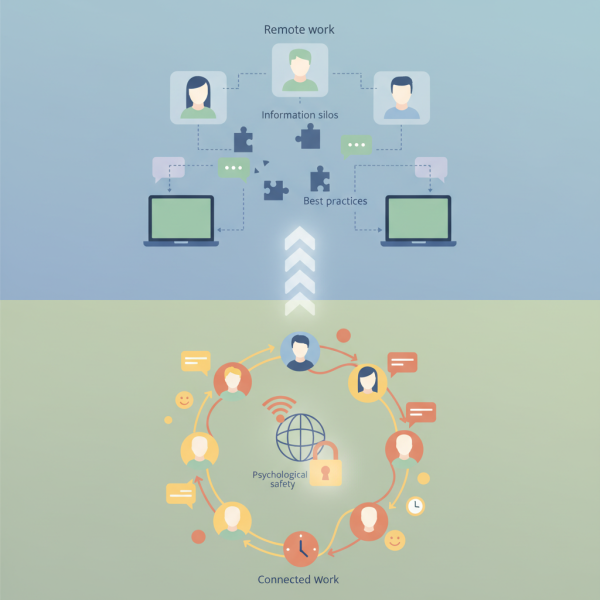
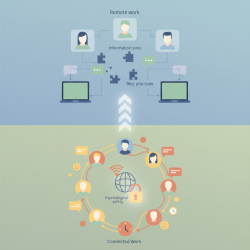
- Information Silos: Without a central physical hub, information can become fragmented, trapped within individual conversations or specific digital channels, making it difficult for everyone to stay updated.
- Meeting Fatigue: An overreliance on video calls to replicate in-person interactions can lead to exhaustion, reduced focus, and a feeling of constant surveillance.
- Time Zone Differences: Coordinating synchronous communication across multiple time zones can be challenging, often forcing some team members to participate at inconvenient hours.
- Reduced Informal Connection: The absence of casual interactions outside of structured meetings can diminish team bonding and the sense of camaraderie, which are crucial for psychological safety and trust.
- Digital Overload: The sheer volume of digital tools and notifications can overwhelm employees, making it difficult to prioritize information and maintain focus.
Best Practices for Effective Remote Communication
Overcoming these challenges requires a multifaceted approach, blending technological solutions with cultural shifts and intentional practices.
Prioritize Clarity and Documentation
In the absence of immediate clarification, written communication must be exceptionally clear, concise, and comprehensive. Document decisions, project updates, and key information thoroughly in accessible shared platforms. This ensures everyone has a single source of truth and reduces reliance on memory or repeated inquiries.
Leverage Technology Strategically
Choose and standardize a suite of communication tools designed for different purposes. Utilize instant messaging for quick queries, project management software for task tracking and updates, and video conferencing for discussions requiring visual interaction. Encourage asynchronous communication for non-urgent items to reduce meeting overload and accommodate different schedules.
Establish Regular and Intentional Touchpoints
While avoiding meeting fatigue, regular check-ins are vital. Schedule structured team meetings for alignment and problem-solving, and one-on-one sessions for individual support and feedback. Consider daily stand-ups (brief and focused) to maintain momentum. Ensure agendas are clear and outcomes are documented.
Foster Psychological Safety
Create an environment where team members feel safe to express ideas, ask questions, and admit mistakes without fear of judgment. Leaders play a crucial role by actively listening, showing empathy, and promoting an inclusive culture where every voice is heard, regardless of location.
Promote Informal Connections and Social Interaction
Deliberately carve out spaces for non-work-related interaction. This could include virtual coffee breaks, online team-building games, or dedicated chat channels for sharing hobbies and interests. These informal connections are essential for building rapport, trust, and a sense of belonging.
Building Connection in Hybrid Teams
Hybrid teams face the additional complexity of bridging the gap between those in the office and those working remotely. A key principle is to ensure equity in communication and experience. All-remote meetings, even when some are in the office, can help level the playing field. Invest in high-quality audio and video equipment for meeting rooms to ensure remote participants can see and hear clearly. Actively engage remote attendees, giving them equal opportunity to contribute and ensuring they don't feel like second-class citizens. Leaders should consciously work to prevent 'in-group/out-group' dynamics from forming between office-based and remote colleagues.
Summary
Effective communication is the bedrock of successful remote and hybrid work environments. While these models present challenges such as reduced non-verbal cues and potential information silos, they can be overcome with strategic planning and dedicated effort. By prioritizing clear documentation, leveraging technology wisely, establishing intentional touchpoints, fostering psychological safety, and promoting informal connections, organizations can cultivate a thriving culture of communication and collaboration, ensuring all team members, regardless of their location, remain connected, engaged, and productive.
Comprehension questions
 What are two primary challenges to effective communication in remote or hybrid work environments?How can organizations strategically leverage technology to enhance both synchronous and asynchronous communication?Why is fostering psychological safety particularly crucial for building strong connections within distributed teams?What is a key principle for ensuring equitable communication and experience for all team members in a hybrid work setting?
Community Poll
Next Lesson

Course Contents : Mastering Communication for Software Engineering Managers
- >> 8.
 Mastering Communication in Remote and Hybrid Work Environments