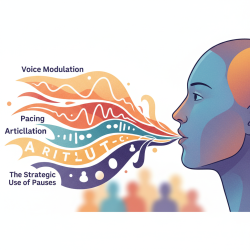
Inspiring Team Cohesion Through Public Speaking
- -->> 9. Inspiring Team Cohesion Through Public Speaking
What you'll learn
 Authentic CommunicationCelebrating Team SuccessesAligning Team GoalsFostering Feedback Culture
While various strategies contribute to team development, the often-underestimated power of public speaking stands out as a critical tool. Beyond formal presentations, effective public speaking by leaders can profoundly impact team morale, reinforce shared values, celebrate achievements, and clarify collective objectives, transforming a group of individuals into a truly unified force. It's about using your voice to connect, inspire, and drive progress, creating an environment where every team member feels valued and understood.
The Power of Authentic Communication
Public speaking in a team context isn't about grand oratorical displays; it's about authentic, clear, and consistent communication. Leaders who speak from the heart, sharing their genuine vision and challenges, build trust and rapport with their teams. This authenticity fosters a sense of psychological safety, encouraging team members to voice their ideas and concerns without fear of judgment. When a leader communicates openly, it sets a precedent for transparency across the entire team, strengthening internal relationships and collective understanding.
Authentic communication also involves active listening. While public speaking implies one-way delivery, a truly effective communicator uses speaking opportunities to invite dialogue and feedback. This might involve pausing for questions, acknowledging diverse perspectives, or even structuring sessions as interactive discussions rather than pure lectures. Such an approach transforms a monologue into a collaborative conversation, ensuring that messages resonate and are genuinely absorbed by the audience.
Celebrating Milestones and Contributions
One of the most impactful uses of public speaking within a team is the celebration of successes, both big and small. Public recognition by a leader can significantly boost morale and reinforce desired behaviors. When achievements are highlighted, individual efforts are acknowledged, and team milestones are celebrated, it creates a positive feedback loop that motivates continued excellence.
Consider these points for effective celebration:
- Specificity: Clearly articulate what was achieved and who contributed. Generic praise is less impactful than specific examples.
- Impact: Explain the significance of the achievement to the team, the organization, or its goals.
- Frequency: Don't wait for monumental successes. Regular acknowledgment of smaller wins keeps motivation high and reinforces a culture of appreciation.
- Inclusivity: Ensure that all contributors are recognized, fostering a sense of shared success and preventing feelings of oversight.
These celebratory moments, delivered through confident and appreciative public speaking, elevate individual contributions into collective triumphs, making everyone feel like a vital part of the journey.
Aligning Vision and Goals
Effective public speaking is instrumental in clearly articulating the team's vision and ensuring every member understands how their role contributes to the larger objective. Leaders must frequently reiterate the 'why' behind the work, connecting daily tasks to the overarching mission. This clarity helps prevent disengagement and ensures that efforts are directed efficiently towards common goals.
When goals are communicated clearly and passionately, team members are more likely to internalize them as their own. Public speaking provides the platform to:
- Define the Vision: Paint a compelling picture of the future and the team's role in achieving it.
- Set Clear Objectives: Break down complex goals into understandable, actionable steps.
- Reinforce Values: Connect the team's work to the core values and principles of the organization.
- Address Challenges: Acknowledge potential obstacles and articulate strategies for overcoming them, fostering resilience.
Through consistent and persuasive communication, a leader can transform abstract goals into tangible, inspiring missions, fostering a collective drive toward success.
Building a Culture of Feedback and Growth
Public speaking also plays a vital role in establishing and maintaining a culture of continuous feedback and growth. Leaders can use team meetings or dedicated sessions to share constructive feedback, not just individually, but also collectively when addressing broader trends or areas for improvement. This requires sensitivity and a focus on solutions rather than blame, positioning feedback as an opportunity for development rather than criticism.
When a leader models proactive feedback, it encourages team members to also provide constructive input to each other. This open exchange of ideas and observations leads to more innovative solutions, better problem-solving, and a more adaptable team. Public speaking can frame these discussions in a positive, forward-looking manner, reinforcing the idea that growth is a shared responsibility and an ongoing journey.
Summary
In essence, public speaking is far more than just delivering information; it is a strategic leadership tool for cultivating an engaged and effective team. By embracing authentic communication, celebrating successes, consistently aligning the team with core visions and goals, and fostering a culture of feedback, leaders can leverage their voice to build stronger team cohesion, ignite motivation, and drive exceptional collective outcomes. The ability to speak persuasively and genuinely is a cornerstone of inspiring leadership, transforming individual efforts into shared triumphs and propelling the team toward its highest potential.
Comprehension questions
 How does authentic communication in public speaking contribute to psychological safety within a team?What are four key considerations for leaders when using public speaking to celebrate team milestones and contributions?In what ways can a leader's public speaking help align a team with its vision and goals?How does public speaking by a leader influence the development of a feedback and growth culture within a team?
Review Quiz
Next Lesson

Course Contents : Public Speaking for Engineering Managers
- >> 9.
 Inspiring Team Cohesion Through Public Speaking