Mastering Audience Engagement During Presentations
- -->> 7. Mastering Audience Engagement During Presentations
What you'll learn
 Audience ParticipationQuestion HandlingAttention MaintenancePresentation Preparation
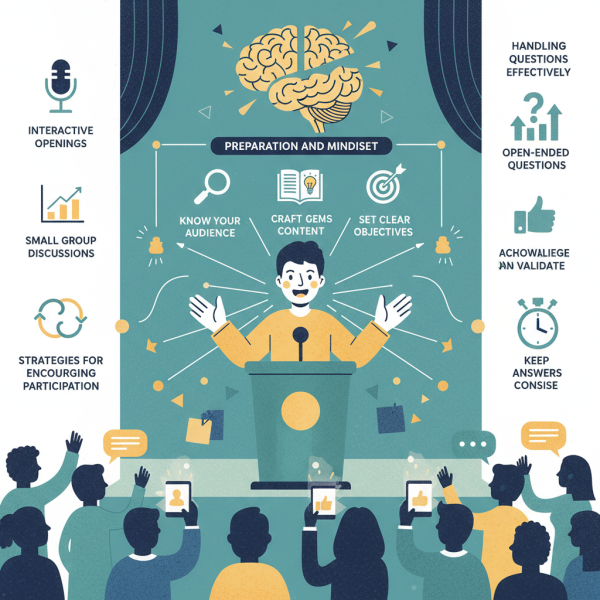
Preparation and Mindset
Engaging your audience is the cornerstone of any successful presentation, workshop, or talk. It transforms a monologue into a dialogue, making your message more memorable, impactful, and enjoyable for everyone involved. A truly engaged audience is one that feels connected to the content and the speaker, actively participates, and retains the information long after the event concludes. However, achieving this level of engagement requires more than just delivering information; it demands strategic planning, dynamic delivery, and a readiness to adapt. This article will explore a range of practical strategies designed to encourage active participation, skillfully handle audience questions, and maintain attention from your opening remarks to your final summary.
Before you even step in front of your audience, the groundwork for engagement is laid through meticulous preparation. Understanding your content is fundamental, but understanding your audience is equally, if not more, critical.
Know Your Audience: Research their demographics, prior knowledge, interests, and their reasons for attending. Tailoring your examples, language, and the depth of your content to their specific needs is the first step in making your talk relevant and captivating. A presentation that speaks directly to their experiences will inherently be more engaging.
Craft Compelling Content: Ensure your message is clear, concise, and structured logically. Use anecdotes, real-world examples, and case studies to illustrate complex points. People connect with stories and practical applications, not just abstract facts. A well-structured narrative arc can inherently draw an audience in.
Set Clear Objectives: What do you want your audience to know, feel, or do after your talk? Defining these objectives will help you design activities and questions that guide them towards these outcomes, giving your presentation a clear purpose that resonates with attendees.
Strategies for Encouraging Participation
Active participation is a powerful indicator of engagement. Moving beyond passive listening, here are several techniques to invite your audience into the conversation.
- Interactive Openings: Start with a question, a short poll, or a provocative statement. "By a show of hands, how many of you have ever felt...?" or "What's the one word that comes to mind when you hear...?" These immediate calls to action break the ice and signal that interaction is welcome.
- Polling and Surveys: Utilize digital tools (like Mentimeter, Slido, or even simple hand raises) to gather real-time feedback or opinions. Displaying results instantly can spark discussion and show the audience where they stand in relation to others.
- Small Group Discussions: For longer sessions, break the audience into small groups (2-4 people) to discuss a specific question or scenario for a few minutes. This lowers the barrier to participation and allows more voices to be heard, followed by a brief share-out to the larger group.
- Call-and-Response Techniques: Ask rhetorical questions and encourage quick, brief answers. For example, "Who's excited about these new strategies?" followed by applause or verbal affirmation.
- Open-Ended Questions: Instead of "Do you understand?", ask "What's one key takeaway you've had so far?" or "How might this apply to your own work?" These questions require more thought and yield richer responses.
- Visual Aids that Prompt Interaction: Design slides or visuals that include questions, incomplete sentences for the audience to finish, or prompts for discussion rather than just text.
Handling Questions Effectively
Questions are a presenter's best friend, indicating interest and understanding. Handling them well can significantly boost engagement and clarify your message.
Anticipate Common Questions: During your preparation, consider what questions might arise from your content. Prepare concise, clear answers for these, which builds confidence and reduces hesitation.
Create a Q&A Segment: Clearly designate time for questions, either at the end or at specific intervals throughout your talk. Inform the audience of this plan upfront.
Repeat Questions for Clarity: Always repeat or rephrase an audience member's question before answering. This ensures everyone in the room hears and understands the question, even if the original speaker was soft-spoken, and it gives you a moment to formulate your thoughts.
Acknowledge and Validate: Thank the person for their question. Even if the question is challenging, acknowledge its validity or perspective. For instance, "That's an excellent question, and one many people wonder about."
Keep Answers Concise: Be direct and to the point. If a question is too complex for a quick answer, offer to discuss it further offline. Avoid rambling or getting sidetracked.
"Parking Lot" for Complex Questions: If a question is off-topic, too detailed for the time allotted, or requires more research, suggest putting it in a "parking lot" for follow-up. This respects the questioner while maintaining the flow of your presentation.
Maintaining Attention Throughout Your Talk
Even with great content and interaction, attention can wane. Here’s how to keep your audience mentally present and engaged.
Vary Your Delivery: Monotony is the enemy of attention. Change your vocal tone, pitch, and pace. Emphasize key points with a pause or a change in volume. Dynamic delivery keeps listeners on their toes.
Storytelling and Anecdotes: We are wired for stories. Weave personal anecdotes, client success stories, or historical tales into your presentation. Stories make information relatable, memorable, and much more entertaining than dry facts.
Movement and Gestures: Use the stage or presentation area purposefully. Move to different parts of the room to address different sections of the audience. Use natural, open gestures to reinforce your points and convey enthusiasm. Body language is a powerful non-verbal communicator of engagement.
Pacing and Pauses: Don't rush through your material. Strategic pauses allow the audience to process information, absorb key messages, and even anticipate what's coming next. A well-placed pause can build suspense or emphasize a critical point.
Visual Variety: Beyond just text, use high-quality images, short video clips, infographics, or live demonstrations. Break up long stretches of talking with different types of visual input to refresh the audience's focus. Ensure visuals are clear, relevant, and not overcrowded.
Breaks for Longer Sessions: For presentations exceeding 60-90 minutes, scheduled short breaks are essential. They allow people to stretch, refresh, and return with renewed focus, preventing cognitive overload and disengagement.
Summary
Engaging your audience is an art and a science, requiring thoughtful preparation, proactive interaction strategies, and skilled management of dynamics throughout your presentation. By understanding your audience deeply, crafting compelling content, and employing interactive techniques like polls and group discussions, you can encourage participation from the outset. Effectively handling questions, by repeating them, acknowledging the questioner, and providing concise answers, reinforces an open and respectful environment. Furthermore, maintaining attention through varied delivery, powerful storytelling, purposeful movement, and strategic use of visuals ensures your message remains impactful. Implementing these strategies will transform your talks into dynamic, memorable experiences where your audience doesn't just listen, but truly participates and connects with your message.
Comprehension questions
 Why is understanding your audience crucial for effective engagement?Name three specific techniques for encouraging active audience participation during a talk.What are two recommended strategies for effectively handling audience questions?How can a presenter maintain audience attention throughout a longer presentation?
Review Quiz
Next Lesson

Course Contents : Public Speaking for Engineering Managers
- >> 7.
 Mastering Audience Engagement During Presentations