Optimizing Efficiency in Engineering Teams
- -->> 1. Optimizing Efficiency in Engineering Teams
What you'll learn
 Meeting CostsMeeting PitfallsMeeting StrategiesMeeting Culture
Meetings are a fundamental part of organizational life, serving as crucial forums for collaboration, decision-making, and information exchange. However, for many engineering teams, they often become a source of frustration and inefficiency rather than productivity. The true cost of ineffective meetings extends far beyond the duration of the gathering itself, impacting budgets, project timelines, and team morale. This article delves into the substantial hidden costs associated with poorly managed meetings and highlights common pitfalls prevalent in engineering environments, while also offering practical strategies to transform meeting culture into a driver of efficiency and innovation.
The Hidden Costs of Ineffective Meetings
The immediate calculation of meeting costs often overlooks several critical factors. Beyond the obvious expenditure of time, the financial, opportunity, and morale costs associated with unproductive meetings accumulate rapidly, creating a significant drain on resources.
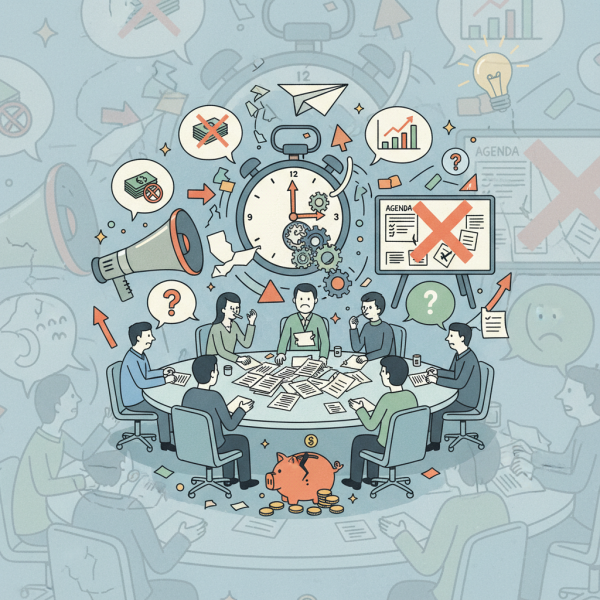
Financial Costs: Every minute spent in a meeting represents a financial outlay. When multiple high-salaried engineers attend a meeting that lacks focus or clear outcomes, the combined hourly rate quickly escalates into a substantial sum. A one-hour meeting with five engineers, each earning a competitive salary, can easily represent hundreds of dollars in direct payroll costs. If these meetings are frequent and unproductive, the annual expenditure can run into tens of thousands, or even hundreds of thousands, of dollars for an organization.
Opportunity Costs: Perhaps more insidious than the direct financial cost is the opportunity cost. Time spent in an ineffective meeting is time not spent on critical engineering tasks such as coding, designing, debugging, architecting solutions, or innovating. This lost productivity directly impacts project delivery, delays feature development, and stifles creativity. The ripple effect can lead to missed deadlines, increased technical debt, and a reduced capacity for strategic work, ultimately hindering the team's ability to achieve its core objectives.
Morale and Engagement Costs: Persistent exposure to poorly organized and unproductive meetings can severely erode team morale. Engineers value problem-solving and tangible output. When they perceive their time as wasted in aimless discussions, it leads to frustration, disengagement, and a sense of helplessness. This can contribute to burnout, reduced job satisfaction, and even higher attrition rates, making it harder to retain valuable talent. A demoralized team is inherently less productive and less innovative.
Common Pitfalls in Engineering Team Meetings
Engineering teams, despite their analytical nature, often fall prey to several recurring issues that undermine meeting effectiveness. Recognizing these pitfalls is the first step towards addressing them.
- Lack of Clear Agenda and Objectives: Many meetings commence without a clearly defined purpose or a structured agenda. Attendees are unsure why they are there or what outcomes are expected, leading to aimless discussions.
- Unfocused Discussions and Tangents: Without a strong facilitator or a commitment to the agenda, conversations frequently drift off-topic. While some spontaneous brainstorming can be valuable, prolonged tangents divert attention and waste precious time for everyone involved.
- Too Many Attendees: The common practice of inviting everyone 'just in case' often results in bloated meetings where many participants are passive observers. Larger groups are inherently harder to manage, reducing opportunities for active contribution from everyone.
- Absence of Defined Roles or Facilitation: When there's no designated person to guide the discussion, manage time, or ensure decisions are made, meetings often lack direction and fail to achieve their goals.
- Lack of Follow-up and Action Items: Decisions made during a meeting are only valuable if they lead to action. Without clear documentation of decisions, assigned owners, and deadlines for action items, agreements can be forgotten or unfulfilled, necessitating repeat discussions in future meetings.
- Poor Time Management: Starting late, running over time, or failing to allocate appropriate time to agenda items are common issues that disrespect participants' schedules and disrupt subsequent work.
- Culture of Default Meetings: A tendency to schedule meetings as a default communication method, even when an email, chat message, or asynchronous document collaboration would suffice, contributes to meeting overload.
Strategies for More Effective Meetings
Transforming meeting culture requires intentional effort and the adoption of disciplined practices. By implementing a few key strategies, engineering teams can significantly improve the return on their meeting investment.
- Define Clear Objectives: Before scheduling any meeting, ask: What specific decision needs to be made, what problem needs to be solved, or what information needs to be shared that absolutely requires synchronous interaction? Every meeting should have a concrete, actionable goal.
- Develop and Distribute a Detailed Agenda: A well-structured agenda, shared in advance, outlines topics, allocates time, and specifies desired outcomes for each item. This allows attendees to prepare and keeps the discussion on track.
- Invite Only Essential Participants: Be ruthless about attendance. Only include individuals whose direct input or decision-making authority is critical to achieving the meeting's objectives. Others can be informed via a summary.
- Appoint a Facilitator: Designate a person to manage the meeting flow. The facilitator ensures the agenda is followed, keeps discussions focused, manages time, encourages participation from everyone, and guides the group towards decisions.
- Encourage Pre-Reading and Preparation: If there's material to review, distribute it well in advance and expect attendees to come prepared. This frees up meeting time for discussion and decision-making rather than passive consumption of information.
- Strict Time Management: Start and end meetings on time, regardless. Stick to the time allocations for each agenda item. Use a timer if necessary to maintain discipline.
- Document Decisions and Action Items: Clearly summarize all decisions made and assign specific action items with owners and deadlines. Distribute these notes promptly after the meeting to ensure accountability.
- Explore Alternatives to Meetings: Before scheduling, consider if the objective can be achieved more efficiently through asynchronous communication channels like shared documents, project management tools, or instant messaging.
Fostering a Culture of Meeting Efficiency
Ultimately, sustainable change comes from a shift in organizational culture. Leadership must champion effective meeting practices, modeling good behavior and empowering teams to challenge unnecessary meetings. Regularly solicit feedback on meeting effectiveness and use it to refine processes. By valuing focused discussion, respecting everyone's time, and prioritizing tangible outcomes, engineering teams can evolve from dreading meetings to leveraging them as powerful tools for collaboration and progress.
Summary
This article explored the often-underestimated true costs of ineffective meetings, highlighting significant financial, opportunity, and morale drains on engineering teams. We delved into common pitfalls such as lacking clear agendas, unfocused discussions, excessive attendees, and poor follow-up, which frequently plague team productivity. To counteract these issues, we presented practical strategies for conducting more effective meetings, emphasizing clear objectives, detailed agendas, judicious participant selection, strong facilitation, and diligent follow-up. The ultimate goal is to foster a culture where meetings are purposeful, efficient, and contribute positively to project outcomes and team engagement, transforming them from a burden into a powerful collaborative asset.
Comprehension questions
 What are the three main categories of costs associated with ineffective meetings discussed in the article?List three common pitfalls identified in engineering team meetings.According to the article, what is a crucial first step for making a meeting more effective?Beyond specific tactics, what broader cultural shift does the article suggest for improving meeting efficiency?
Review Quiz
Next Lesson

Course Contents : Running Effective Meetings for Software Engineering Managers
- >> 1.
 Optimizing Efficiency in Engineering Teams