Mastering Asynchronous Communication Strategies
- -->> 6. Mastering Asynchronous Communication Strategies
What you'll learn
 Meeting OverloadAsynchronous BenefitsCommunication ToolsCultural Transformation
The Problem with Perpetual Meetings
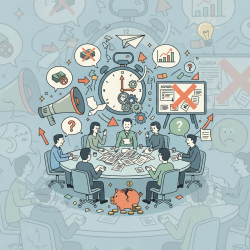
The modern workplace often feels like a never-ending cycle of meetings, consuming valuable time and disrupting deep work. This constant demand for synchronous interaction, while sometimes necessary, frequently hinders productivity, creativity, and effective global collaboration. It is time to explore and adopt alternative communication strategies, particularly asynchronous methods, to reclaim time, foster more thoughtful engagement, and build a more efficient and inclusive work environment.
Frequent synchronous meetings, while intended to facilitate collaboration, often lead to a myriad of challenges. Meeting fatigue is a common complaint, where employees feel drained by constant video calls or conference room sessions. These interruptions fragment focus, making it difficult for individuals to dedicate uninterrupted time to complex tasks requiring deep concentration. Furthermore, time zone differences can exclude international team members or force them into inconvenient hours, reducing inclusivity. Decision-making can also be rushed under the pressure of a live setting, leading to less considered outcomes.
Another significant drawback is the lack of a persistent record. Unless meticulously minuted, the nuances of discussions and decisions made in meetings can be lost, leading to misunderstandings or repeated conversations later. This informal nature often makes it difficult to track accountability or revisit past contexts efficiently.
Embracing Asynchronous Communication
Asynchronous communication, by contrast, involves transmitting information without the expectation of an immediate response. This approach allows individuals to engage with messages, questions, or updates at their convenience, when they are most focused and ready to contribute thoughtfully. It fundamentally respects individual work rhythms and enables a more flexible approach to collaboration. The benefits extend beyond personal productivity, impacting team dynamics and organizational efficiency positively.
By shifting towards an asynchronous-first mindset, teams can empower members to manage their schedules more effectively, reduce stress associated with constant availability, and produce higher quality outputs. It encourages a culture of deliberate thought and well-articulated contributions rather than spontaneous, unrefined responses.
Key Asynchronous Tools and Strategies
Transitioning away from synchronous meeting reliance necessitates the effective deployment of various asynchronous tools and strategies. These tools are designed to facilitate clear, documented, and accessible communication.
Text-Based Communication
Email remains invaluable for formal announcements, detailed project updates, and discussions that require a structured, documented thread. It's excellent for conveying comprehensive information that doesn't demand instant feedback. Team chat platforms like Slack or Microsoft Teams are ideal for quick questions, sharing immediate updates, and informal team banter. While they can feel synchronous, setting norms around response times can foster an asynchronous expectation. Channels can be organized by project or topic, keeping discussions contextualized. Project management tools such as Jira, Asana, or Trello are essential for task tracking, status updates, and discussions directly related to specific work items. Comments on tasks or issues provide a clear historical record of decisions and progress, making meetings about "what's next" less frequent.
Video and Audio Messages
Tools like Loom, Vidyard, or even simple voice notes can convey tone and context far better than text alone, without requiring a live meeting. These are excellent for explaining complex ideas, providing visual walkthroughs, or offering personalized feedback that a quick text message might lack. They empower recipients to watch or listen on their own schedule.
Centralized Documentation and Knowledge Bases
Platforms such as Confluence, Notion, or Google Sites serve as single sources of truth for project specifications, team processes, policies, and frequently asked questions. Documenting decisions, meeting outcomes (when meetings are held), and standard operating procedures here dramatically reduces the need for repetitive explanations or clarification meetings. This ensures institutional knowledge is preserved and easily accessible to all, regardless of location or time zone.
Fostering a Culture of Asynchronous First
Adopting asynchronous communication is not merely about using new tools; it requires a significant cultural shift within an organization. Leaders must champion this approach by modeling behavior, sending detailed updates via email or documented platforms, and actively reducing their own meeting commitments. Clear guidelines should be established regarding when synchronous meetings are genuinely necessary (e.g., brainstorming, critical decision-making with high emotional stakes, team building).
Training sessions can help teams understand best practices for asynchronous collaboration, including how to write clear messages, provide comprehensive updates, and utilize tools effectively. Setting explicit expectations for response times, rather than assuming immediacy, is crucial. Regularly reviewing communication practices and soliciting feedback ensures the strategy remains effective and evolves with the team's needs. This proactive approach ensures a smoother transition and greater buy-in.
Summary
Embracing asynchronous communication strategies is a powerful way to combat meeting fatigue, enhance productivity, and promote inclusivity in the modern workplace. By leveraging text-based platforms, video messages, and robust documentation, teams can communicate more thoughtfully and efficiently. This cultural shift, supported by strong leadership and clear guidelines, enables organizations to foster a more flexible, focused, and ultimately more effective collaborative environment.
Comprehension questions
 What are two common problems associated with frequent synchronous meetings in the modern workplace?How does asynchronous communication fundamentally differ from synchronous communication, and what is a primary benefit it offers?Name three distinct types of asynchronous tools or strategies mentioned in the article and provide an example for each.Beyond just using new tools, what cultural shifts are necessary to successfully adopt an asynchronous-first communication strategy?
Community Poll
Next Lesson
Course Contents : Running Effective Meetings for Software Engineering Managers
- >> 6.
 Mastering Asynchronous Communication Strategies