Techniques for Group Engagement and Productivity
- -->> 3. Techniques for Group Engagement and Productivity
What you'll learn
 Guiding DiscussionsEncouraging ParticipationManaging Challenging DynamicsSetting the Stage
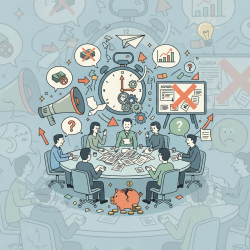
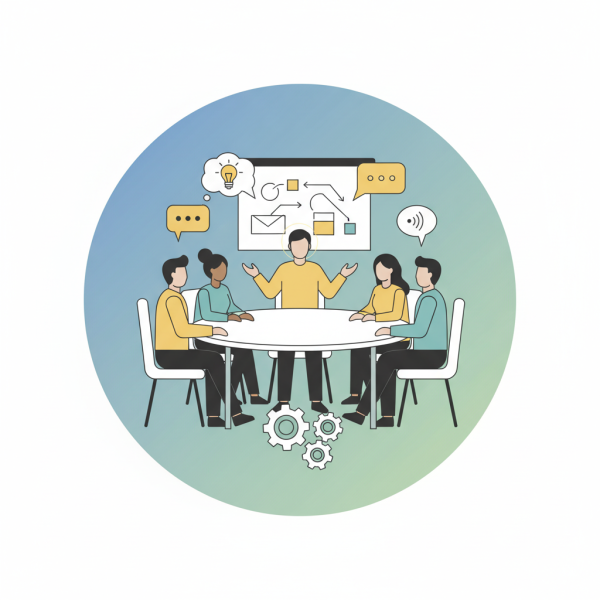
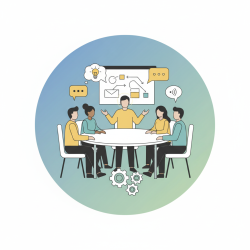
Effective facilitation is an art and a science, crucial for transforming group interactions from mere gatherings into productive, engaging, and collaborative experiences. In today's dynamic environments, whether in business meetings, educational workshops, or community discussions, the ability to guide conversations, foster inclusive participation, and skillfully navigate challenging moments is paramount. This article explores essential facilitation techniques designed to enhance engagement, ensuring every voice is heard, ideas are thoroughly explored, and collective goals are successfully met.
Understanding the Core Principles of Engagement
Before diving into specific techniques, it's vital to grasp the foundational principles that drive engagement. Participants are more likely to commit when they feel valued, understand the purpose, and see a clear path for their contributions. A facilitator's role is to cultivate an environment of psychological safety and shared ownership.
Creating an atmosphere where everyone feels comfortable sharing ideas, even nascent ones, is the cornerstone of effective engagement. This means setting clear expectations for respectful dialogue and actively demonstrating empathy.
Setting the Stage for Productive Discussions
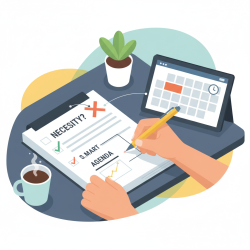
Preparation is key. A well-prepared facilitator defines clear objectives, designs an appropriate agenda, and anticipates potential discussion points or roadblocks. This proactive approach sets a positive tone and provides a framework for the interaction.
Establishing ground rules at the outset is highly beneficial. These aren't punitive measures but rather shared agreements that help manage expectations and encourage constructive behavior. Examples include active listening, respecting differing opinions, and 'one conversation at a time'.
Guiding Discussions Effectively
A skilled facilitator doesn't dominate the conversation but rather steers it. Open-ended questions are powerful tools for eliciting detailed responses and encouraging deeper thought. Instead of 'Do you agree?', try 'What are your thoughts on this proposal, and what potential impacts do you foresee?'.
Active listening is fundamental. This means not just hearing words, but also observing non-verbal cues and reflecting back what you hear to confirm understanding. Paraphrasing comments ensures accuracy and makes participants feel heard and appreciated.
- Probing Questions: Use questions like 'Can you elaborate on that?' or 'What evidence supports that claim?' to encourage deeper exploration and critical thinking.
- Summarizing: Periodically summarize key points to consolidate understanding, keep the discussion on track, and ensure everyone is aligned before moving to the next topic.
- Time Management: Keep a close watch on the clock, allocating appropriate time for each agenda item. Be prepared to gently redirect conversations that stray too far off topic.
Encouraging Active Participation
Not everyone is comfortable speaking up immediately. A good facilitator employs various techniques to draw out contributions from quieter members while managing more dominant voices. This creates a balanced and inclusive dialogue.
Small group breakouts can be incredibly effective. Dividing larger groups into smaller clusters allows more individuals to speak and brainstorm ideas in a less intimidating setting. Their conclusions can then be brought back to the main group.
Methods like 'Round Robin' where each person gets a turn to speak without interruption, or 'Think-Pair-Share' (individual reflection, discussion with a partner, then sharing with the larger group) can democratize participation and ensure a broader range of perspectives are heard.
- Visual Aids and Tools: Utilize whiteboards, flip charts, or digital collaboration tools to capture ideas visually. This makes the discussion more tangible and encourages participation from those who prefer visual processing.
- Icebreakers and Energizers: Short, engaging activities at the beginning or during natural lulls can lighten the mood, build rapport, and re-energize the group, making participants more receptive to engagement.
Managing Challenging Dynamics
Even with the best preparation, challenging dynamics can arise. These might include conflict, apathy, or a few individuals dominating the conversation. A facilitator must be equipped to address these situations constructively.
When conflict emerges, address the behavior, not the person. Focus on the issues at hand and guide the group towards finding common ground or understanding different perspectives. Remind participants of the established ground rules.
For dominant participants, acknowledge their contributions while also inviting others to speak. You might say, 'Thank you for your insights, John. Let's hear from a few others on this point now.' For quieter members, direct questions can be helpful, e.g., 'Sarah, what's your perspective on this, especially given your experience in X?'
In instances of apathy or disengagement, revisit the purpose and relevance of the discussion. Ask open questions to uncover underlying reasons for the lack of participation and adjust the approach if necessary to rekindle interest.
Conclusion
Mastering facilitation techniques is a continuous journey that significantly enhances group engagement and productivity. By actively preparing, skillfully guiding discussions with open questions and active listening, employing diverse participation strategies, and confidently managing challenging dynamics, facilitators can transform ordinary interactions into powerful collaborative experiences. These strategies empower groups to achieve their objectives more effectively, fostering environments where every participant feels valued and contributes meaningfully to shared success.
Comprehension questions
 What are some core principles that drive engagement in group discussions?Name two specific techniques a facilitator can use to encourage participation from quieter members.How can a facilitator effectively manage challenging dynamics like dominant participants or conflict?What role do open-ended questions and active listening play in guiding discussions?
Community Poll
Next Lesson
Course Contents : Running Effective Meetings for Software Engineering Managers
- >> 3.
 Techniques for Group Engagement and Productivity