The Power of Post-Meeting Follow-Ups
- -->> 5. The Power of Post-Meeting Follow-Ups
What you'll learn
 Effective Follow-UpFeedback MechanismsMeeting RefinementContinuous Improvement
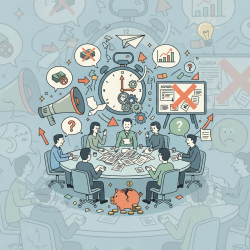
Meetings are a ubiquitous part of professional life, often consuming significant time and resources. Yet, their true value is frequently diminished when the discussions and decisions made within them fail to translate into tangible actions. This gap highlights the critical importance of robust post-meeting follow-up and a commitment to continuous improvement. Merely concluding a meeting is not enough; the subsequent steps of reinforcing agreements, assigning responsibilities, and tracking progress are what transform conversation into productivity. Furthermore, proactively soliciting and acting upon feedback regarding meeting practices themselves is paramount for refining these sessions to be more efficient, engaging, and impactful over time.
The Critical Role of Post-Meeting Follow-Up
Post-meeting follow-up is not merely an administrative task; it is the linchpin that connects discussion to execution. Without a clear and consistent follow-up process, even the most productive meetings can lead to ambiguity, missed deadlines, and a lack of accountability. It ensures that decisions are documented, action items are clearly assigned, and progress can be monitored effectively.
This phase solidifies the outcomes, reiterates commitments, and provides a roadmap for what needs to happen next. It helps to prevent important tasks from falling through the cracks and keeps all participants aligned on collective goals. A strong follow-up process communicates professionalism and a commitment to results, fostering a culture where every meeting has purpose and leads to meaningful advancements.
Key Components of an Effective Follow-Up Process
An effective follow-up process is structured and systematic, ensuring that nothing is left to chance. It involves several critical components that work in tandem to drive action and accountability.
Action Item Distribution and Clarity
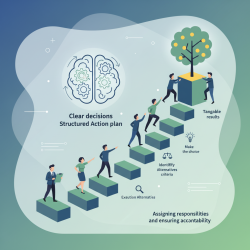
Immediately after a meeting, a concise summary of all action items, decisions, and assigned responsibilities should be distributed. Each action item must be specific, measurable, achievable, relevant, and time-bound (SMART). It should clearly state who is responsible for what, by when. This clarity eliminates confusion and provides a tangible list of tasks for participants to act upon.
Accountability and Deadlines
Assigning clear owners and realistic deadlines to each action item is fundamental. Without a designated individual responsible for a task and a target completion date, tasks are prone to delay or neglect. The follow-up document serves as a reference point for accountability, allowing for easy tracking of progress and identification of potential bottlenecks.
Communication and Updates
Regular check-ins or automated reminders can significantly improve the completion rate of action items. This doesn't necessarily mean more meetings, but rather efficient communication channels to update on progress, highlight challenges, and celebrate successes. This continuous loop of communication keeps everyone informed and engaged in the outcomes.
Documentation and Accessibility
All meeting summaries, action items, and relevant documents should be stored in an accessible, centralized location. This ensures that past discussions and decisions can be easily referenced by anyone who needs them, providing context for future meetings and projects. Good documentation supports transparency and organizational memory.
Gathering Feedback for Continuous Improvement
Beyond individual meeting outcomes, organizations must look at their meeting practices holistically. Gathering feedback is an invaluable step in this process, providing insights into what works well and what needs improvement.
Formal Feedback Channels
Implementing short, anonymous post-meeting surveys can yield structured data on various aspects, such as meeting length, agenda clarity, participant engagement, decision-making effectiveness, and overall value. These surveys can highlight trends and common pain points across different meetings.
Informal Feedback and Debriefs
Encourage open discussion about meeting effectiveness. This can be as simple as asking "What could we have done better?" at the end of a session, or facilitating a brief debrief with key stakeholders. Informal feedback provides qualitative insights and can uncover nuances that quantitative data might miss.
Implementing Feedback and Iterating Meeting Practices
Collecting feedback is only half the battle; the real value comes from acting on it. This involves a systematic approach to analyzing insights and making iterative improvements.
Analyzing Feedback Trends
Regularly review aggregated feedback to identify recurring issues or patterns. Are meetings consistently too long? Is the agenda often unclear? Are decisions rarely followed through? Recognizing these trends is the first step toward targeted improvement.
Making Targeted Adjustments
Based on the analyzed feedback, implement specific changes to meeting practices. This might involve setting stricter time limits, requiring pre-reading, assigning a dedicated facilitator, or improving agenda templates. Start with small, manageable adjustments and observe their impact.
Communicating Changes and Monitoring Impact
Clearly communicate any changes to meeting protocols to all participants. Explain the rationale behind the changes, linking them back to the feedback received. Then, monitor the impact of these adjustments through subsequent feedback cycles. This closed-loop system ensures that improvements are data-driven and continuously refined.
Tools and Technologies for Streamlined Follow-Up
Leveraging technology can significantly enhance both follow-up and feedback processes. Many digital tools offer integrated features to streamline meeting management:
- Project management software (e.g., Asana, Trello, Monday.com) for assigning and tracking action items.
- Collaborative document platforms (e.g., Google Docs, Microsoft 365) for shared meeting notes and decision logs.
- Meeting management tools (e.g., Fellow, Hugo) that combine agenda building, note-taking, action item tracking, and feedback collection.
- Survey tools (e.g., SurveyMonkey, Google Forms) for anonymous post-meeting feedback.
The Benefits of a Refined Meeting Culture
A commitment to effective follow-up and continuous improvement yields substantial benefits for any organization:
- Increased productivity and efficiency from clearer action and accountability.
- Enhanced employee engagement and morale due to more effective and less wasteful meetings.
- Improved decision-making quality as outcomes are consistently tracked and reviewed.
- A culture of continuous learning and adaptation, making the organization more agile.
- Reduced meeting fatigue and better utilization of valuable professional time.
Summary
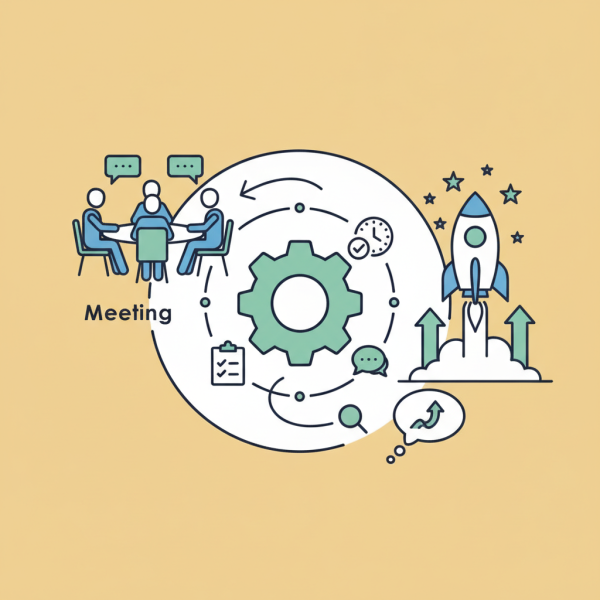
In conclusion, transforming meetings from mere discussions into engines of progress hinges on two critical pillars: meticulous post-meeting follow-up and a dedication to continuous improvement. An effective follow-up process ensures decisions translate into clear actions, with defined responsibilities and deadlines, supported by robust documentation and communication. Complementing this is the systematic gathering of feedback, both formal and informal, which provides invaluable insights into meeting efficacy. By analyzing these insights, making targeted adjustments, and communicating changes, organizations can iteratively refine their meeting practices. This holistic approach not only boosts productivity and accountability but also fosters a dynamic culture where meetings are consistently productive, purposeful, and genuinely contribute to organizational success.
Comprehension questions
 Why is post-meeting follow-up considered a critical, non-optional step for meeting success?What are three key components of an effective post-meeting follow-up process mentioned in the article?Describe two methods for gathering feedback on meeting practices, as discussed in the article.How does an organization typically implement feedback to improve its meeting culture?
Community Poll
Next Lesson

Course Contents : Running Effective Meetings for Software Engineering Managers
- >> 5.
 The Power of Post-Meeting Follow-Ups