The Art of Pre-Meeting Preparation
- -->> 2. The Art of Pre-Meeting Preparation
What you'll learn
 Meeting Necessity EvaluationClear Objective SettingEffective Agenda CreationPre-Meeting Communication
Meetings are an unavoidable, often essential, part of our work lives. However, for many, they've become synonymous with inefficiency, wasted time, and frustration. The truth is, the success or failure of a meeting is rarely determined within the meeting itself. Instead, it’s forged in the often-overlooked crucible of pre-meeting preparation. Mastering the art of preparation—defining clear objectives, crafting effective agendas, and critically assessing meeting necessity—is the cornerstone of unlocking productivity and transforming dreaded gatherings into powerful engines of progress.
The Core Challenge: Meeting Bloat
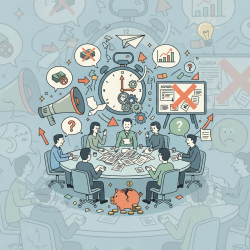
We've all been there: a calendar full of back-to-back meetings, many of which feel pointless. This phenomenon, often termed "meeting bloat," drains employee energy, consumes valuable work hours, and stifles innovation. The cumulative cost of unproductive meetings—in terms of salaries paid, opportunities lost, and morale eroded—is staggering. Addressing this issue requires a fundamental shift in our approach, moving beyond simply scheduling and showing up, to a disciplined strategy of pre-meeting mastery. It's about being intentional before anyone even steps into the room or logs into a call.
Is This Meeting Truly Necessary? The First Critical Step
Before you even think about setting an objective or drafting an agenda, the most crucial question to ask is: "Is this meeting truly necessary?" Not every discussion or decision requires a formal gathering of multiple individuals. Often, a quick email, a shared document, or a one-on-one conversation can achieve the same outcome with greater efficiency. Convening a meeting should be a deliberate act, reserved for situations that genuinely benefit from real-time, synchronous collaboration and discussion.
- Consider if information can be shared asynchronously.
- Determine if a decision can be made by a smaller group or an individual.
- Assess if the topic requires immediate, interactive feedback and brainstorming.
- Evaluate if the meeting is simply a status update that could be handled via a report.
If the answer to the necessity question is a resounding yes, then and only then should you proceed to the next preparatory steps. This initial filter saves immense amounts of time and ensures that when meetings do occur, they are inherently valuable.
Crafting Crystal-Clear Objectives: Guiding Your Discussion
Once necessity is established, defining clear, compelling objectives is paramount. Without a well-articulated purpose, a meeting can quickly drift off-topic, becoming a free-for-all discussion rather than a focused effort to achieve specific outcomes. Effective objectives act as a compass, guiding every part of the meeting, from who should attend to what should be discussed. They answer the fundamental question: "What do we want to achieve by the end of this meeting?"
Objectives should ideally be SMART:
- Specific: Clearly defined and focused on a particular area.
- Measific: Quantifiable or at least clearly observable for success.
- Achievable: Realistic and attainable within the meeting's scope.
- Relevant: Aligned with broader goals and important to attendees.
- Time-bound: Has a defined endpoint or deadline for completion.
For example, instead of "Discuss project X," a SMART objective would be: "Decide on the final scope for Phase 2 of Project X and assign owners for the next three key tasks by the end of the meeting." This level of clarity empowers attendees and holds the meeting leader accountable for directing the conversation towards tangible results.
Designing Dynamic Agendas: Your Roadmap to Results
With clear objectives in hand, the next step is to construct an effective agenda. The agenda is your meeting's roadmap, outlining the topics to be covered, the order of discussion, and the time allotted for each item. A well-designed agenda ensures that all critical points are addressed, prevents tangents, and helps keep the meeting on schedule. It should be more than just a list of topics; it should be a strategic sequence of discussion points leading to the stated objectives.
For each agenda item, specify:
- The topic to be discussed.
- The desired outcome for that topic (e.g., "Decision," "Information Sharing," "Brainstorming").
- The time allocated.
- The lead person responsible for presenting or facilitating that item.
Distributing the agenda in advance allows attendees to prepare, gather necessary information, and come ready to contribute meaningfully. It also sets expectations for what will be covered and what will be accomplished.
Pre-Meeting Logistics and Communication: Setting the Stage
Beyond objectives and agendas, several logistical considerations contribute significantly to meeting success. Selecting the right participants is crucial; invite only those whose presence is genuinely necessary for achieving the meeting's objectives. Every additional person adds to the complexity and potential for divergence. Communicate clearly with invitees about the purpose, required preparation, and expected contributions.
Furthermore, ensure that all necessary resources are ready. This includes distributing any pre-reading materials, setting up technology (video conferencing links, presentation equipment), and ensuring the meeting space (physical or virtual) is prepared. A smooth start free from technical glitches or missing information sets a positive tone and prevents valuable time from being wasted on administrative details.
Summary
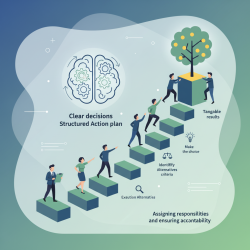
Pre-meeting mastery is not merely a best practice; it is an essential discipline for enhancing organizational productivity and fostering a culture of effective collaboration. By rigorously determining the necessity of each meeting, setting precise and SMART objectives, and crafting comprehensive, time-bound agendas, leaders and participants can transform their meeting culture. These foundational steps, coupled with diligent logistical preparation, ensure that every gathering serves a clear purpose, respects everyone's time, and consistently delivers tangible results, ultimately moving projects and initiatives forward with greater efficiency and impact.
Comprehension questions
 What are the three core pillars of pre-meeting mastery discussed in the article?Why is determining meeting necessity the first critical step before setting objectives or drafting an agenda?What does the SMART acronym stand for when applied to setting meeting objectives, and why is each component important?How does a well-designed agenda contribute to the success of a meeting, and what specific details should it include for each item?
Review Quiz
Next Lesson
Course Contents : Running Effective Meetings for Software Engineering Managers
- >> 2.
 The Art of Pre-Meeting Preparation