Course Details
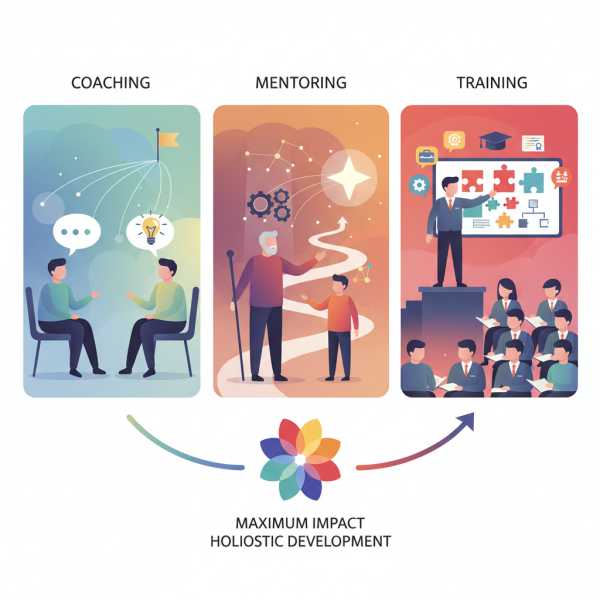
The role of a software engineering manager extends far beyond technical oversight; it fundamentally involves cultivating a thriving team that consistently delivers innovation and quality. Leading a team of skilled engineers requires a nuanced understanding of individual potential, team dynamics, and strategic methods to enhance capabilities. This course delves into the critical strategies that empower managers to transition from merely supervising to genuinely developing their people, fostering an environment of continuous learning and high performance.
Effective coaching is a cornerstone of this development. It involves guiding individuals to discover their own solutions, improve problem-solving skills, and navigate career challenges with greater autonomy. Managers who master coaching techniques can significantly boost team morale, improve productivity, and build resilient engineers capable of tackling complex technical and interpersonal hurdles. This approach moves beyond simply telling engineers what to do, instead focusing on asking powerful questions that unlock their intrinsic motivation and critical thinking.
Mentoring, while distinct from coaching, plays an equally vital role in career progression and skill transfer. It provides engineers with experienced guidance, sharing insights, best practices, and lessons learned from a seasoned perspective. A strong mentoring program within an engineering team can accelerate the growth of junior engineers, smooth transitions for new hires, and provide invaluable support for those navigating new responsibilities or technologies. It builds a legacy of knowledge and fosters a supportive culture where experience is highly valued and readily shared.
Furthermore, targeted training strategies are essential for keeping engineering teams at the cutting edge. This includes identifying skill gaps, designing relevant learning paths, and implementing effective knowledge-sharing mechanisms. Whether through formal workshops, internal tech talks, or self-directed learning initiatives, a manager's ability to orchestrate meaningful training ensures that the team's collective skill set evolves in alignment with project needs and industry advancements, preventing skill stagnation and promoting adaptability.
By integrating effective coaching, thoughtful mentoring, and strategic training, software engineering managers can unlock the full potential of their teams, driving both individual career satisfaction and organizational success. These are not merely soft skills, but rather critical leadership competencies that directly impact project outcomes, team retention, and overall engineering excellence. Investing in these areas transforms managers into true leaders who inspire, develop, and empower.
We invite you to join us in this comprehensive course designed specifically for software engineering managers ready to elevate their leadership. Discover practical frameworks, proven techniques, and actionable strategies to become a more effective coach, a valuable mentor, and a skilled facilitator of learning within your engineering organization. Transform your team's potential and your own leadership impact by enrolling today.
Course Contents (11 lessons)
- 1.
 This article meticulously explores the distinct definitions, objectives, and optimal applications of coaching, mentoring, and training, clarifying their unique roles in professional development strategies.
 - 2.
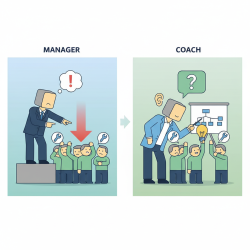 Managers evolve into effective coaches by mastering active listening and powerful questioning, empowering engineers to discover their own solutions and insights, fostering growth.
 - 3.
 This article explores a framework for structuring effective one-on-one coaching, covering goal setting, constructive feedback, and guidance for productive discussions.
 - 4.
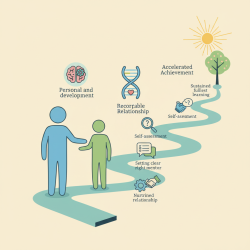 Learn how to identify suitable mentors, set clear expectations, and support successful long-term mentoring partnerships for fostering professional growth.
 - 5.
 Establishing a robust mentoring culture through formal programs and peer-to-peer interactions is crucial for fostering knowledge transfer, skill development, and accelerating career growth across an organization.
 - 6.
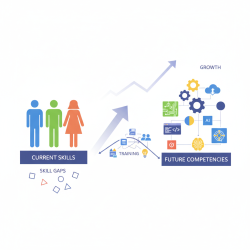 Strategic skill gap analysis is paramount for engineering teams, requiring methods to pinpoint current deficiencies, forecast future requirements, and design impactful training to boost innovation and competitive advantage.
 - 7.
 Designing impactful technical training requires understanding audience, clear objectives, structuring engaging content, dynamic delivery, and measuring learning outcomes.
 - 8.
 Cultivating a robust learning organization is paramount for sustained success, encompassing strategic implementation of workshops, tech talks, documentation, and mentorship to empower employees with evolving skills and foster a culture of perpetual growth.
 - 9.
 This guide equips leaders to provide clear, motivating constructive feedback and conduct effective performance development conversations for individual improvement.
 - 10.
 Understanding how to effectively track and evaluate people development strategies is crucial for demonstrating clear return on investment and continuously refining organizational learning approaches.
 - 11.
 Adopting a coaching mindset can transform challenging workplace interactions and conflicts into opportunities for growth and resolution through active listening and collaboration.