Productive Mentoring via Sustainable Partnerships
- -->> 4. Productive Mentoring via Sustainable Partnerships
What you'll learn
 Identifying Mentorship NeedsFinding the Right MentorSetting Clear ExpectationsSustaining Mentoring Partnerships
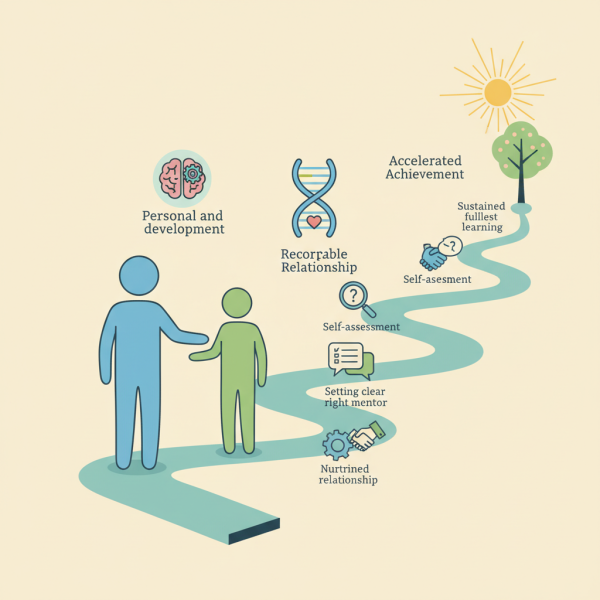
Effective mentoring is a powerful catalyst for personal and professional development, offering guidance, wisdom, and support that can shape careers and lives. It's more than just providing advice; it's about fostering a dynamic, reciprocal relationship built on trust, respect, and a shared commitment to growth. Establishing such partnerships requires deliberate effort, beginning with a clear understanding of one's own developmental needs and extending through the careful cultivation of the mentor-mentee bond. By strategically identifying suitable mentors, setting realistic expectations, and actively nurturing the relationship, individuals can unlock the profound benefits of long-term mentoring partnerships, leading to sustained learning and accelerated achievement.
Understanding the Core of Mentoring
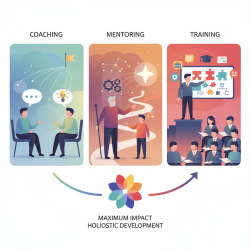
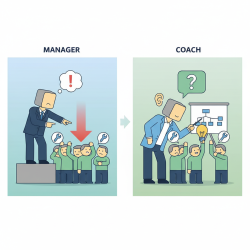
Mentoring is a process where an experienced individual (the mentor) guides and supports a less experienced individual (the mentee) in achieving specific goals. This relationship is distinct from coaching, which often focuses on specific skill improvement, or sponsorship, which involves advocating for someone's advancement. Mentoring encompasses broader professional and personal development, offering insights into industry nuances, organizational culture, career pathways, and personal challenges.
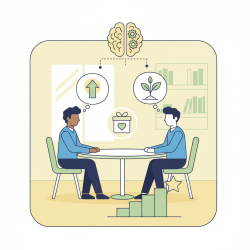
The essence of effective mentoring lies in its voluntary nature and mutual benefit. While the mentee gains invaluable guidance, mentors often find deep satisfaction in contributing to another's success, refining their own leadership skills, and gaining fresh perspectives. It's a journey of shared learning, where both parties contribute to the relationship's vitality and evolution.
Identifying Mentorship Needs
Before seeking a mentor, it is crucial for a potential mentee to conduct an honest self-assessment. What specific areas require development? Are you looking for career path guidance, skill enhancement, leadership development, or navigating workplace challenges? Clearly defining these needs will help in identifying the most appropriate type of mentor and the qualities they should possess.
Consider the following questions:
- What are my short-term and long-term career aspirations?
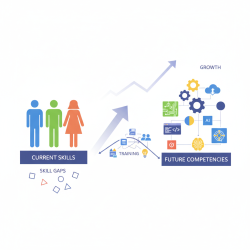
- What specific skills or knowledge gaps do I need to address?
- Do I need help with networking, strategic thinking, or work-life balance?
- What kind of support structure would be most beneficial for my current stage?
Articulating these needs transforms a vague desire for "a mentor" into a targeted search for specific expertise and guidance.
Finding the Right Mentor
Identifying a suitable mentor involves thoughtful consideration rather than simply approaching the most senior person available. Compatibility, experience, and willingness to commit are key factors. Look for individuals who:
- Possess relevant experience in the areas you wish to develop.
- Demonstrate strong communication and active listening skills.
- Have a proven track record of ethical conduct and professionalism.
- Are genuinely interested in helping others grow and develop.
- Are available and willing to dedicate time to the mentoring relationship.
Networking events, professional associations, company-sponsored mentoring programs, and even informal conversations can be excellent avenues for identifying potential mentors. Remember, the initial approach should be respectful and clearly state your objectives.
Establishing Clear Expectations
Once a potential mentor agrees to a partnership, setting clear expectations is paramount for a successful and sustainable relationship. This involves discussing logistics, communication preferences, and specific goals. A formal or informal "mentoring agreement" can be helpful to solidify these parameters.
Key discussion points include:
- Frequency and Duration of Meetings: How often will you meet, and for how long?
- Preferred Communication Methods: Email, phone calls, virtual meetings, or in-person?
- Confidentiality: What level of privacy will be maintained?
- Roles and Responsibilities: What does each party expect from the other?
- Specific Goals and Milestones: What outcomes are you both working towards?
Clarity from the outset prevents misunderstandings and ensures both parties are aligned on the purpose and structure of the relationship.
Nurturing the Mentoring Relationship
A mentoring relationship, like any other, requires ongoing effort and commitment to thrive. Mentees should be proactive in scheduling meetings, preparing discussion points, and following through on agreed-upon actions. Providing updates on progress and challenges demonstrates respect for the mentor's time and investment.
For mentors, offering constructive feedback, sharing personal experiences, and providing encouragement are vital. Active listening, asking probing questions, and challenging the mentee's thinking in a supportive way contribute significantly to their growth. Regular communication, even brief check-ins, helps maintain momentum and keeps the relationship strong.
Sustaining Long-Term Partnerships
The most impactful mentoring relationships often evolve over time, adapting to changing needs and circumstances. As a mentee grows, their needs may shift, and the mentor's role might transition from direct guidance to more of a sounding board or strategic advisor. Open dialogue about the evolving nature of the relationship is crucial.
To sustain a long-term partnership:
- Regularly Re-evaluate Goals: Periodically review the initial objectives and set new ones as needed.
- Show Appreciation: Acknowledge the mentor's contributions and express gratitude.
- Offer Reciprocity: While the relationship is primarily for the mentee's benefit, mentees can offer value through fresh perspectives, insights into emerging trends, or simply by being an engaged and responsive partner.
- Know When to Conclude: Not all mentoring relationships are lifelong. A respectful conclusion, if necessary, allows both parties to move forward gracefully, celebrating the growth achieved.
The true measure of a successful mentoring partnership is not its duration, but the profound impact it has on the mentee's development and the mutual satisfaction derived from the journey.
Conclusion
Effective mentoring is a foundational element for personal and professional advancement, built upon a structured approach to identifying needs, selecting appropriate guides, and diligently cultivating the relationship. From the initial self-assessment and careful mentor selection to the establishment of clear expectations and ongoing nurturing, each step plays a crucial role in fostering a robust and beneficial partnership. By embracing proactive engagement, open communication, and a commitment to mutual growth, individuals can establish and sustain mentoring relationships that not only provide invaluable guidance but also empower them to reach their fullest potential, leaving a lasting legacy of development and success.
Comprehension questions
 What is the primary distinction between mentoring, coaching, and sponsorship according to the article?What crucial step should a potential mentee undertake before actively seeking a mentor?List three key discussion points that should be covered when establishing clear expectations in a mentoring relationship.According to the article, how can mentees show appreciation and offer reciprocity in a long-term mentoring partnership?
Review Quiz
Next Lesson

Course Contents : Coaching, Mentoring, and Training for Software Engineering Managers
- >> 4.
 Productive Mentoring via Sustainable Partnerships