Metrics for Coaching, Mentoring, and Training Success
- -->> 10. Metrics for Coaching, Mentoring, and Training Success
What you'll learn
 ROI in People DevelopmentKey Metrics for DevelopmentHolistic Measurement StrategiesImplementing Evaluation Frameworks
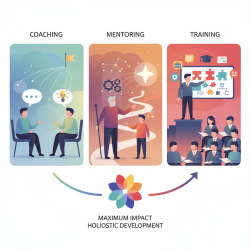
Investing in people development through coaching, mentoring, and training is no longer considered merely a perk but a strategic imperative. Organizations pour significant resources into enhancing employee capabilities, fostering leadership, and cultivating a skilled workforce. However, the true value of these initiatives often remains anecdotal without a robust system for measuring their impact. Moving beyond simple participation rates, a data-driven approach is essential for demonstrating the tangible return on investment (ROI), justifying budgets, and continuously refining development strategies to ensure they align with business objectives and truly elevate employee performance.
Why Measure People Development?
The imperative to measure the effectiveness of people development programs stems from several critical organizational needs. Firstly, it provides accountability. By tracking outcomes, HR and L&D departments can demonstrate their contribution to the bottom line, moving from cost centers to value creators. Secondly, measurement enables continuous improvement. Data-driven insights reveal what works, what doesn't, and where adjustments are needed, allowing programs to evolve and become more impactful over time. Thirdly, it supports strategic alignment, ensuring that development efforts are directly contributing to key business goals such as productivity increases, employee retention, innovation, and leadership pipeline strength. Ultimately, effective measurement transforms people development from an expense into a quantifiable investment with clear, demonstrable returns.
Key Metrics for Coaching Success
Coaching, often personalized and intensive, requires specific metrics to gauge its efficacy. The impact of coaching can be multifaceted, touching individual performance, skill development, and overall employee engagement. Tracking these elements helps articulate the value derived from coaching investments.
- Participant Satisfaction and Engagement: Post-coaching surveys can assess how valuable participants found the experience, the coach's effectiveness, and their likelihood to recommend coaching.
- Goal Attainment: Measuring progress against agreed-upon coaching goals, often established at the outset. This can involve self-assessment, manager feedback, or objective performance data.
- Behavioral Change: Using 360-degree feedback tools, manager observations, and peer reviews to identify specific behavioral shifts that resulted from coaching. Are employees applying new strategies or communication techniques?
- Performance Improvement: Linking coaching to key performance indicators (KPIs) such as increased sales, improved efficiency, enhanced project delivery, or reduced error rates.
- Employee Retention: Analyzing whether coached employees demonstrate higher retention rates compared to non-coached peers, indicating increased job satisfaction and career growth.
Key Metrics for Mentoring Success
Mentoring programs, which often focus on career development, knowledge transfer, and organizational integration, also benefit from targeted evaluation. The success of mentoring can manifest in the growth of both mentees and mentors, as well as broader organizational benefits.
- Mentee Career Progression: Tracking promotions, increased responsibilities, or successful transitions into new roles for mentees.
- Skill Development and Knowledge Transfer: Assessing specific skills gained or improved by mentees through self-assessment, mentor feedback, or project outcomes.
- Mentee and Mentor Satisfaction: Surveys to gauge the quality of the mentoring relationship, perceived value, and overall program experience for both parties.
- Retention of Mentees: Similar to coaching, higher retention rates for participants in mentoring programs can indicate program success.
- Organizational Culture Impact: Qualitative data showing improved collaboration, enhanced employee engagement, or stronger internal networks due to the program.
Key Metrics for Training Program Success
Training programs are perhaps the most common form of people development, and their evaluation often follows established models like Kirkpatrick's Four-Level Training Evaluation Model, which provides a comprehensive framework for assessing effectiveness.
- Level 1: Reaction: How participants felt about the training. Surveys administered immediately after training measure satisfaction with content, instructors, materials, and learning environment.
- Level 2: Learning: The extent to which participants acquired the intended knowledge, skills, or attitudes. This is typically measured through pre- and post-tests, quizzes, simulations, or demonstrations of skill mastery.
- Level 3: Behavior: The degree to which participants apply what they learned on the job. This requires observation, performance reviews, 360-degree feedback, and manager assessments after a period back at work.
- Level 4: Results: The ultimate impact on the organization's business objectives. This is where ROI calculations come into play, linking training outcomes to measurable business results like increased productivity, reduced costs, improved quality, higher customer satisfaction, or enhanced safety records. Calculating the monetary value of these results against the cost of training provides a clear ROI.
- Cost-Benefit Analysis: Beyond Kirkpatrick, a thorough cost-benefit analysis compares the total cost of the training program (development, delivery, participant time) against the quantifiable benefits achieved.
The Importance of a Holistic Approach
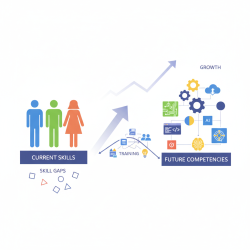
While quantitative metrics provide hard data, a truly comprehensive evaluation strategy integrates qualitative insights. Employee testimonials, focus groups, and one-on-one interviews can uncover nuances, emotional impacts, and unexpected benefits that numbers alone might miss. A holistic approach acknowledges that people development is complex and often yields both measurable performance gains and less tangible, but equally valuable, improvements in morale, cultural fit, and collaborative spirit. Combining quantitative metrics with rich qualitative data offers a more complete picture of success and areas for refinement, ensuring that development programs address both skill gaps and broader human needs.
Implementing a Measurement Framework
Establishing an effective measurement framework requires thoughtful planning and consistent execution. It begins long before the program's launch and continues throughout its lifecycle. Clear objectives must be defined for each development initiative, outlining precisely what success looks like. Next, select specific, measurable, achievable, relevant, and time-bound (SMART) metrics aligned with those objectives. It is crucial to establish baseline data before the intervention begins, providing a point of comparison for measuring change. Data collection should be systematic and ongoing, utilizing appropriate tools such as surveys, performance management systems, HRIS data, and business analytics platforms. Finally, the collected data must be rigorously analyzed, reported to stakeholders, and used to inform future program design and resource allocation, creating a continuous improvement loop.
Conclusion
Measuring the impact of people development is no longer optional; it is fundamental to strategic HR and organizational success. By systematically tracking and evaluating the effectiveness of coaching, mentoring, and training programs through a blend of robust quantitative and qualitative metrics, organizations can clearly demonstrate ROI, justify investments, and continuously refine their approaches. This commitment to data-driven insights ensures that development initiatives are not just delivering valuable learning experiences, but are actively contributing to individual growth, team performance, and the overarching strategic goals of the business, fostering a culture of continuous improvement and measurable impact.
Comprehension questions
 Why is it important for organizations to measure the impact of their people development initiatives beyond just participation rates?What are some key metrics an organization can use to assess the effectiveness of its coaching programs?How does Kirkpatrick's Four-Level Training Evaluation Model contribute to a comprehensive understanding of training program success?Why is a holistic approach, combining both quantitative and qualitative data, essential when evaluating people development programs?
Community Poll
Next Lesson

Course Contents : Coaching, Mentoring, and Training for Software Engineering Managers
- >> 10.
 Metrics for Coaching, Mentoring, and Training Success