Facilitating Knowledge Sharing and Continuous Learning
- -->> 8. Facilitating Knowledge Sharing and Continuous Learning
What you'll learn
 Learning Organization PrinciplesKnowledge Transfer StrategiesCulture of Continuous ImprovementMeasuring Learning Impact
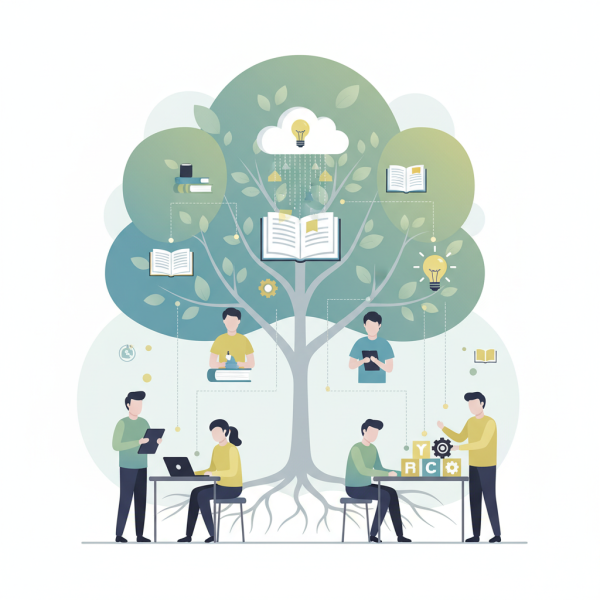
The ability of an organization to learn, adapt, and innovate is directly tied to its success and longevity. Facilitating knowledge sharing and continuous learning initiatives is not merely a beneficial practice but a strategic imperative. By consciously cultivating an environment where information flows freely, experiences are shared, and new skills are constantly acquired, organizations can transform into resilient, agile, and high-performing entities known as learning organizations. This article explores practical strategies for building such an environment, focusing on actionable initiatives that promote collective growth and individual development.
The Foundation of a Learning Organization
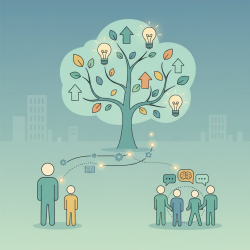
A learning organization is characterized by its capacity to create, acquire, and transfer knowledge, and to modify its behavior to reflect new knowledge and insights. This foundation rests on several pillars: a clear vision for learning, leadership commitment, psychological safety, and dedicated resources. Without a foundational commitment from leadership to prioritize learning, any initiatives are likely to falter. Employees must feel safe to experiment, make mistakes, and ask questions without fear of reprisal, fostering an environment where curiosity thrives.
Establishing a culture where learning is valued and seen as a shared responsibility is crucial. This involves not just formal training but also informal interactions and peer-to-peer exchanges. The goal is to embed learning into the daily fabric of work, making it an ongoing process rather than an isolated event.
Strategies for Knowledge Transfer
Effective knowledge transfer is at the heart of continuous learning. Several mechanisms can be employed to systematically share expertise across teams and individuals.
Internal Workshops and Training Sessions
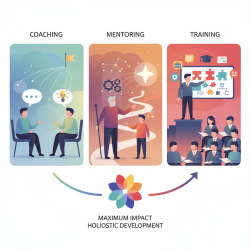
Organizing internal workshops and dedicated training sessions is an excellent way to consolidate and disseminate specific skills or domain knowledge. These can range from technical deep-dives led by internal experts to soft skill development workshops facilitated by HR or external consultants. The key is to make these sessions interactive, practical, and directly relevant to the organization's needs and employee development paths. Encouraging employees to become trainers themselves further reinforces their understanding and empowers them as knowledge champions.
Tech Talks and Lunch-and-Learns
Informal learning formats like "tech talks" or "lunch-and-learns" provide accessible platforms for employees to share insights, project experiences, and emerging trends. These short, focused presentations can cover anything from a new software tool, a recently completed project's lessons learned, or an interesting industry development. They foster a culture of open communication, encourage cross-departmental understanding, and often spark new ideas or collaborations. By keeping them informal and regular, participation remains high, and the barrier to sharing is lowered.
Robust Documentation Practices
While often overlooked, comprehensive and accessible documentation is a cornerstone of sustainable knowledge sharing. This includes not only technical specifications and user manuals but also process guides, best practice repositories, post-mortem analyses, and internal wikis. Effective documentation ensures that critical information is preserved, searchable, and available to anyone who needs it, reducing reliance on individual memory and preventing knowledge loss when employees move on. Regular updates and a clear ownership structure are vital for maintaining documentation quality and relevance.
- Centralized Knowledge Bases: Implement platforms like wikis or intranets where all documentation can reside and be easily accessed.
- Standardized Templates: Use consistent templates for different types of documents to improve readability and ease of contribution.
- Documentation Sprints: Periodically dedicate time specifically for updating and creating documentation, making it a recognized part of work.
Mentorship and Peer Learning
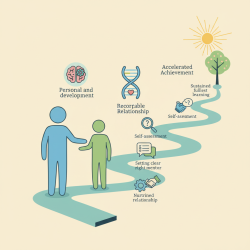
Formal and informal mentorship programs facilitate one-on-one knowledge transfer and skill development. Pairing experienced employees with newer ones can accelerate onboarding, transmit institutional knowledge, and provide personalized guidance. Peer learning groups, where individuals with similar roles or interests meet regularly to discuss challenges and share solutions, also build strong internal networks and distribute expertise organically. These relationships build trust and create a supportive learning ecosystem.
Fostering a Culture of Curiosity
Beyond structured initiatives, cultivating an intrinsic culture of curiosity is essential. This means encouraging employees to ask "why," to explore new ideas, and to challenge existing paradigms. Leaders can model this behavior by demonstrating their own learning journey and encouraging experimentation. Providing dedicated time for personal learning, such as "innovation days" or access to online learning platforms, signals that continuous development is valued. Recognizing and rewarding knowledge sharing contributions can further incentivize participation and reinforce desired behaviors.
Leveraging Technology for Learning
Technology plays a pivotal role in scaling knowledge sharing and continuous learning efforts. Learning Management Systems (LMS) can track training progress, host e-learning modules, and manage internal course catalogs. Collaboration tools like Slack, Microsoft Teams, or dedicated forums enable real-time discussion, quick question-and-answer exchanges, and informal knowledge dissemination. Video conferencing platforms facilitate remote workshops and tech talks, extending reach to distributed teams. The right tools can streamline administration, enhance engagement, and make learning more accessible.
Measuring Impact and Iteration
To ensure that knowledge sharing and continuous learning initiatives are effective, it is important to measure their impact and be prepared to iterate. This can involve tracking participation rates, gathering feedback through surveys, assessing skill improvements through performance reviews or practical tests, and observing changes in team efficiency or project success rates. Regular review allows organizations to understand what works, what doesn't, and how to refine their strategies to better meet evolving needs and achieve desired outcomes. Continuous improvement applies not just to individual learning but to the learning programs themselves.
Summary
Building a learning organization is a strategic journey that necessitates a holistic approach. It begins with a strong foundation of leadership commitment and psychological safety, then deploys a variety of structured and informal strategies for knowledge transfer. Internal workshops, engaging tech talks, robust documentation practices, and powerful mentorship programs are all vital components. Beyond specific initiatives, fostering a pervasive culture of curiosity and leveraging appropriate technology amplify these efforts. Ultimately, by continuously measuring the impact of these programs and adapting them as needed, organizations can ensure that knowledge sharing and continuous learning become ingrained processes, driving innovation, efficiency, and sustained organizational growth.
Comprehension questions
 What are three key strategies for knowledge transfer discussed in the article?How do tech talks and lunch-and-learns contribute to a learning organization?What role does robust documentation play in facilitating continuous learning?Why is fostering a culture of curiosity considered important for a learning organization?
Community Poll
Next Lesson
Course Contents : Coaching, Mentoring, and Training for Software Engineering Managers
- >> 8.
 Facilitating Knowledge Sharing and Continuous Learning