Strategies for a Thriving Mentoring Culture
- -->> 5. Strategies for a Thriving Mentoring Culture
What you'll learn
 Mentorship Program DesignPeer Learning StrategiesOrganizational Culture BuildingEmployee Development & Retention
Fostering an environment where continuous learning and development are paramount is crucial for organizational success. A robust mentoring culture serves as the backbone for this growth, facilitating invaluable knowledge transfer, enhancing skill sets, and accelerating career trajectories across all levels of an organization. By strategically implementing both formal mentorship programs and nurturing informal peer-to-peer interactions, companies can unlock their collective potential, build stronger teams, and retain top talent. Establishing such a culture is not merely an HR initiative; it's a strategic investment in human capital that yields significant long-term dividends for individuals and the company alike, creating a powerful ecosystem of support and advancement.
Understanding Mentorship: Formal vs. Peer-to-Peer
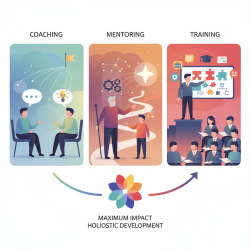
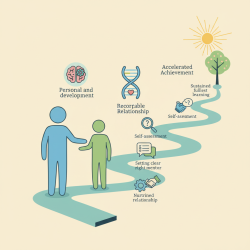
Mentorship takes various forms, each offering unique advantages. Understanding the distinction between formal and peer-to-peer mentorship is the first step in designing a comprehensive strategy. Formal mentorship typically involves a structured, often long-term relationship between a more experienced individual and a less experienced one, with defined goals and expectations. These programs are usually managed by the organization and may include specific training and resources.
Peer-to-peer mentorship, conversely, is more informal and often arises organically. It involves individuals at similar career stages or with comparable experience levels sharing insights, providing support, and collaborating on challenges. This type of mentorship thrives on mutual benefit and shared learning experiences, promoting a sense of camaraderie and collective problem-solving within teams and across departments.
Building Blocks of a Strong Mentoring Culture
Creating an effective mentoring culture requires more than just launching a program; it demands foundational elements that support and sustain it.
- Leadership Buy-in and Advocacy: Executive leadership must visibly champion mentoring initiatives, participating themselves where appropriate, and allocating necessary resources. Their support signals the strategic importance of mentorship throughout the organization.
- Clear Objectives and Purpose: Define what success looks like for your mentoring efforts. Are you aiming for skill development, leadership pipeline growth, onboarding support, or improved employee retention? Clear objectives guide program design and evaluation.
- Comprehensive Training for All Participants: Both mentors and mentees benefit from training. Mentors need guidance on effective communication, active listening, goal setting, and providing constructive feedback. Mentees should understand how to articulate their goals, take initiative, and maximize the value of the relationship.
Strategies for Formal Mentorship Programs
To ensure formal programs are impactful and sustainable, a structured approach is essential.
- Thoughtful Matching Process: Rather than random assignments, use surveys, interviews, or personality assessments to pair mentors and mentees based on shared interests, career goals, and complementary skills. Compatibility is key to a productive relationship.
- Defined Program Structure: Establish a clear duration for the program (e.g., six months, one year) and suggest meeting frequency (e.g., monthly, bi-weekly). While flexibility is important, a framework provides guidance and accountability.
- Provide Resources and Ongoing Support: Offer tools like conversation starters, goal-setting templates, and regular check-ins from program administrators. Facilitate workshops or group sessions for mentors to share best practices and challenges.
- Establish Clear Communication Channels: Ensure participants know who to contact for support, questions, or if issues arise within their mentoring relationship.
- Evaluation and Feedback Mechanisms: Regularly collect feedback from both mentors and mentees through surveys or exit interviews. Use this data to assess program effectiveness, identify areas for improvement, and demonstrate ROI.
Fostering Peer-to-Peer Mentorship
While formal programs are structured, peer-to-peer mentorship often requires cultivating an environment where it can naturally flourish.
- Create Informal Interaction Opportunities: Organize "coffee roulette" where employees are randomly paired for casual coffee breaks; Host "lunch & learns" where colleagues share expertise on various topics; Facilitate project-based collaboration that naturally encourages knowledge exchange; Utilize internal communication platforms for topic-specific interest groups.
- Encourage Cross-Functional Engagement: Break down departmental silos by creating projects or social events that require interaction across different teams. This broadens perspectives and fosters diverse peer relationships.
- Champion a Culture of Openness and Sharing: Leadership should model vulnerability and demonstrate that asking for help and sharing knowledge are valued behaviors. Recognize and celebrate individuals who actively engage in peer-to-peer learning.
- Provide Platforms for Knowledge Sharing: Implement internal wikis, discussion forums, or regular "show-and-tell" sessions where employees can present their work, share insights, and ask for input from peers.
Overcoming Common Challenges
Even with the best intentions, mentoring programs can face hurdles.
- Time Constraints: Acknowledge that employees are busy. Emphasize that even short, focused interactions can be valuable. Encourage leadership to protect time for mentoring activities.
- Lack of Engagement: If participation wanes, re-evaluate program design. Is it relevant? Are the benefits clear? Consider incentives or recognition for active mentors and mentees. Ensure matching is effective.
- Measuring Success: Beyond anecdotal evidence, define key performance indicators (KPIs) such as employee retention rates, promotion rates for mentees, skill development metrics, or internal mobility. Use feedback surveys to gauge satisfaction and perceived value.
Conclusion
Establishing a thriving mentoring culture within an organization is a powerful strategy for driving employee development, knowledge transfer, and retention. By understanding the distinct advantages of both formal, structured programs and informal, organic peer-to-peer interactions, companies can design a comprehensive approach. Key to success are strong leadership advocacy, clear program objectives, comprehensive training, thoughtful matching, ongoing support, and continuous evaluation. Overcoming challenges such as time constraints and engagement issues requires adaptability and a commitment to nurturing an environment where learning and mutual support are deeply ingrained in the organizational DNA, ultimately fostering a more skilled, engaged, and loyal workforce.
Comprehension questions
 What are the key differences between formal and peer-to-peer mentorship programs?Which foundational elements are essential for building a strong mentoring culture within an organization?Name two specific strategies for improving the effectiveness of formal mentorship programs.How can organizations encourage more informal peer-to-peer mentorship opportunities?
Community Poll
Next Lesson

Course Contents : Coaching, Mentoring, and Training for Software Engineering Managers
- >> 5.
 Strategies for a Thriving Mentoring Culture