Navigating Difficult Conversations with Skill and Empathy
- -->> 11. Navigating Difficult Conversations with Skill and Empathy
What you'll learn
 Coaching MindsetConflict ResolutionPerformance FeedbackEmpathetic Communication
In any professional setting, difficult conversations and interpersonal conflicts are inevitable. These moments, while often uncomfortable, present crucial opportunities for growth, understanding, and strengthening relationships. Rather than shying away from them or approaching them defensively, adopting a coaching mindset can transform these challenging interactions into productive dialogues that lead to lasting resolution and improved outcomes. This approach empowers individuals, fosters accountability, and builds a more resilient and collaborative team environment.
Understanding the Roots of Conflict and Performance Issues
Before diving into resolution, it's essential to understand why conflicts and performance issues arise. Often, they stem from a combination of factors including miscommunication, unclear expectations, differing work styles, resource scarcity, or unresolved past grievances. Performance challenges might be rooted in a lack of skills, motivation, feedback, or clarity regarding responsibilities. Recognizing these underlying causes is the first step towards a constructive conversation.
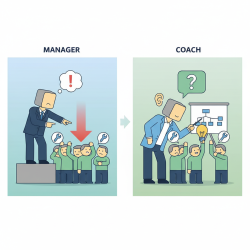
A coaching mindset encourages leaders and colleagues to look beyond surface-level symptoms and explore the deeper motivations or systemic issues contributing to the problem. It shifts the focus from "what went wrong" to "what needs to happen now and in the future."
Key Coaching Principles for Difficult Conversations
Applying coaching principles during difficult conversations fundamentally changes their dynamic. Here are some core tenets:
- Curiosity Over Judgment: Approach the conversation with genuine interest in understanding the other person's perspective, rather than coming in with preconceived notions or judgments.
- Focus on Solutions, Not Blame: Orient the discussion towards identifying future-focused solutions and shared responsibilities, rather than dwelling on past mistakes or assigning fault.
- Empowerment and Ownership: Encourage the other person to take ownership of their role in the situation and to contribute actively to finding solutions, rather than being told what to do.
- Active Listening: Dedicate full attention to hearing and understanding what is being said, both verbally and non-verbally, without interrupting or formulating your response.
- Powerful Questions: Use open-ended questions that encourage reflection, insight, and problem-solving, moving beyond simple "yes" or "no" answers.
Strategies for Addressing Performance Challenges
When addressing performance issues, a coaching approach focuses on development rather than simply disciplinary action. Begin by clearly stating the observed behavior or performance gap, using specific examples rather than generalizations. Frame the conversation around the impact of the behavior on team goals, customers, or colleagues.
Then, invite the individual to share their perspective. Ask open-ended questions like, "What do you think is contributing to this?" or "What challenges are you facing?" This fosters a sense of psychological safety and encourages them to open up. Collaborate on creating an action plan with clear, measurable goals and agreed-upon support or resources. Schedule follow-up discussions to track progress and offer ongoing guidance.
Navigating Interpersonal Conflicts
Interpersonal conflicts often carry a significant emotional charge. The coaching approach here is to act as a facilitator, helping parties understand each other's perspectives and find common ground. Avoid taking sides or imposing solutions. Instead, create a safe space for open dialogue.
Encourage each individual to articulate their feelings and needs respectfully. Focus on identifying shared interests or common objectives that can serve as a foundation for resolution. For instance, both parties likely want a productive work environment, even if their methods differ. Guide them towards collaboratively developing solutions that address the needs of all involved, emphasizing mutual respect and future collaboration.
The Role of Empathy and Active Listening
Empathy is the ability to understand and share the feelings of another. In difficult conversations, it means stepping into their shoes, even if you don't agree with their actions. When someone feels understood, their defensiveness often decreases, opening the door for more productive dialogue.
Active listening goes hand-in-hand with empathy. It involves truly hearing what is being communicated, reflecting back what you've heard to confirm understanding, and asking clarifying questions. This not only ensures you grasp their message accurately but also demonstrates respect and validates their experience, which are crucial for building trust and rapport in challenging situations.
Actionable Steps for Resolution
To effectively navigate these conversations, a structured approach can be beneficial:
- Prepare Mentally: Clarify your own objective for the conversation and anticipate potential responses. Maintain a calm, neutral demeanor.
- Set the Stage: Choose a private, neutral location and ensure ample time. State the purpose of the meeting clearly and constructively.
- State Observations Objectively: Describe the specific behavior or situation without judgment. Focus on "what" happened and its "impact," not on "why" or character assessments.
- Listen Actively and Empathetically: Allow the other person to speak without interruption. Ask clarifying questions and reflect their feelings and points to show you've heard them.
- Explore Solutions Collaboratively: Shift from problem identification to solution generation. Ask, "What do you think would help resolve this?" or "What actions can we both take?"
- Agree on Next Steps: Clearly define responsibilities, timelines, and measurable outcomes. Summarize the agreed-upon actions.
- Follow Up: Periodically check in on progress and offer continued support or adjustment if needed. This reinforces accountability and commitment.
Conclusion
Navigating difficult conversations and resolving conflicts through a coaching mindset is not about avoiding discomfort, but about embracing it as a catalyst for positive change. By employing principles of curiosity, active listening, empathy, and collaborative problem-solving, leaders and team members can transform potentially destructive interactions into opportunities for deeper understanding, enhanced performance, and stronger relationships. This approach ultimately fosters a workplace culture built on trust, respect, and continuous improvement, where challenges are met with skill and a shared commitment to progress.
Comprehension questions
 What are some common roots of workplace conflict and performance issues as discussed in the article?Name three key coaching principles that can be applied to difficult conversations.How does the article suggest addressing performance challenges using a coaching mindset?What role do empathy and active listening play in navigating both performance issues and interpersonal conflicts?
Review Quiz
Next Lesson
Course Contents : Coaching, Mentoring, and Training for Software Engineering Managers
- >> 11.
 Navigating Difficult Conversations with Skill and Empathy