Strategic Skill Gap Analysis for Engineers
- -->> 6. Strategic Skill Gap Analysis for Engineers
What you'll learn
 The Importance of Strategic Skill Gap AnalysisMethods for Identifying Current Skill GapsForecasting Future Skill RequirementsDesigning Targeted and Impactful Training
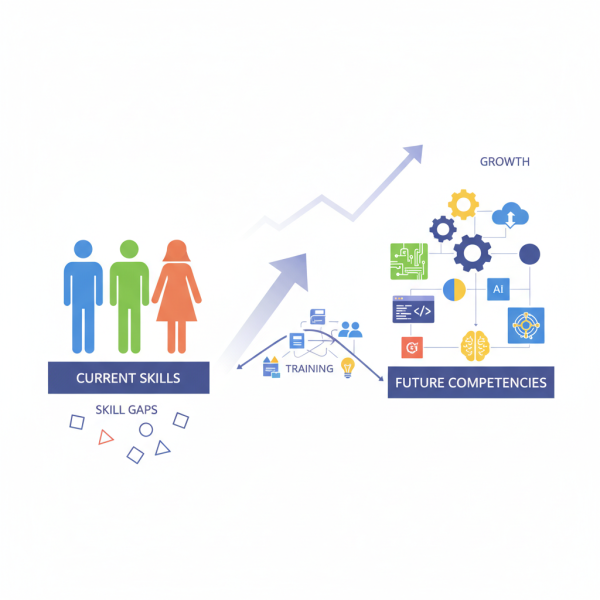
Effectively assessing training needs and identifying skill gaps is paramount to an engineering team's success, directly impacting project efficiency, innovation, and overall competitive advantage. This article explores comprehensive methods for pinpointing existing deficiencies, forecasting future requirements, and designing targeted training initiatives that are both impactful and sustainable.
The Importance of Strategic Skill Gap Analysis
A proactive approach to skill gap analysis transcends merely reacting to immediate project needs. It’s about building a resilient, adaptable engineering workforce. Understanding where your team currently stands and where it needs to be allows organizations to allocate resources efficiently, prevent project bottlenecks, and foster a culture of continuous learning. Neglecting this crucial step can lead to project delays, reduced quality, increased employee turnover, and a diminished capacity for innovation.
Strategic skill gap analysis ensures that investments in training yield tangible returns, aligning individual development with organizational goals. It empowers team leads and managers to make data-driven decisions regarding professional development, ensuring that every training hour contributes directly to enhancing the team's collective capability.
Methods for Identifying Current Skill Gaps
Identifying present skill gaps requires a multi-faceted approach, combining quantitative data with qualitative insights. Relying on a single method often provides an incomplete picture. A holistic assessment integrates several techniques to paint a clearer portrait of the team's current capabilities.
-
Employee Self-Assessments and Surveys: These provide valuable insights into how engineers perceive their own strengths and weaknesses, often revealing areas where they feel less confident or desire further development. Anonymous surveys can encourage candid responses.
-
Manager and Peer Reviews: Performance reviews, especially 360-degree feedback, offer external perspectives on an individual's technical proficiency, problem-solving abilities, and collaboration skills. Managers often have a clear view of where team members struggle or excel in day-to-day tasks.
-
Technical Assessments and Coding Challenges: For specific technical roles, practical assessments, coding challenges, or pair programming sessions can objectively measure proficiency in particular programming languages, frameworks, or tools.
-
Project Post-Mortems and Retrospectives: Analyzing past projects can uncover recurring skill-related challenges that impacted delivery, quality, or efficiency. Identifying bottlenecks or repeated errors often points to collective skill deficiencies within the team.
-
Role-Based Skill Matrix: Creating a matrix that maps required skills for each role against current employee proficiencies can quickly visualize gaps across the team. This offers a clear, actionable overview of where training is most needed.
Forecasting Future Skill Requirements
Identifying future skill needs requires looking beyond the immediate horizon and anticipating industry shifts, technological advancements, and strategic business objectives. This forward-thinking approach ensures that training programs are not just reactive but truly prepare the team for what's next.
-
Strategic Business Objectives: Understanding the company's long-term vision and upcoming product roadmaps is critical. If the company plans to enter new markets or develop new product lines, what new technologies or methodologies will be required?
-
Industry Trends and Emerging Technologies: Regularly monitor industry publications, attend conferences, and engage with professional networks to stay abreast of emerging technologies (e.g., AI/ML, blockchain, serverless architectures) that could become essential for future projects.
-
Competitive Analysis: Observe what skills top competitors are investing in or advertising in job descriptions. This can offer clues about future industry-standard competencies.
-
Technology Roadmaps: Collaborate with product management and architecture teams to understand upcoming technology migrations, platform changes, or infrastructure shifts that will necessitate new skills.
Designing Targeted and Impactful Training
Once skill gaps are identified, the next step is to design training programs that are not just comprehensive but also highly targeted and impactful. Generic training often fails to address specific needs and can be a wasteful use of resources.
Customized Learning Paths: Instead of one-size-fits-all training, create personalized learning paths based on individual and team-specific gaps. This might involve a mix of online courses, workshops, certifications, and hands-on projects.
Blended Learning Approaches: Combine various learning modalities, such as instructor-led sessions for complex topics, self-paced online modules for foundational knowledge, and practical assignments for skill application. This caters to diverse learning styles.
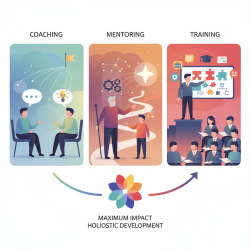
Mentorship and Peer Learning: Encourage experienced engineers to mentor junior colleagues. Establish internal knowledge-sharing sessions, code reviews, and communities of practice to facilitate peer-to-peer learning and foster a collaborative growth environment.
Project-Based Learning: Integrate training directly into project work. Assign engineers to tasks or mini-projects that require them to learn and apply new skills under guidance. This provides immediate context and practical experience.
Measuring Training Effectiveness: Establish clear metrics to evaluate the success of training programs. This could include pre- and post-training assessments, feedback surveys, impact on project metrics (e.g., bug reduction, feature delivery speed), and long-term career progression of participants. Regular evaluation allows for continuous improvement of training initiatives.
Conclusion
Assessing training needs and skill gaps is not a one-time event but an ongoing, iterative process crucial for the sustained success of engineering teams. By systematically identifying current deficiencies and proactively forecasting future requirements, organizations can design targeted and impactful training programs. This strategic investment in continuous learning not only enhances individual capabilities and team performance but also strengthens the company's ability to innovate, adapt, and thrive in an ever-evolving technological landscape, ensuring a skilled, future-ready workforce.
Comprehension questions
 Why is a proactive approach to skill gap analysis considered important for engineering team success?What are three different methods mentioned in the article for identifying current skill gaps?According to the article, what key factors should be considered when forecasting an engineering team's future skill requirements?How can training programs be designed to be both targeted and impactful for engineering teams?
Community Poll
Next Lesson

Course Contents : Coaching, Mentoring, and Training for Software Engineering Managers
- >> 6.
 Strategic Skill Gap Analysis for Engineers