Constructive Feedback for Individual and Team Growth
- -->> 3. Constructive Feedback for Individual and Team Growth
What you'll learn
 Intentional FeedbackSTAR MethodBehavioral FocusContinuous Support
Constructive feedback is a cornerstone of professional development and organizational success. It's far more than just pointing out flaws; it's a strategic tool designed to guide individuals and teams toward higher performance and continuous improvement. Mastering this art transforms feedback from a dreaded critique into a powerful catalyst for growth, strengthening relationships and fostering a culture of openness and shared progress. This article explores the principles and practical techniques for delivering feedback that truly makes a difference, turning potential weaknesses into opportunities for advancement.
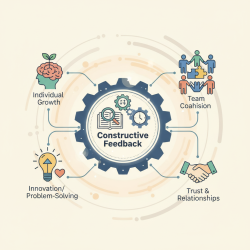
Why Constructive Feedback Matters
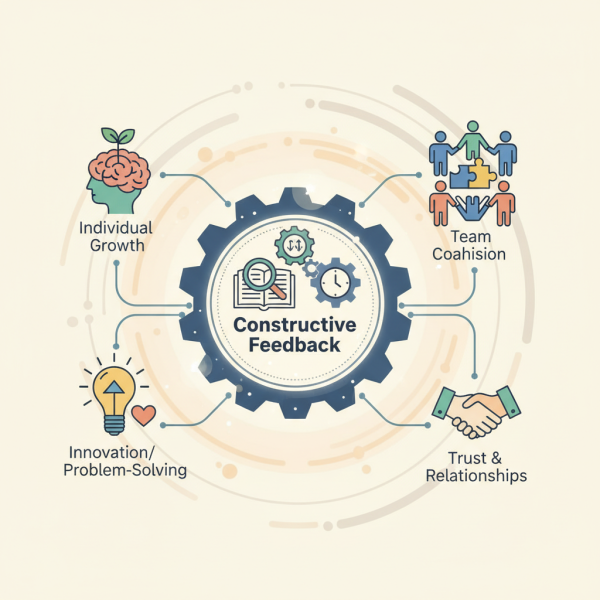
Effective feedback is crucial for individual development, offering insights that enhance self-awareness and refine skills. It provides a mirror, helping individuals understand the impact of their actions and identify areas where they can grow. Without it, employees might unknowingly repeat behaviors that hinder their progress or team objectives.
On a team level, constructive feedback fosters stronger collaboration and problem-solving. It opens channels for honest communication, allowing teams to address inefficiencies, resolve conflicts, and innovate more effectively. When team members feel safe giving and receiving feedback, they become more cohesive and resilient.
For organizations, a culture of constructive feedback cultivates trust, transparency, and continuous learning. It signals that development is valued, encouraging employees to take ownership of their professional journey. This ultimately leads to increased engagement, higher retention rates, and a more adaptive workforce.
- Improved individual performance and skill development.
- Enhanced team cohesion and problem-solving abilities.
- Accelerated learning and adaptation within the organization.
- Increased employee engagement and job satisfaction.
- Stronger relationships built on trust and mutual respect.
The Foundations of Effective Feedback
The intent behind your feedback is paramount: it should always be to help and support the recipient's growth, never to criticize or demean. Approaching the conversation with a positive, developmental mindset ensures the message is received constructively, even if it highlights areas for improvement.
Timeliness is another critical factor. Deliver feedback as close to the event or behavior as possible. This ensures the details are fresh in everyone's mind, making the feedback more relevant and actionable. Waiting too long can diminish its impact and make it harder for the recipient to recall the specific situation.
Specificity is non-negotiable. General feedback like "You need to communicate better" is unhelpful. Instead, provide concrete examples of the behavior, detailing the situation and its impact. This allows the recipient to understand exactly what needs to change and how.
Always focus on the behavior, not the person. Frame your feedback around observable actions and their outcomes, rather than making judgments about someone's personality or character. This depersonalizes the feedback, making it easier for the recipient to accept and act upon.
- Intentionality: Always aim to help and foster growth.
- Timeliness: Deliver feedback promptly after the event.
- Specificity: Provide clear, concrete examples.
- Behavioral Focus: Address actions, not personal traits.
- Action-Oriented: Suggest next steps or a path forward.
Crafting Your Message: Practical Steps
When delivering feedback, use "I" statements. For example, say "I observed that during the meeting, you interrupted Sarah several times," instead of "You always interrupt people." This takes ownership of your observation and feelings, making the feedback feel less accusatory.
The STAR method provides an excellent framework for structuring your feedback: Situation, Task, Action, Result. Describe the specific situation, the task involved, the action the person took, and the result or impact of that action. This ensures clarity and provides context for the recipient.
While balancing positive and developmental feedback is good practice, avoid the "feedback sandwich" if it feels disingenuous. Instead, strive for genuine balance by offering sincere recognition when it's due and addressing areas for improvement directly and thoughtfully.
Focus on one or two key areas for improvement at a time. Overwhelming the recipient with too much feedback can be demotivating and make it difficult for them to prioritize. Choose the most critical areas that will have the biggest impact on their performance or growth.
Collaborate on potential solutions or next steps. Rather than just identifying a problem, engage the recipient in finding ways to address it. This fosters a sense of ownership and commitment to change, making the feedback a shared journey towards improvement.
Delivery Matters: The Art of the Conversation
Choose the right setting for your feedback conversation. A private, quiet environment, free from interruptions, is ideal. This shows respect for the individual and allows for an open and honest dialogue without fear of embarrassment or distraction.
Adopt a coaching mindset. Approach the conversation as a collaborative problem-solving session, not a disciplinary one. Your role is to guide and support, helping the individual discover their own solutions rather than simply dictating what they should do.
Listen actively to the recipient's perspective. After delivering your feedback, give them ample opportunity to respond, ask questions, and share their point of view. Acknowledging their feelings and understanding their context is vital for building trust and ensuring the feedback resonates.
Be empathetic and acknowledge any potential difficulties or challenges the individual might be facing. Showing understanding can significantly reduce defensiveness and open the door for a more productive exchange. Empathy doesn't mean excusing behavior, but recognizing human factors.
Maintain a calm and objective tone throughout the conversation. Avoid emotional language, sarcasm, or judgment. A professional and respectful demeanor ensures the focus remains on the behavior and its impact, not on personal feelings or frustrations.
Following Up and Fostering Growth
Schedule a follow-up conversation to check in on progress and offer continued support. This demonstrates your commitment to their development and reinforces the idea that feedback is part of an ongoing growth process, not a one-time event. Review the agreed-upon actions and celebrate milestones.
Acknowledge and reinforce positive changes and improvements. Celebrating small victories can be incredibly motivating and encourages the individual to continue applying the feedback. Publicly recognize effort and results where appropriate, maintaining privacy for the initial feedback discussion.
Offer continued support, guidance, and resources. Whether it's connecting them with a mentor, suggesting training materials, or providing additional time for a task, ensure they have the tools and assistance needed to succeed. Your support is crucial for translating feedback into tangible growth.
Integrate feedback into ongoing processes, making it a regular and natural part of your interactions. Regular check-ins and performance discussions, rather than infrequent formal reviews, foster a continuous feedback loop and normalize developmental conversations.
Lead by example by openly soliciting and accepting feedback yourself. When you demonstrate vulnerability and a commitment to your own growth, you create a safe environment where others feel comfortable both giving and receiving constructive input. This reinforces a positive feedback culture.
Summary
Mastering constructive feedback is an indispensable skill for cultivating a thriving, high-performing environment. By adhering to principles of timeliness, specificity, and a behavioral focus, and by employing structured approaches like the STAR method, feedback can transcend mere critique to become a powerful mechanism for individual and collective improvement. Delivered with empathy, a coaching mindset, and followed by consistent support, it builds trust, enhances communication, and ultimately drives sustainable growth and superior performance across the organization.
Comprehension questions
 Why is the intent behind delivering feedback considered paramount?What does the acronym STAR stand for, and how is it used in crafting constructive feedback?Besides timeliness and specificity, name two other foundational principles of effective feedback discussed in the article.Why is it important to adopt a coaching mindset and listen actively during a feedback conversation?
Community Poll
Next Lesson
Course Contents : Inspiring and Motivating Software Engineers
- >> 3.
 Constructive Feedback for Individual and Team Growth