Cultivating Clear Career Paths and Skill Enhancement
- -->> 4. Cultivating Clear Career Paths and Skill Enhancement
What you'll learn
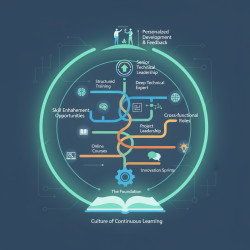
 Transparent Career PathsSkill Enhancement ProgramsPersonalized Development PlansCulture of Continuous Learning
Retaining top engineering talent is paramount for any organization striving for innovation and sustained success. Engineers are not merely seeking employment; they desire environments that foster continuous learning, personal development, and tangible opportunities for advancement. Without clear career progression paths and robust skill enhancement programs, even the most passionate engineers can become disengaged, leading to high turnover rates and a significant loss of institutional knowledge. Cultivating an environment where growth is actively supported is therefore not just a perk, but a strategic imperative. This article explores strategies to develop such pathways and opportunities, ensuring engineers remain engaged, challenged, and committed to their professional journey within an organization.
A fundamental step in keeping engineers engaged is providing transparent and well-defined career progression paths. These paths should illustrate not only vertical advancement into more senior technical or leadership roles but also highlight horizontal moves into new domains or specialist tracks. Ambiguity about "what's next" can be a significant source of frustration. Organizations must clearly articulate the skills, experiences, and competencies required for each level of advancement. This clarity empowers engineers to take ownership of their development.
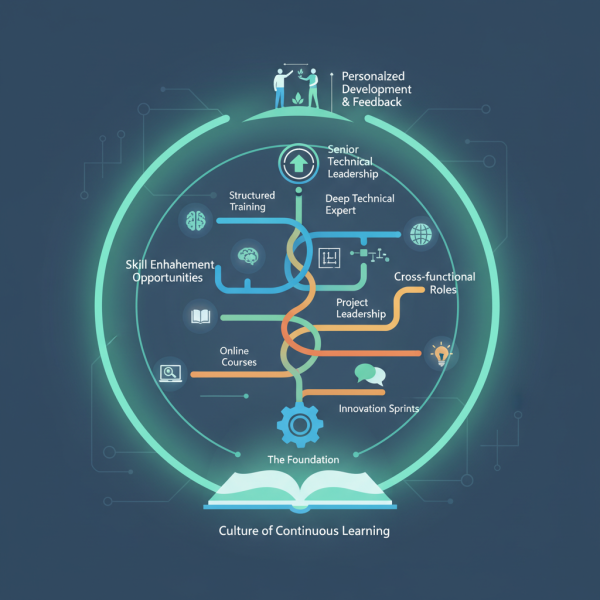
These paths should ideally be multi-faceted, recognizing that not all engineers aspire to management. Some may wish to become deep technical experts (individual contributors), while others may gravitate towards project leadership, architecture, or even cross-functional roles. Providing multiple avenues for growth demonstrates an understanding of diverse aspirations and leverages individual strengths effectively. Regular reviews of these frameworks ensure they remain relevant to both industry standards and the company's evolving needs.
Empowering Growth Through Skill Enhancement Opportunities
Clear paths are only effective if accompanied by tangible opportunities for skill enhancement. Continuous learning is no longer a luxury but a necessity in the fast-paced tech world. Organizations must invest in programs that allow engineers to acquire new skills, deepen existing ones, and stay abreast of emerging technologies. This investment signals that the company values their growth and is committed to their long-term success.
- Structured Training Programs: Internal workshops, brown bag sessions, and dedicated training courses on new technologies, frameworks, or soft skills like communication and project management.
- External Learning Resources: Budget allocation for online courses (e.g., Coursera, Udemy, Pluralsight), industry certifications, conferences, and technical books.
- Mentorship and Coaching: Pairing experienced engineers with junior staff, or offering leadership coaching to those transitioning into management roles.
- Cross-functional Projects: Opportunities to work outside their immediate team, gaining exposure to different technologies, business domains, and collaboration styles.
- Innovation Sprints and Hackathons: Dedicated time and resources for engineers to explore new ideas, prototype solutions, and experiment with emerging tools. This fosters creativity and provides a safe space for learning.
Personalized Development and Constructive Feedback
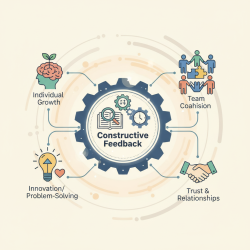
While organizational structures provide a framework, individual growth is highly personal. Tailoring development plans to each engineer's aspirations, strengths, and areas for improvement is crucial. This begins with regular, honest, and constructive feedback sessions, not just annual reviews. Managers play a pivotal role here, acting as guides and advocates for their team members' development.
Personalized growth plans should involve setting SMART (Specific, Measurable, Achievable, Relevant, Time-bound) goals that align with both the engineer's career path and the company's objectives. These goals might include mastering a new programming language, leading a small project, or presenting at an internal tech talk. Consistent check-ins help track progress, adjust plans as needed, and provide ongoing encouragement. Recognizing and celebrating milestones, however small, reinforces positive behavior and motivates continued effort.
Cultivating a Culture of Continuous Learning
Ultimately, the success of career progression and skill enhancement initiatives hinges on the underlying organizational culture. Leadership must champion a culture where learning is not only encouraged but expected and celebrated. This means senior engineers and managers actively participate in learning initiatives, share their knowledge, and model the behavior they wish to see.
A healthy learning culture also embraces experimentation and views failure as a learning opportunity, rather than something to be avoided or punished. Allocating dedicated time for learning, even if it's just a few hours a week, demonstrates a concrete commitment. Furthermore, ensuring that development is adequately budgeted for, both in terms of financial resources and time investment, sends a clear message about its priority. When engineers see their peers and leaders continuously evolving, they are far more likely to invest in their own growth.
Summary
Developing clear career progression paths and robust opportunities for skill enhancement are indispensable for engaging and retaining engineering talent. This article highlighted the importance of transparent career frameworks that cater to diverse aspirations, the necessity of investing in varied skill enhancement programs like structured training and mentorship, the value of personalized development plans supported by continuous feedback, and the critical role of a supportive organizational culture that champions continuous learning. By implementing these strategies, companies can foster an environment where engineers not only thrive professionally but also contribute significantly to the organization's long-term innovation and success.
Comprehension questions
 Why is providing clear career progression paths important for retaining engineering talent?What are at least three different types of opportunities an organization can offer for skill enhancement?How do personalized development plans and constructive feedback contribute to an engineer's growth?What role does organizational culture play in the success of engineer engagement and development initiatives?
Community Poll
Next Lesson
Course Contents : Inspiring and Motivating Software Engineers
- >> 4.
 Cultivating Clear Career Paths and Skill Enhancement