Understanding the Engineering Mind: A Guide to Effective Leadership
- -->> 1. Understanding the Engineering Mind: A Guide to Effective Leadership
What you'll learn
 Engineer PsychologyTailored LeadershipMotivation & AutonomyPsychological Safety
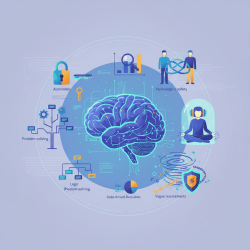
Leading software engineers effectively requires more than just technical acumen or project management skills; it demands a profound understanding of their unique psychological landscape. Software engineers often possess distinct cognitive patterns, motivations, and preferences that, when recognized and leveraged, can transform a team's productivity, innovation, and morale. Ignoring these foundational psychological aspects can lead to disengagement, frustration, and ultimately, a less effective engineering team. By delving into the core drivers and tendencies of engineers, leaders can tailor their approaches, build stronger relationships, and cultivate an environment where creativity and problem-solving flourish.
The Engineer's Mindset: A Deep Dive
Software engineers are, at their core, builders and problem-solvers. Their intrinsic motivation often stems from the satisfaction of creating elegant solutions to complex challenges. This isn't just a job; it's a craft that demands intellectual curiosity and a methodical approach.
A Love for Logic and Systems
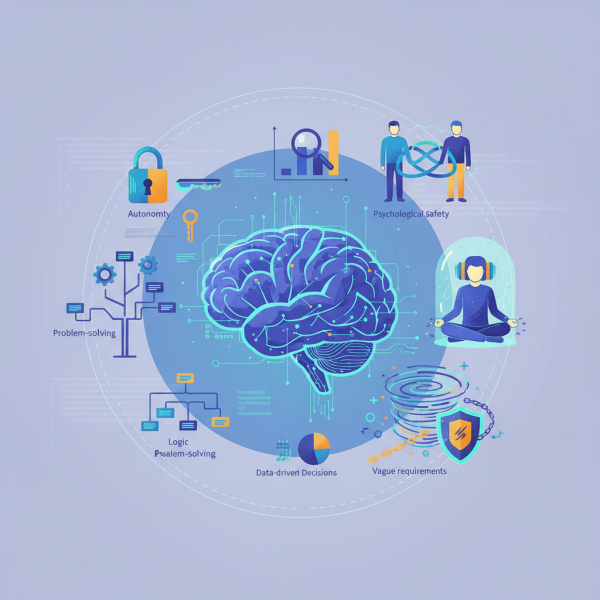
Engineers thrive on logic and and structured systems. They are drawn to the predictable cause-and-effect relationships inherent in code and architecture. Ambiguity is often a source of discomfort, as it contradicts their natural inclination towards precision and deterministic outcomes. Leaders should strive for clear requirements and well-defined problems, providing the necessary context for engineers to engage their logical minds.
Autonomy and Mastery
The drive for autonomy and mastery is particularly strong within engineering roles. Engineers want the freedom to choose how they solve problems and to continuously improve their skills. They are lifelong learners in a rapidly evolving field. Providing opportunities for professional development, encouraging experimentation, and delegating significant ownership can greatly enhance their job satisfaction and output.
Data-Driven Decisions
Abstract discussions without supporting data can be frustrating for engineers. They prefer concrete evidence, metrics, and objective analysis to inform decisions. When presenting new ideas, changes, or feedback, grounding your communication in data will resonate more effectively and build trust.
Tendencies Towards Deep Work
Many engineers exhibit tendencies towards introversion, not necessarily in a social sense, but in their need for focused, uninterrupted "deep work." Coding, debugging, and architectural design are cognitively demanding tasks that require sustained concentration. Frequent interruptions, open-plan office distractions, and excessive meetings can severely impede their productivity and mental well-being.
Tailoring Your Leadership Approach
Understanding these psychological traits allows leaders to craft strategies that empower and motivate their engineering teams.
Empower Through Autonomy
Instead of dictating solutions, present the problem and empower your team to devise the best approach. Define clear objectives and outcomes, then trust your engineers with the "how." This fosters ownership and innovative thinking.
Cultivate Mastery and Growth
- Provide dedicated time for learning and skill development, whether through courses, conferences, or internal knowledge sharing.
- Encourage technical exploration and allow for experimentation with new tools or technologies.
- Offer challenging projects that push their capabilities, paired with supportive mentorship.
Communicate with Clarity and Data
When communicating, be precise. Avoid jargon where possible, or explain it clearly. Support your arguments with data, metrics, or logical reasoning. Constructive feedback should be specific, actionable, and tied to observable behaviors or outcomes rather than vague impressions.
Respect Focus and Deep Work
Protect your engineers' time. Implement strategies to minimize interruptions, such as designating "no-meeting" blocks, encouraging asynchronous communication, and advocating for quiet work environments. Understand that silence often signifies intense productivity, not idleness.
Foster Psychological Safety
Engineers need to feel safe to experiment, fail, and admit mistakes without fear of punitive repercussions. A culture of psychological safety encourages risk-taking, open discussion of technical challenges, and candid feedback, all of which are essential for innovation and continuous improvement. Leaders must model this behavior themselves.
Common Pitfalls to Avoid
Several common leadership mistakes can quickly demotivate and disengage engineering teams:
- Micromanagement: Dictating every step suffocates creativity and diminishes autonomy.
- Vague Requirements: Providing unclear or constantly shifting goals leads to frustration and wasted effort.
- Ignoring Technical Debt: Prioritizing new features endlessly over addressing technical debt signals a lack of respect for craftsmanship and long-term stability.
- Lack of Growth Opportunities: Stagnation is a serious demotivator for individuals driven by mastery.
- Dismissing "Why" Questions: Engineers often seek to understand the purpose behind a task. Dismissing these questions can lead to compliance without conviction.
Summary
Effective leadership for software engineers is deeply rooted in understanding their inherent psychological traits: their love for logic, need for autonomy and mastery, preference for data-driven decisions, and requirement for deep, uninterrupted work. By tailoring leadership approaches to empower autonomy, foster continuous learning, communicate with clarity and data, protect focus, and build psychological safety, leaders can unlock the full potential of their engineering teams. Avoiding common pitfalls like micromanagement and vague instructions further reinforces a positive and productive environment, ensuring high morale and sustained innovation.
Comprehension questions
 Why is understanding the unique psychological landscape of software engineers crucial for effective leadership?What three intrinsic motivations or preferences commonly drive software engineers, and how can leaders leverage them?List three specific strategies a leader can employ to tailor their approach to an engineering team based on their psychological needs.What are some common leadership pitfalls that can demotivate software engineers, according to the article?
Review Quiz
Next Lesson

Course Contents : Inspiring and Motivating Software Engineers
- >> 1.
 Understanding the Engineering Mind: A Guide to Effective Leadership