Defining a Positive and Inclusive Culture
- -->> 9. Defining a Positive and Inclusive Culture
What you'll learn
 Defining a Positive and Inclusive CultureFoundations of CollaborationFostering Mutual RespectCultivating a Shared Sense of Purpose
The success of any team hinges not just on individual talent or strategic foresight, but profoundly on the quality of its internal culture. A positive and inclusive team culture is the bedrock upon which high performance, innovation, and resilience are built. Such an environment goes beyond mere camaraderie; it actively promotes collaboration, cultivates deep respect among members, and instills a powerful shared sense of purpose. This article explores the essential elements and practical strategies for fostering such a vital and thriving team culture, recognizing its indispensable role in achieving sustained organizational success.
Defining a Positive and Inclusive Culture
A positive team culture is one where members feel safe, valued, and empowered to contribute their best. It's characterized by openness, psychological safety, and a belief that everyone's voice matters. Inclusivity ensures that every team member, regardless of their background, identity, or role, feels a genuine sense of belonging and can participate fully without fear of judgment. This combination fosters an environment where diverse perspectives are not just tolerated but actively sought out and celebrated, enriching problem-solving and decision-making processes significantly.
Foundations of Collaboration
Collaboration is more than just working together; it's a synergistic process where individuals combine their unique strengths and insights to achieve a common goal. Effective collaboration requires transparent communication channels and a willingness to share knowledge freely. It thrives when team members trust each other's competencies and intentions. Encouraging cross-functional projects and creating opportunities for inter-departmental interaction can significantly bolster collaborative spirits.
Key elements for fostering collaboration include:
- Open and honest communication, ensuring everyone is informed and heard.
- Shared goals and clear roles, so individuals understand how their work contributes.
- Mutual accountability, where team members support each other's progress.
- Accessible platforms and tools that facilitate easy information sharing.
Fostering Mutual Respect
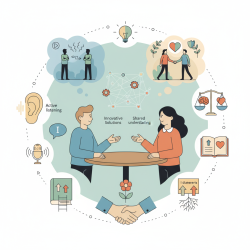
Respect is the cornerstone of any healthy relationship, professional or otherwise. In a team setting, mutual respect means valuing each person's unique contributions, perspectives, and experiences. It involves listening actively, even when opinions differ, and engaging in constructive dialogue rather than dismissive criticism. Leaders play a crucial role in modeling respectful behavior, setting the standard for how team members interact with one another and with stakeholders.
Cultivating respect also involves recognizing and celebrating diversity in all its forms. Understanding and appreciating different working styles, cultural backgrounds, and communication preferences can prevent misunderstandings and build stronger bonds. Establishing clear guidelines for respectful interaction and providing training on unconscious bias can help ensure that every team member feels respected and heard.
Cultivating a Shared Sense of Purpose
A team without a clear purpose is like a ship without a compass. A shared sense of purpose provides direction, motivation, and a powerful unifying force. It involves articulating a compelling vision and mission that resonates with every team member, helping them understand how their individual efforts contribute to the larger organizational goals. When individuals see the impact of their work and feel connected to something bigger than themselves, engagement and commitment naturally increase.
Leaders must consistently communicate the team's purpose, tying daily tasks back to the overarching objectives. Regular reviews of progress towards collective goals can reinforce this shared understanding and celebrate collective achievements. This alignment transforms routine tasks into meaningful contributions, fostering a collective drive toward success.
Leadership's Role in Culture Building
Leaders are the primary architects of team culture. Their behaviors, decisions, and communication styles directly influence the environment they create. Effective leaders lead by example, embodying the values of collaboration, respect, and shared purpose they wish to see in their team. They must be intentional about fostering psychological safety, empowering team members, and providing consistent recognition for contributions.
Key leadership actions for culture building:
- Model desired behaviors, demonstrating integrity and empathy.
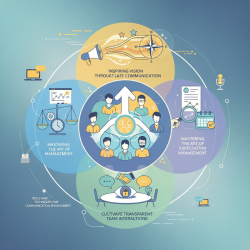
- Communicate transparently and frequently about vision and expectations.
- Empower team members by delegating responsibility and trusting their capabilities.
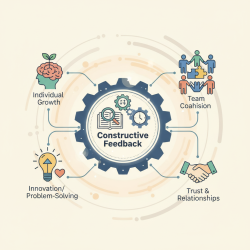
- Provide regular feedback and recognition, acknowledging efforts and achievements.
- Actively listen to team concerns and address issues promptly and fairly.
Practical Strategies for Implementation
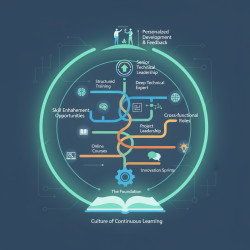
Building a positive and inclusive culture is an ongoing process that requires deliberate effort. Practical strategies include implementing regular team-building activities that encourage informal interaction and strengthen bonds. Establishing mentorship programs can facilitate knowledge sharing and professional development while reinforcing a supportive environment. Creating forums for open discussion, such as town halls or suggestion boxes, can ensure that team members feel their voices are heard and valued. Investing in diversity and inclusion training is also crucial, helping to raise awareness and equip individuals with the tools to navigate differences effectively. Celebrating successes, both large and small, reinforces positive behaviors and builds collective morale.
Measuring and Sustaining Culture
To ensure a culture remains positive and inclusive, it's essential to measure its health and make continuous adjustments. Regular pulse surveys, anonymous feedback channels, and one-on-one check-ins can provide valuable insights into team sentiment and areas for improvement. Analyzing feedback and openly communicating about actions taken demonstrates a commitment to employee well-being and fosters trust. Culture is not static; it evolves with the team and its challenges, requiring ongoing attention, adaptation, and reinforcement to remain vibrant and effective.
Summary
Cultivating a positive and inclusive team culture is paramount for organizational success, driving collaboration, mutual respect, and a shared sense of purpose. This involves defining clear cultural values, fostering open communication and shared goals for effective collaboration, and valuing diverse perspectives to build profound respect. Leaders are instrumental in modeling desired behaviors and empowering teams, while practical strategies like team-building and D&I training reinforce these values. Continuously measuring and adapting cultural initiatives ensures a thriving and resilient environment where everyone feels valued and motivated to contribute their best.
Comprehension questions
 What are the defining characteristics of a positive and inclusive team culture as described in the article?According to the article, what key elements are essential for fostering effective collaboration within a team?How does leadership significantly impact the development and sustenance of a positive team culture?What is the significance of a shared sense of purpose for a team, and how can leaders cultivate it?
Community Poll
Next Lesson

Course Contents : Inspiring and Motivating Software Engineers
- >> 9.
 Defining a Positive and Inclusive Culture