Strategic Communication to Inspire Vision and Foster Transparency
- -->> 7. Strategic Communication to Inspire Vision and Foster Transparency
What you'll learn
 Visionary CommunicationExpectation ManagementTeam TransparencyCommunication Enhancement
Effective communication is the cornerstone of any successful endeavor, particularly within dynamic team environments. It transcends mere information exchange, evolving into a strategic tool that shapes culture, drives innovation, and ensures alignment. Refining your communication strategies is not just about speaking clearly; it's about building bridges of understanding, fostering trust, and creating a shared sense of purpose. This article explores how leaders and team members can intentionally hone their communication skills to inspire a collective vision, adeptly manage expectations, and cultivate an atmosphere of transparent interactions that propels projects forward and strengthens team bonds.
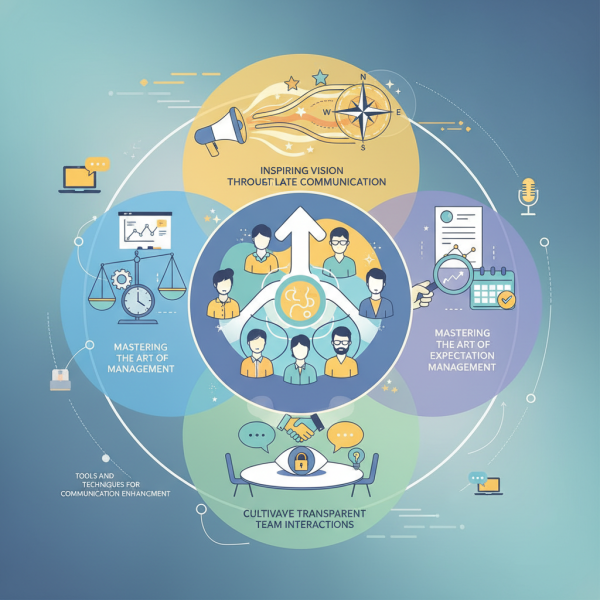
Inspiring Vision Through Articulate Communication
A compelling vision is the guiding star for any team, providing direction and meaning to daily tasks. Leaders have the crucial role of not only establishing this vision but also articulating it in a way that resonates deeply with every team member. This requires more than just stating goals; it demands painting a vivid picture of the future and the collective impact each individual contributes.
To inspire vision effectively, communication must be:
- Clear and Concise: Eliminate jargon and present the vision in plain, understandable language. Every team member, regardless of their role, should grasp the core objective.
- Purpose-Driven: Connect the vision to a larger purpose or impact. Explain the 'why' behind the goals, illustrating how their work contributes to something meaningful beyond immediate deliverables.
- Passionate and Enthusiastic: Your belief in the vision should be infectious. Convey your excitement and conviction through your tone, body language, and choice of words. Enthusiasm is a powerful motivator.
- Consistent and Repetitive: The vision isn't a one-time announcement. It needs to be reiterated in various forums and contexts, woven into team discussions, project updates, and individual feedback sessions to keep it top of mind.
Storytelling is an invaluable technique here. Sharing narratives about past successes, potential future achievements, or the impact on beneficiaries can make the vision tangible and emotionally engaging, cementing its importance in the minds and hearts of the team.
Mastering the Art of Expectation Management
Unmanaged expectations are a primary source of frustration, missed deadlines, and strained team relationships. Proactive and clear communication is paramount in setting realistic expectations from the outset and continuously managing them throughout a project lifecycle. This involves a delicate balance of clarity, honesty, and adaptability.
Key strategies for effective expectation management include:
- Early and Detailed Definition: Clearly define project scope, roles, responsibilities, deliverables, timelines, and success metrics at the very beginning. Leave no room for ambiguity. Document these agreements and ensure everyone has access.
- Transparent Progress Updates: Regularly communicate project status, highlighting achievements, challenges, and any potential shifts in scope or timeline. Be honest about obstacles and seek collaborative solutions.
- Anticipate and Address Roadblocks: Proactively identify potential risks, dependencies, and constraints. Communicate these early and discuss contingency plans. This manages expectations about potential difficulties before they become actual problems.
- Feedback Loops: Establish regular channels for team members to provide feedback on expectations, workload, and perceived challenges. This two-way communication allows for adjustments and ensures everyone feels heard and valued.
- Realistic Timelines: Avoid over-promising. It's better to under-promise and over-deliver than the reverse. Build in buffers for unexpected issues and communicate these considerations.
Managing expectations is an ongoing dialogue, not a static declaration. It requires active listening and a willingness to adapt as circumstances evolve, always keeping the team informed and aligned.
Cultivating Transparent Team Interactions
Transparency builds trust, fosters psychological safety, and enhances collaboration. When team members feel safe to share ideas, admit mistakes, and voice concerns, innovation flourishes, and problems are resolved more quickly. Leaders play a pivotal role in modeling and encouraging this openness.
Elements of transparent team interactions include:
- Open Information Sharing: Share relevant information broadly and consistently, including organizational goals, challenges, decisions, and outcomes. Avoid hoarding information that could benefit the team.
- Psychological Safety: Create an environment where team members feel comfortable taking risks, asking questions, and disagreeing constructively without fear of negative repercussions. Leaders should demonstrate vulnerability and encourage open dialogue.
- Active Listening: Communication is a two-way street. Practice active listening, giving full attention to what others are saying, asking clarifying questions, and reflecting understanding. This shows respect and encourages others to share.
- Constructive Feedback Culture: Promote a culture where feedback is given and received regularly, focusing on growth and improvement rather than blame. Frame feedback in a supportive and actionable manner.
- Embrace Diverse Perspectives: Actively solicit and value different viewpoints. Transparency means allowing all voices to be heard and considered, leading to more robust decision-making.
Transparent interactions mean moving beyond superficial politeness to genuine, honest exchanges. This doesn't mean being brutal, but rather being direct, respectful, and focused on shared objectives.
Tools and Techniques for Communication Enhancement
Beyond the principles, practical tools and techniques can significantly enhance communication strategies. The right approach depends on the message, the audience, and the desired outcome.
Consider the following:
- Regular Stand-ups and Check-ins: Brief daily or weekly meetings keep everyone updated on progress, priorities, and blockers, fostering consistent communication flow.
- Leverage Technology Wisely: Utilize collaborative platforms (e.g., Slack, Microsoft Teams) for quick updates and informal discussions, project management tools (e.g., Jira, Asana) for tracking tasks, and video conferencing for richer interactions in remote settings. Choose the right tool for the job.
- Structured Meeting Agendas: Ensure meetings have clear objectives, an agenda circulated in advance, and actionable outcomes documented afterward. This maximizes efficiency and ensures everyone knows what was discussed and decided.
- Documentation and Knowledge Sharing: Maintain a central repository for project plans, decisions, processes, and lessons learned. This reduces reliance on individual memories and ensures information is accessible to all.
- One-on-One Discussions: Schedule regular one-on-one meetings with team members to discuss individual progress, challenges, career goals, and provide personalized feedback. These are invaluable for building rapport and trust.
The goal is to create a robust communication ecosystem where information flows freely, accurately, and at the right time to the right people.
Summary
Refining communication strategies is an ongoing journey critical for organizational success. By focusing on inspiring a clear and compelling vision, skillfully managing expectations through proactive and honest dialogue, and fostering a culture of transparent team interactions built on trust and psychological safety, leaders can significantly enhance team performance and cohesion. Utilizing appropriate tools and techniques further strengthens this framework, ensuring that communication becomes a strategic asset rather than a potential bottleneck. Continuous effort in these areas transforms mere information exchange into a powerful catalyst for innovation, collaboration, and collective achievement.
Comprehension questions
 What are the four key characteristics of communication required to inspire vision effectively?Name three strategies for effective expectation management mentioned in the article.How does fostering psychological safety contribute to transparent team interactions?According to the article, what are some practical tools and techniques to enhance communication within a team?
Review Quiz
Next Lesson

Course Contents : Inspiring and Motivating Software Engineers
- >> 7.
 Strategic Communication to Inspire Vision and Foster Transparency