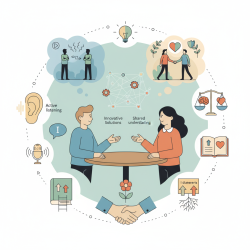
Cultivating Psychological Safety: A Foundation for High-Performing Teams
- -->> 2. Cultivating Psychological Safety: A Foundation for High-Performing Teams
What you'll learn
 Open CommunicationEmbracing Learning from FailureInclusive EnvironmentEffective Leadership
Tthe ability of teams to adapt, innovate, and perform at their peak is paramount. At the heart of such high-performing teams lies a critical, yet often overlooked, element: psychological safety. This isn't merely about being nice; it's about fostering an environment where team members feel secure enough to express ideas, ask questions, admit mistakes, and take calculated risks without fear of embarrassment, judgment, or punishment. Building this culture is not an overnight task but a continuous journey that requires intentional effort from leadership and every team member.
What is Psychological Safety?
Psychological safety, a term popularized by Harvard professor Amy Edmondson, describes a shared belief held by members of a team that the team is safe for interpersonal risk-taking. It's the confidence that you won't be humiliated or punished for speaking up with ideas, questions, concerns, or mistakes. In a psychologically safe environment, individuals feel comfortable being themselves, challenging the status quo, and engaging in candid conversations, knowing that their contributions are valued, even if they lead to initial setbacks or disagreements.
This safety net allows for crucial learning and growth. When team members are not burdened by the fear of negative repercussions, their cognitive energy is freed up to focus on the task at hand, problem-solving, and creative thinking. It transforms potential threats into opportunities for collective improvement and innovation.
Why Psychological Safety Matters
The benefits of cultivating psychological safety extend far beyond just individual comfort; they directly impact team and organizational performance. When team members feel safe, several positive outcomes emerge:
- Enhanced Innovation and Creativity: People are more likely to share novel ideas, experiment with new approaches, and challenge existing norms when they know their input will be considered fairly, not dismissed or ridiculed.
- Improved Problem-Solving and Decision-Making: Diverse perspectives are brought to the table, and critical questions are asked, leading to more thorough analysis and robust solutions. Mistakes are seen as data points for learning rather than failures to be hidden.
- Increased Learning and Growth: Individuals are more willing to admit errors, seek help, and offer constructive feedback, accelerating collective learning and skill development within the team.
- Higher Engagement and Retention: Employees who feel safe, respected, and heard are more engaged in their work and more likely to remain with the organization, reducing turnover costs and preserving institutional knowledge.
- Stronger Team Cohesion: Trust and respect are foundational elements of psychological safety, leading to stronger interpersonal relationships and a more supportive team dynamic.
Key Pillars of Cultivating Psychological Safety
Building a culture of psychological safety requires intentional effort across several dimensions. It starts with a foundational commitment to creating an environment where vulnerability is seen as a strength, not a weakness.
Fostering Open Communication
Encouraging transparent and honest dialogue is fundamental. Leaders must actively listen, ask open-ended questions, and ensure everyone has an opportunity to speak. Creating dedicated forums for feedback, both positive and constructive, and demonstrating that dissent is welcome, are vital steps.
- Actively listen to all viewpoints without interruption.
- Encourage questions and clarifications, even when ideas seem fully formed.
- Provide clear channels for feedback, anonymous or direct.
- Ensure team meetings are structured to allow participation from all members.
Embracing Failure as Learning
No team or individual is infallible. Instead of punishing mistakes, a psychologically safe environment reframes them as valuable learning opportunities. This involves conducting blameless post-mortems, focusing on systemic issues rather than individual blame, and celebrating the lessons learned from setbacks.
- Shift the narrative from "who is to blame" to "what can we learn."
- Document and share lessons learned from projects that didn't meet expectations.
- Encourage experimentation, even if it carries a risk of not succeeding.
- Publicly acknowledge and learn from leadership's own mistakes.
Promoting Inclusivity and Respect
A safe environment is inherently an inclusive one. Every team member must feel respected for who they are and for the unique perspectives they bring. This means actively combating unconscious biases, ensuring equitable opportunities, and valuing diversity in all its forms. Respect is not merely the absence of disrespect, but the active affirmation of each individual's worth.
Leading by Example
Leaders play the most crucial role in modeling psychological safety. When leaders demonstrate vulnerability, admit their own mistakes, ask for help, and actively solicit feedback, they signal to the team that it is safe to do the same. Their actions speak louder than any policy or declaration. Leaders must also consistently respond to ideas and concerns with curiosity and support, never with defensiveness or dismissal.
Practical Steps to Reinforce Psychological Safety
Beyond the core pillars, several practical actions can help solidify a psychologically safe culture:
Establish Clear Team Norms: Co-create guidelines for how the team will interact, make decisions, and resolve conflicts. Explicitly include norms around respectful disagreement and active listening.
Encourage Questioning and Dissent: Frame questions and challenges as contributions to better outcomes, not as defiance. Create dedicated moments for "devil's advocate" roles or constructive critique during decision-making processes.
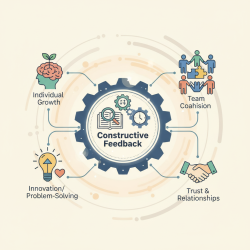
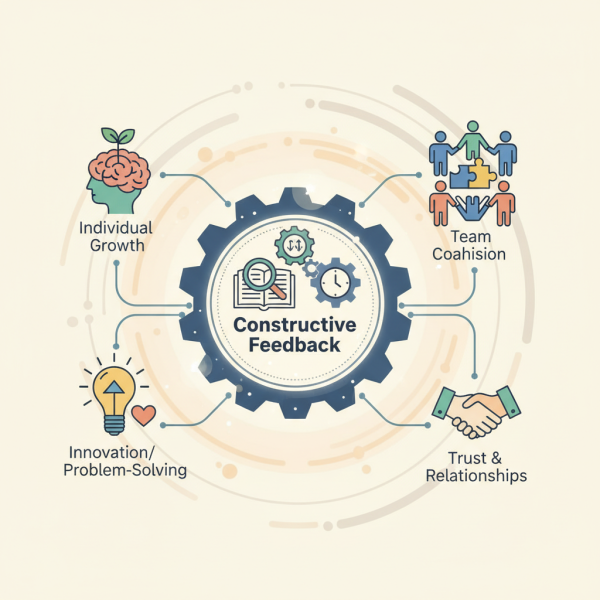
Provide Constructive Feedback: Deliver feedback with empathy, focusing on behaviors and impact rather than personal traits. Ensure feedback is a two-way street, with leaders also openly receiving input.
Celebrate Effort, Not Just Outcomes: Acknowledge and reward the courage to try new things, even if they don't always yield perfect results. This reinforces the value of experimentation and risk-taking.
Regular Check-ins and Feedback Loops: Implement mechanisms for continuous pulse checks on team well-being and psychological safety. This could be through anonymous surveys, one-on-ones, or dedicated team retrospectives.
Challenges and Overcoming Them
Building psychological safety is not without its hurdles. Resistance can come from fear of vulnerability, ingrained hierarchical thinking, or a lack of understanding about its benefits. Addressing these challenges requires patience, persistence, and a willingness to confront uncomfortable truths. Leaders must be prepared to have difficult conversations, mediate conflicts constructively, and consistently champion the values of openness and respect, even when it's challenging.
It's important to remember that psychological safety does not mean a lowering of standards or a lack of accountability. Instead, it creates an environment where high standards can be met more effectively because people feel safe to bring their whole selves to work, address issues early, and collaborate without fear.
Summary
Cultivating a culture of psychological safety is indispensable for modern organizations aiming for sustained success, innovation, and employee well-being. By prioritizing open communication, embracing learning from failures, fostering inclusivity, and exhibiting empathetic leadership, teams can build an environment where members feel secure to express ideas and take calculated risks. This foundational trust not only unlocks individual potential but also propels collective performance, leading to more robust problem-solving, enhanced creativity, and a more engaged and resilient workforce. It is an ongoing commitment that yields profound benefits for both individuals and the organization as a whole.
Comprehension questions
 According to the article, what is the core definition of psychological safety as popularized by Amy Edmondson?Name three benefits that emerge in teams when psychological safety is effectively cultivated.What role do leaders play in fostering psychological safety, and why are their actions particularly important?
Review Quiz
Next Lesson
Course Contents : Inspiring and Motivating Software Engineers
- >> 2.
 Cultivating Psychological Safety: A Foundation for High-Performing Teams