Developing Your Adaptive Leadership Style
- -->> 11. Developing Your Adaptive Leadership Style
What you'll learn
 Personal Leadership DevelopmentContinuous Self-ImprovementManagerial AdaptabilityAuthentic Leadership Principles
Understanding Your Leadership Foundation
Effective leadership is less about a static set of rules and more about a dynamic, personalized approach. Managers who excel understand that their leadership style isn't fixed but is a living entity that requires constant nurturing, self-reflection, and a keen sense of adaptability. Developing your personal leadership style is a continuous journey, not a destination, especially when committed to ongoing self-improvement and responsive flexibility.
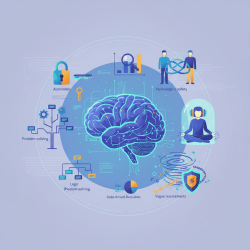
The bedrock of any effective leadership style is deep self-awareness. Before you can lead others, you must understand yourself – your core values, innate strengths, areas for development, and preferred communication methods. What truly motivates you? What are your non-negotiables? How do you react under pressure? Answering these questions provides clarity, allowing you to lead authentically. Authentic leadership inspires trust and fosters genuine connections because it emanates from your true self, making your decisions and interactions consistent and predictable in a positive way. This foundational understanding enables you to build a style that feels natural and sustainable.
The Imperative of Continuous Self-Improvement
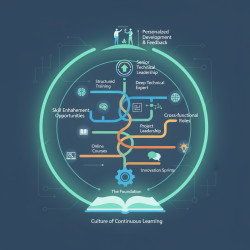
The business world never stands still, and neither should your leadership growth. Continuous self-improvement is not merely a suggestion; it's a critical component of sustained managerial effectiveness. This commitment means actively seeking out new knowledge, skills, and perspectives. It involves embracing a growth mindset, where challenges are seen as opportunities for learning rather than obstacles. Leaders dedicated to self-improvement recognize that there is always more to learn, new techniques to master, and different ways to approach familiar problems. This proactive pursuit of growth ensures you remain relevant and capable in an ever-changing environment, setting a powerful example for your team.
- Engage in lifelong learning through books, articles, online courses, and workshops.
- Actively solicit and be receptive to constructive feedback from peers, superiors, and subordinates.
- Cultivate mentor relationships, both as a mentee and a mentor, to gain diverse insights.
- Practice regular self-reflection, perhaps through journaling, to process experiences and identify learning points.
- Stay informed about industry trends, technological advancements, and best practices in leadership.
Cultivating Adaptability in a Dynamic Environment
Adaptability is the hallmark of modern leadership. The ability to pivot, adjust strategies, and navigate uncertainty with grace is paramount. Markets shift, technologies evolve, and team dynamics change; a rigid leader will quickly become ineffective. Cultivating adaptability means developing a flexible mindset, one that embraces change as an inherent part of progress. It involves being open to new ideas, challenging assumptions, and being willing to course-correct when circumstances demand it. Adaptive leaders do not merely react; they anticipate and strategically respond, viewing unforeseen challenges not as setbacks but as opportunities to innovate and refine their approach. This resilience allows them and their teams to thrive amidst disruption.
Implementing Your Evolving Style as a Manager
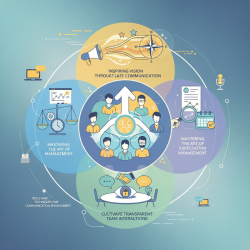
Your personal leadership style isn't just about introspection; it's about outward application and impact. As a manager, your evolving style profoundly influences your team's performance and morale. Leading by example is crucial; if you demonstrate a commitment to learning and adaptability, your team is more likely to follow suit. Empowering your team to take initiative, make decisions, and learn from their mistakes fosters an environment of growth. Transparent and consistent communication is also vital, especially during times of change, as it builds trust and alignment. Your role is to guide, support, and inspire, using your refined style to unlock your team's full potential.
- Consistently model the behaviors you wish to see, such as seeking feedback and embracing new ideas.
- Delegate effectively, providing autonomy while offering necessary support and resources.
- Foster a psychological safe environment where team members feel comfortable experimenting and failing forward.
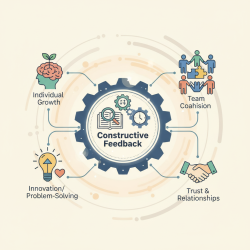
- Provide regular, constructive feedback to your team, focusing on development and growth opportunities.
- Be a champion for change within your organization, clearly articulating the "why" behind new directions.
Developing a personal leadership style is an ongoing, reflective process centered on continuous self-improvement and adaptability. By establishing a strong foundation of self-awareness, committing to lifelong learning, embracing flexibility in dynamic environments, and practically applying these principles in team management, leaders can cultivate an authentic and impactful approach. This journey ensures managers remain effective, inspiring, and capable of guiding their teams successfully through present and future challenges.
Comprehension questions
 What is the foundational element required before a manager can effectively lead others, according to the article?Name two specific strategies for continuous self-improvement mentioned in the article.How does an adaptive leader view unforeseen challenges?What is a crucial aspect of communication for managers, especially during times of change, to build trust and alignment?
Community Poll
Next Lesson
Course Contents : Inspiring and Motivating Software Engineers
- >> 11.
 Developing Your Adaptive Leadership Style