Mastering Constructive Conflict Resolution and Empathetic Conversations
- -->> 8. Mastering Constructive Conflict Resolution and Empathetic Conversations
What you'll learn
 Understanding ConflictEmpathy in CommunicationProfessionalism in DiscourseConstructive Resolution Techniques
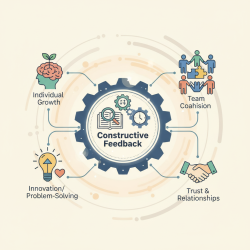
In any personal or professional setting, conflicts are an inevitable part of human interaction. While often perceived negatively, conflicts, when handled constructively, can lead to stronger relationships, innovative solutions, and personal growth. Navigating difficult conversations, especially during disagreements, requires a delicate balance of empathy, professionalism, and effective communication techniques. Mastering these skills transforms potentially destructive confrontations into opportunities for mutual understanding and resolution, fostering an environment of respect and collaboration rather than animosity.
Understanding Conflict: A Foundation for Resolution
Conflict is not inherently bad; it is simply a disagreement or clash between opposing ideas, interests, or perceptions. The crucial aspect is how we choose to approach it. A fundamental principle in conflict resolution is to separate the person from the problem. Focusing solely on the issue at hand, rather than personalizing the conflict or attributing malicious intent, helps maintain objectivity and reduces emotional reactivity. Understanding that different people have different communication styles and ways of processing information is also key to preventing misunderstandings from escalating.
Recognizing the root causes of conflict, whether they are differing values, scarce resources, or misaligned expectations, provides a clearer path to resolution. Instead of trying to "win" an argument, the goal should always be to achieve a mutually acceptable outcome that addresses the underlying concerns of all parties involved. This shift in mindset from confrontation to collaboration is essential for constructive engagement.
The Power of Empathy in Difficult Conversations
Empathy is the ability to understand and share the feelings of another. In difficult conversations, it is arguably the most powerful tool one can possess. When you approach a disagreement with empathy, you are not necessarily agreeing with the other person’s viewpoint, but you are making a conscious effort to see the situation from their perspective. This act of validation can significantly de-escalate tension and open channels for more productive dialogue.
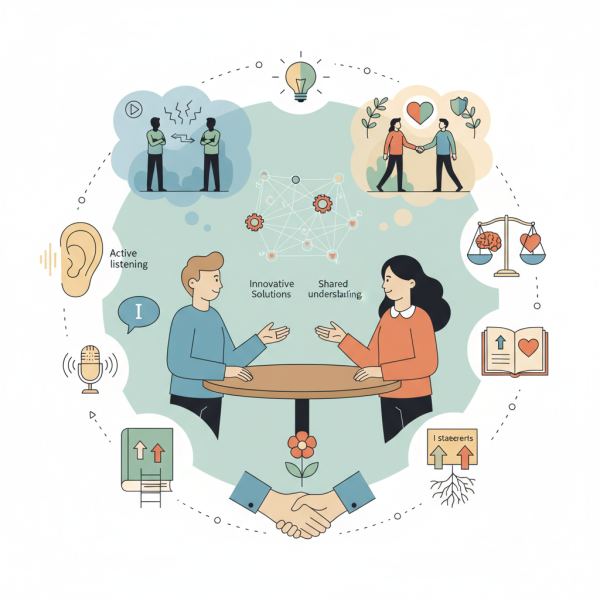
Active listening is a cornerstone of empathetic communication. This involves not just hearing the words being spoken, but truly understanding the underlying emotions, needs, and concerns. Techniques such as paraphrasing what you've heard ("So, if I understand correctly, you're feeling frustrated because...") and asking clarifying questions ("Could you explain what you mean by that?") demonstrate that you are engaged and committed to comprehending their point of view. This fosters trust and makes the other person feel heard and respected, paving the way for a calmer discussion.
Professionalism as a Guiding Principle
Maintaining professionalism throughout a difficult conversation is paramount, especially in workplace settings. This means managing your own emotions, avoiding personal attacks, and sticking to the facts relevant to the issue. Professionalism ensures that the conversation remains focused on solving the problem rather than deteriorating into a personal dispute. It also protects your reputation and maintains a respectful working relationship, regardless of the outcome of the specific conflict.
Key aspects of professionalism include speaking calmly and clearly, avoiding accusatory language, and being prepared to discuss your position with logic and evidence. It also involves knowing when to take a break if emotions run too high, and always striving for a win-win or mutually beneficial outcome. Remembering that the ultimate goal is resolution, not victory, helps guide your behavior and keeps the conversation constructive.
Key Techniques for Constructive Resolution
When faced with a conflict, having a structured approach can significantly improve the chances of a positive resolution. Here are several practical techniques:
- Preparation and Mindset: Before engaging, take time to clarify your own thoughts, feelings, and objectives. Consider what you want to achieve and what potential solutions might look like. Also, try to anticipate the other person's perspective and potential concerns.
- Choose the Right Time and Place: Select a private, neutral setting where both parties can speak freely without interruption or external pressure. Ensure there is adequate time to fully discuss the issue without rushing.
- Use "I" Statements: Frame your concerns around your own feelings and experiences rather than using accusatory "you" statements. For example, instead of saying, "You always interrupt me," try, "I feel unheard when I'm interrupted." This reduces defensiveness.
- Focus on Shared Goals: Identify any common interests or objectives that both parties share. Highlighting these can create a foundation for collaboration and remind everyone that they are working towards a common purpose, even if their approaches differ.
- Brainstorm Solutions Together: Once the issue and underlying needs are clearly understood, work collaboratively to generate multiple possible solutions. Encourage creativity and postpone judgment during this phase. The goal is to expand possibilities, not to immediately find the "right" answer.
- Agree on Specific Action Steps: Once a solution is chosen, ensure that the next steps are clear, specific, and actionable. Define who will do what, by when, and how progress will be monitored. This ensures accountability and helps prevent future recurrence of the conflict.
Navigating Highly Emotional Situations
Some conversations naturally carry a higher emotional charge. In these instances, additional strategies are vital. If the discussion becomes too heated, suggest taking a short break to allow everyone to cool down and regain composure. Agree on a specific time to reconvene. This prevents rash statements and allows for a more rational return to the discussion.
De-escalation techniques, such as speaking in a calm, even tone, avoiding sudden movements, and maintaining open body language, can also help reduce tension. Sometimes, despite best efforts, a resolution cannot be reached between the involved parties. In such cases, knowing when to involve a neutral third party, such as a manager, HR representative, or professional mediator, is a sign of professionalism and maturity. A mediator can facilitate communication, clarify points, and guide parties towards a mutually acceptable outcome without taking sides.
Summary
Mastering constructive conflict resolution and empathetic navigation of difficult conversations is a crucial life skill. By understanding the nature of conflict, embracing empathy through active listening, maintaining a professional demeanor, and employing structured resolution techniques like "I" statements and collaborative problem-solving, individuals can transform potential breakdowns into breakthroughs. Even in highly emotional situations, strategic breaks and, when necessary, third-party mediation ensure that disagreements lead to stronger relationships and effective solutions rather than lasting animosity, ultimately fostering environments of mutual respect and sustained progress.
Comprehension questions
 What is the fundamental principle to adopt when approaching conflict for constructive resolution?How does active listening contribute to empathetic communication in difficult conversations?Why is maintaining professionalism important during conflict resolution, especially in workplace settings?What are three specific techniques mentioned in the article for achieving constructive conflict resolution?
Next Lesson
Course Contents : Inspiring and Motivating Software Engineers
- >> 8.
 Mastering Constructive Conflict Resolution and Empathetic Conversations