
Improving Time Management for Engineering Managers
What you'll learn
 Understanding Time Management ChallengesImportance of Becoming a Strategic PlannerTask PrioritizationValue of DelegationOptimizing Meeting SchedulesImproving CommunicationProtecting Focus TimeManaging Constant InterruptionsImproving Work/Life Balance through Time Management
Course Details
Effective time management is a crucial skill for a software engineering manager. It allows for the strategic allocation of a manager's most limited resource: their time. By mastering this skill, a manager can create a more balanced and productive environment for themselves and their team. Instead of reacting to an endless stream of urgent requests, they can proactively focus on high-impact activities such as mentoring, strategic planning, and identifying process improvements. This shift from reactive to proactive work is essential for long-term team growth and project success.
Improving time management also directly benefits the team's morale and productivity. A well-organized manager can better protect their team from unnecessary interruptions and context switching, allowing engineers to focus on deep work. By setting clear priorities and delegating tasks effectively, a manager ensures that the team's efforts are aligned with the project's goals, preventing burnout and frustration from working on non-critical tasks. Ultimately, a manager who prioritizes their time sets a powerful example for their team, fostering a culture of efficiency, focus, and strategic thinking that is vital for delivering high-quality software on time.
In this course we will cover topics and strategies to identify time sinks, increase productivity and ultimately streamline your day as an effective software engineering manager.
Course Contents (10 lessons)
- 1.
 Effective time management empowers software engineering managers to juggle multiple responsibilities, from team leadership to technical oversight, ensuring project success and fostering team well-being. Mastering this skill directly impacts productivity, reduces stress, and allows managers to strategically guide their teams through complex development cycles.
 - 2.
 Effective time management is not merely about completing tasks; for a Software Engineering Manager, it is a strategic imperative that directly influences team focus, project outcomes, and long-term organizational success. This article explores the nuanced differences between urgent and important tasks and provides actionable strategies for prioritizing work to foster a proactive, high-performing engineering culture.
 - 3.
 This article provides Software Engineering Managers with practical strategies to organize and prioritize tasks effectively. It emphasizes differentiating between important and urgent tasks, recognizing time sensitivities, and implementing robust frameworks to maximize time efficiency and drive impactful outcomes.
 - 4.
 Software engineering managers often fall prey to various time sinks that derail productivity and strategic focus. This article explores common challenges like unimportant tasks, constant interruptions, and inefficient meetings, offering insights to help managers reclaim their valuable time.
 - 5.
 This article explores how software engineering managers can significantly improve their time management through effective delegation. It highlights the benefits of empowering teams and focusing on strategic tasks, while also detailing the negative consequences of failing to delegate.
 - 6.
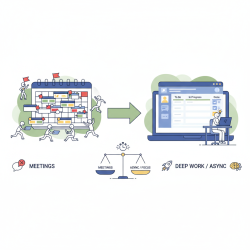 Effective meeting management is crucial for software engineering managers to reclaim valuable time and boost team productivity. This article explores strategies for distinguishing between synchronous and asynchronous communication, alongside practical tips for reducing meeting frequency and duration.
 - 7.
 Software Engineering Managers often face communication challenges that consume valuable time and lead to inefficiencies. This article explores practical strategies and habits for improving communication styles to foster clarity, conciseness, and ultimately enhance team productivity.
 - 8.
 This article explores the critical importance for Software Engineering Managers to protect dedicated focus time for deep work on strategic projects. It outlines practical techniques to safeguard this invaluable period against constant interruptions, fostering better decision-making and project outcomes.
 - 9.
 This article provides Software Engineering Managers with practical strategies to identify, deal with, and significantly reduce constant interruptions throughout their day. It offers actionable techniques and examples to reclaim focus and improve productivity.
 - 10.
 This article explores how mastering time efficiency is crucial for Software Engineering Managers to achieve a greater work-life balance. It highlights how effective time management enhances both professional success and personal well-being, while poor management leads to stress and burnout.