Protecting Focus Time as Engineering Managers
- -->> 8. Protecting Focus Time as Engineering Managers
What you'll learn
 Importance of Deep WorkManaging InterruptionsCalendar Management StrategiesLeading by Example
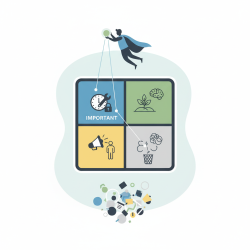
In the dynamic and often demanding world of software engineering management, the allure of constant availability and rapid response can be strong. However, amidst the flurry of meetings, team check-ins, and urgent escalations, a critical resource often gets overlooked: dedicated focus time. This invaluable period allows engineering leaders to disengage from day-to-day distractions and dive deeply into the strategic, complex challenges that truly drive progress and innovation within their organizations. Protecting this sacred time is not merely a personal preference; it's a strategic imperative for effective leadership and successful project delivery.
The Imperative of Deep Work for Engineering Managers
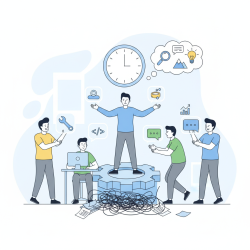
For software engineering managers, the role extends far beyond merely overseeing tasks. It encompasses strategic planning, architectural review, complex problem-solving, talent development, and long-term vision setting. These activities demand significant cognitive effort and uninterrupted concentration. Without dedicated focus time, managers are reduced to tactical responders, unable to engage in the deep work necessary to anticipate future challenges, architect scalable solutions, or develop comprehensive team strategies. This intellectual heavy lifting is where true value is generated, impacting not just a single sprint but the entire trajectory of projects and team growth.
Deep work enables managers to think critically about system design, evaluate trade-offs, and conduct thorough code reviews or design discussions. It allows for the thoughtful preparation of performance reviews, the crafting of impactful technical roadmaps, and the analysis of complex data to inform crucial decisions. When this time is consistently fragmented by interruptions, the quality of these outputs inevitably suffers, leading to suboptimal decisions, delayed initiatives, and a perpetual feeling of being reactive rather than proactive.
The Hidden Costs of Context Switching
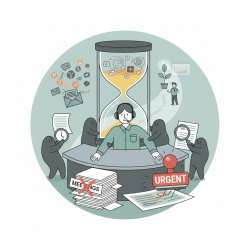
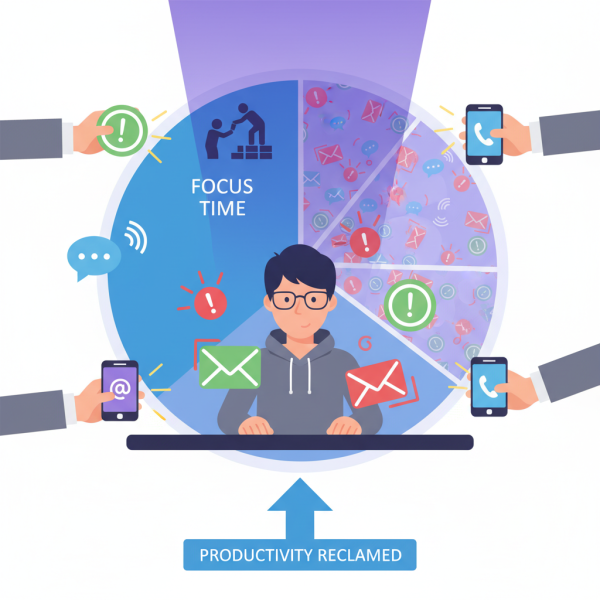
The human brain is remarkably inefficient at context switching. Each interruption, whether it's a quick message, an unscheduled drop-in, or a notification, forces your brain to discard the current mental model and load a new one. This process is not instantaneous; it carries a significant cognitive cost. For engineering managers, who often juggle multiple complex projects and team dynamics, constant context switching leads to:
- Reduced Productivity: Less actual work gets done, as a substantial portion of time is spent switching gears.
- Decreased Quality: Decisions and analyses made under constant interruption are more prone to errors and lack depth.
- Increased Stress and Burnout: The feeling of never being able to fully focus or complete a task can be mentally exhausting.
- Delayed Progress: Critical projects that require sustained attention often stall or move forward slowly.
- Loss of Strategic Overview: Managers become entangled in minutiae, losing sight of the bigger picture and long-term goals.
These hidden costs directly impact project timelines, team morale, and the manager's overall effectiveness. Recognizing and mitigating them is key to unlocking higher levels of performance and well-being.
Techniques for Safeguarding Your Focus Time
Protecting focus time requires intentional effort and consistent application of strategies. Here are several effective techniques that engineering managers can employ:
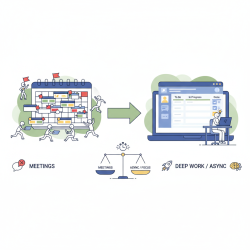
Proactive Calendar Blocking: The most fundamental step is to schedule focus time explicitly on your calendar. Treat these blocks as non-negotiable meetings with yourself. Mark them as "Busy" or "Focus Time" to signal unavailability. Experiment with different durations and times – some find early mornings most productive, others prefer afternoon blocks.
Communicating Boundaries Effectively: Inform your team and colleagues about your focus blocks. Explain the purpose – that this time allows you to do the deep strategic work necessary to support them and the projects. Set expectations about response times during these periods. A simple message in your communication tools or an auto-reply can reinforce these boundaries.
Batching Non-Urgent Tasks: Group similar, less critical tasks together into designated slots. For instance, dedicate specific times each day or week to respond to emails, review minor pull requests, or handle administrative tasks. This prevents these smaller interruptions from fragmenting your deep work periods.
Strategic Use of Communication Tools: Master your notification settings. Turn off non-essential alerts during focus time. Utilize "Do Not Disturb" modes on messaging apps and your operating system. Consider closing email and chat clients entirely during deep work sessions. Encourage asynchronous communication where appropriate.
Creating a Conducive Environment: Designate a physical or digital space that supports concentration. This might mean finding a quiet corner, using noise-canceling headphones, or creating a specific desktop setup for focus work. Minimize visual distractions and ensure you have all necessary resources at hand before starting a session.
Regular Review and Adjustment: Your approach to protecting focus time isn't static. Periodically review what's working and what isn't. Are your blocked times respected? Are you still getting interrupted frequently? Adjust your strategies, communicate more clearly, or experiment with different timings until you find a sustainable rhythm.
Empowering Your Team: While protecting your own time, also empower your team members to solve problems independently. This reduces their reliance on you for every decision and frees up your time for higher-level work. Foster a culture where individuals are encouraged to seek solutions before escalating issues.
- Set clear expectations about when and how to interrupt for urgent matters.
- Delegate effectively to offload tasks that don't require your deep managerial insight.
- Provide resources and training to team members to increase their autonomy.
Leading by Example
As an engineering manager, your actions speak volumes. By consistently prioritizing and protecting your own focus time, you model positive behavior for your team. You demonstrate the importance of deep work and self-management, encouraging your team members to adopt similar practices. This can lead to a culture where focused work is valued and respected, improving overall team productivity and reducing the pressure for constant, immediate availability.
A manager who is constantly jumping between tasks and appears overwhelmed sends a different message than one who strategically carves out time for thoughtful, impactful work. Your ability to deliver high-quality strategic output, rather than just reacting, will inspire confidence and demonstrate effective leadership.
Summary
Protecting dedicated focus time is an essential practice for software engineering managers, enabling them to engage in the deep work critical for strategic planning, complex problem-solving, and effective leadership. The hidden costs of constant context switching — including reduced productivity, decreased quality, and increased stress — underscore the necessity of these uninterrupted periods. By implementing techniques such as proactive calendar blocking, clear communication of boundaries, strategic use of communication tools, and fostering a supportive environment, managers can effectively safeguard their valuable time. Ultimately, leading by example in this area not only benefits the individual manager but also cultivates a culture of thoughtful, high-quality work within the entire engineering team.
Comprehension questions
 What are the main types of activities for engineering managers that require deep, uninterrupted focus?Name three hidden costs associated with frequent context switching for engineering managers.Describe at least three practical techniques engineering managers can use to protect their focus time.How does an engineering manager leading by example in protecting focus time impact their team culture?
Community Poll
Next Lesson
Course Contents : Improving Time Management for Engineering Managers
- >> 8.
 Protecting Focus Time as Engineering Managers