Being a Strategic Time Planner
- -->> 2. Being a Strategic Time Planner
What you'll learn
 Strategic Time AllocationImpact on Team StrategyUrgent vs. Important PrioritizationProactive Task Management
As a Software Engineering Manager, your role extends far beyond technical oversight and team leadership. You are a crucial link between engineering execution and overarching business strategy. In this pivotal position, how you manage your time—and, by extension, your team's time—is not just an administrative detail; it is a strategic advantage or a significant bottleneck. Becoming a strategic time planner means understanding that every minute spent, every task prioritized, and every decision made directly impacts your team's trajectory, project delivery, and ultimately, the company's long-term goals. It's about orchestrating efforts to align with strategic objectives, rather than merely reacting to the immediate demands of the day.
The Core of Strategic Time Planning
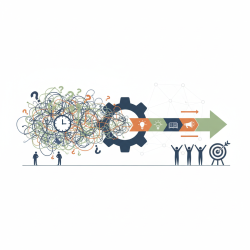
Strategic time planning for an SEM isn't about fitting more into your day; it's about making deliberate choices about what *should* occupy your time and why. It involves a proactive approach to identifying high-impact activities that move the needle for your team and the business. This contrasts sharply with reactive task management, where priorities are dictated by the loudest voice or the most recent Slack message. A strategic planner understands the architectural vision, product roadmap, and business objectives, and then allocates time to activities that directly support these broader aims. It’s about being an architect of time, not just a scheduler.
This approach requires foresight, the ability to anticipate future challenges, and the discipline to dedicate resources—your time and your team's—to preventative measures or foundational work that might not have an immediate, tangible output but offers significant long-term returns. It means pushing back on low-value interruptions and empowering your team to handle operational tasks, freeing you to focus on strategic leadership.
The Domino Effect: Time Management and Team Strategy
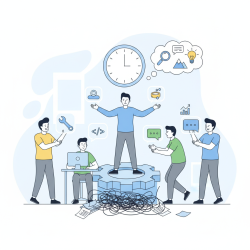
The way an SEM manages their time sends a powerful signal to their team and can dramatically influence the team's strategic output. Consider the following scenarios:
- Bad Time Management: If an SEM constantly shifts priorities, is perpetually in reactive mode, or fails to carve out time for strategic planning, the team will likely mirror this behavior. Projects may lack clear direction, engineers might feel disoriented by frequent context switching, and critical long-term initiatives could be perpetually sidelined. This can lead to a culture of 'firefighting,' where the team is always responding to crises rather than building strategically. Delivery might be inconsistent, quality could suffer, and morale might dwindle as strategic goals become secondary to urgent, but less important, tasks.
- Good Time Management: Conversely, an SEM who demonstrates strategic time planning establishes a clear vision. They allocate time for deep work, planning, and proactive problem-solving. This consistency and foresight enable the team to focus on defined objectives, understand their contribution to the larger strategy, and execute with greater autonomy. The team feels supported, confident in their priorities, and empowered to deliver high-quality, strategically aligned work. This fosters a culture of innovation, stable delivery, and continuous improvement, directly contributing to the organization's strategic success.
Your ability to manage your schedule effectively directly translates into your team's ability to maintain focus, avoid unnecessary distractions, and execute against strategic roadmaps. It provides the stability and predictability needed for complex engineering endeavors.
Deciphering Important vs. Urgent Tasks
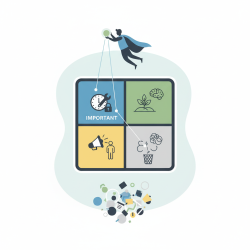
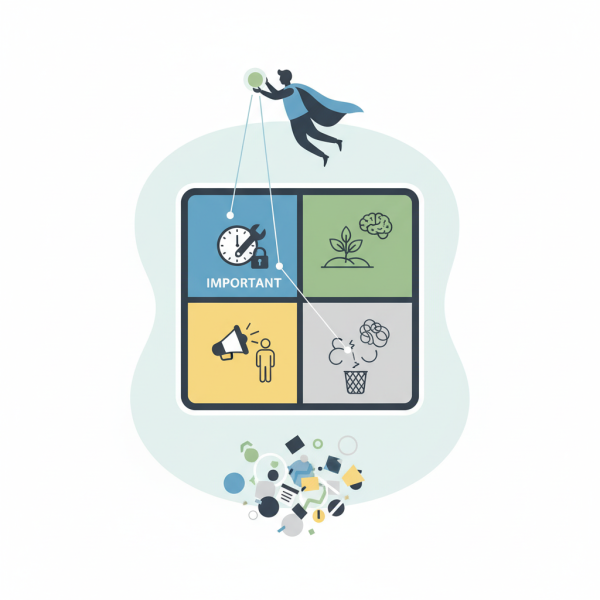
A cornerstone of strategic time planning is the ability to distinguish between urgent and important tasks. These two concepts are often confused, leading to misallocation of effort and a reactive mindset.
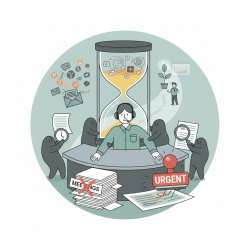
- Urgent Tasks: These demand immediate attention. They are often time-sensitive and have clear deadlines, usually imposed externally. Examples include critical production incidents, immediate requests from upper management, or last-minute bug fixes for a pending release. Urgent tasks often create a sense of pressure and can feel like emergencies. While some urgent tasks are also important, many are simply distractions that do not contribute to long-term goals.
- Important Tasks: These contribute to your long-term goals, mission, and strategic objectives. They may not have immediate deadlines but are crucial for future success. Examples include strategic planning, mentoring team members, improving architectural stability, technical debt reduction, process optimization, or developing new skills. Important tasks often require deep work, strategic thinking, and proactive scheduling. Neglecting them can lead to future crises that then become urgent.
The key insight is that urgent tasks shout, while important tasks whisper. Failing to address important tasks proactively will inevitably turn them into urgent crises down the line, perpetuating a cycle of reactivity.
Strategic Approaches to Task Handling
Understanding the difference between urgent and important tasks is the first step; developing a strategy to handle them effectively is the next. Your approach must prioritize strategic impact while managing immediate demands.
For Urgent Tasks:
- Triage Swiftly: Quickly assess the true impact and criticality. Is it a true emergency requiring your immediate, direct intervention, or can it be delegated or deferred?
- Delegate and Empower: Many urgent tasks can and should be delegated to appropriate team members. This empowers your team, builds their ownership, and frees your time for more strategic work. Establish clear communication channels and trust your team.
- Automate or Streamline: For recurring urgent tasks (e.g., specific reporting or minor production alerts), explore automation solutions or process improvements to reduce future manual effort.
- Protect Focus: Once an urgent task is addressed or delegated, consciously shift your focus back to important, strategic work to avoid getting pulled into a continuous loop of reactivity.
For Important Tasks:
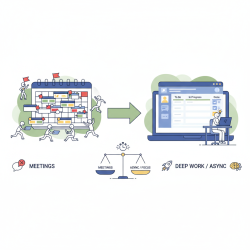
- Schedule Dedicated Blocks: Proactively block out significant, uninterrupted time in your calendar for strategic planning, architectural reviews, one-on-ones, and project deep dives. Treat these blocks as non-negotiable appointments.
- Break Down and Prioritize: Large strategic initiatives can feel overwhelming. Break them into smaller, manageable sub-tasks. Prioritize these based on their strategic impact and dependencies.
- Regular Review and Adjustment: Periodically review your strategic tasks to ensure they are still aligned with overall objectives and adjust as business priorities evolve.
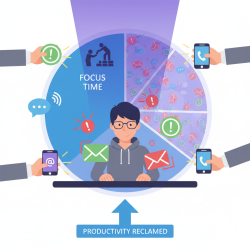
- Resist Interruptions: Cultivate an environment that minimizes interruptions during your dedicated strategic work time. Communicate your focus periods to your team and encourage them to batch non-critical questions.
By consciously applying these strategies, you can shift from a reactive stance to a proactive one, ensuring that your efforts contribute meaningfully to your team's and organization's strategic goals.
Cultivating a Strategic Time Mindset
Becoming a strategic time planner is an ongoing journey that requires continuous self-awareness, discipline, and adaptation. It's about developing a mindset that constantly asks, "Is this the most impactful use of my time right now?"
This involves:
- Regularly reflecting on where your time is actually spent versus where you believe it should be spent.
- Setting clear boundaries for your availability and communicating them effectively to your team and stakeholders.
- Empowering your team to make decisions and handle operational challenges, fostering their growth and freeing your capacity for higher-level thinking.
- Continuously learning new productivity techniques and adapting your approach based on what works best for your specific role and team dynamics.
Summary
In conclusion, for a Software Engineering Manager, strategic time planning is a critical competency that underpins effective leadership and successful team outcomes. It involves a deliberate shift from reactive task management to proactive, impact-driven time allocation. By understanding the profound difference between urgent and important tasks and applying tailored strategies for each, SEMs can protect their strategic bandwidth, guide their teams towards long-term objectives, and foster a culture of purposeful execution. Embracing this strategic mindset not only enhances personal productivity but also serves as a powerful catalyst for the entire engineering organization's strategic success.
Comprehension questions
 How does a Software Engineering Manager's time management style directly influence their team's strategic output and culture?What is the key distinction between urgent and important tasks, and why is this distinction crucial for strategic time planning?Name two specific strategies an SEM can use to effectively handle urgent tasks without derailing their focus on strategic objectives.Describe two methods for ensuring that important, long-term strategic tasks receive the necessary dedicated time and attention from an SEM.
Community Poll
Next Lesson
Course Contents : Improving Time Management for Engineering Managers
- >> 2.
 Being a Strategic Time Planner