How Time Efficiency influences Work-Life Balance
- -->> 10. How Time Efficiency influences Work-Life Balance
What you'll learn
 Time Management StrategiesWork-Life Balance BenefitsImpact of InefficiencyLeadership by Example
As Software Engineering Managers, our days are a relentless parade of meetings, code reviews, architectural decisions, and people management. The demands on our time are immense, often leading to long hours and the creeping feeling that personal life is perpetually on the back burner. However, the path to a sustainable and fulfilling career, coupled with a vibrant personal life, lies not in working harder, but in working smarter. Becoming more efficient with your time is not just a productivity hack; it's the fundamental lever for achieving a greater work-life balance.
The Efficiency-Balance Equation
The relationship between time efficiency and work-life balance is direct and profound. When you effectively manage your time, you're not merely completing tasks; you're creating margin. This margin translates into less stress, fewer last-minute rushes, and critically, more predictable working hours. By optimizing your workflow and decision-making processes, you reduce the need to extend your workday into personal time, allowing you to fully disengage and recharge. This proactive approach to time directly reduces the encroachment of professional responsibilities on your evenings and weekends.
The Ripple Effect of Effective Time Management
Effective time management, when practiced consistently, creates a positive feedback loop that significantly enhances both professional success and personal happiness. Consider the manager who meticulously plans their week, delegates effectively, and sets clear boundaries. Such a manager:
- Consistently meets project milestones, building trust with stakeholders and demonstrating leadership effectiveness.
- Empowers their team by providing clear direction and ample support, fostering a high-performing and motivated environment.
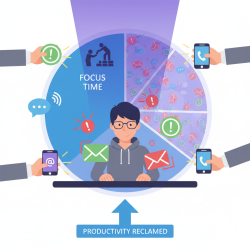
- Reduces the likelihood of context switching, allowing for deeper, more focused work on critical tasks, leading to higher quality outcomes.
- Avoids the stress and burnout associated with constant firefighting, maintaining mental clarity and strategic thinking capabilities.
- Creates predictable personal time, enabling them to invest in family, hobbies, and personal well-being, which in turn fuels their energy and creativity at work.
This virtuous cycle leads to a higher sense of accomplishment, improved team morale, and a personal life that feels enriching rather than neglected. It’s about achieving more with less frantic effort, ultimately translating into a happier, more balanced individual who is a more effective leader.
The Downward Spiral of Poor Time Management
Conversely, a lack of effective time management can quickly spiral into a detrimental cycle, eroding both professional performance and personal well-being. Managers who consistently struggle with time often find themselves:
- Caught in a reactive mode, constantly responding to urgent rather than important tasks, leading to perpetual project delays and missed deadlines.
- Overwhelmed by an ever-growing backlog, leading to increased stress, anxiety, and a feeling of being perpetually behind.
- Unable to delegate effectively, hoarding tasks and becoming a bottleneck for their team, stifling team growth and productivity.
- Working excessively long hours, including evenings and weekends, to catch up, leading to severe personal time erosion and resentment towards their role.
- Experiencing burnout, leading to decreased job satisfaction, impaired decision-making, and potential health issues.
This pattern not only damages professional reputation and team morale but also decimates personal free time, turning what should be periods of rest and rejuvenation into extensions of the workday. The constant pressure and lack of personal space can severely impact relationships, mental health, and overall quality of life.
Strategies for Software Engineering Managers
To reverse this trend and cultivate better work-life balance through efficiency, Software Engineering Managers can adopt several practical strategies:
- Prioritize Ruthlessly: Implement frameworks like the Eisenhower Matrix or MoSCoW to distinguish between urgent/important, and eliminate or defer non-critical tasks.
- Master Delegation: Identify tasks that can be effectively handled by team members. Trust your team, provide clear instructions, and empower them to take ownership.
- Time Blocking and Focus Sprints: Allocate dedicated, uninterrupted blocks in your calendar for deep work, strategic planning, or critical tasks. Protect these blocks fiercely.
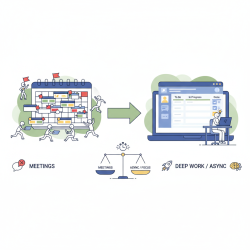
- Optimize Meeting Culture: Challenge the necessity of every meeting. Ensure agendas are clear, timeboxes are respected, and decisions are documented. Encourage asynchronous communication where possible.
- Leverage Automation and Tools: Utilize project management software, communication platforms, and automation tools to streamline repetitive tasks and improve information flow.
- Regular Reflection and Adjustment: Periodically review your time usage. What worked? What didn't? Adjust your strategies based on insights gained.
Cultivating a Culture of Efficiency
As a manager, your practices set the tone for your team. By demonstrating effective time management, you not only improve your own balance but also empower your team members to do the same. Encourage your team to establish healthy boundaries, prioritize their work, and take regular breaks. A team that operates efficiently and respects personal time is a more engaged, productive, and resilient team overall.
Summary
Ultimately, achieving a robust work-life balance for Software Engineering Managers is inextricably linked to mastering time efficiency. By adopting strategic time management practices, managers can not only enhance their professional output and leadership effectiveness but also reclaim valuable personal time. This conscious effort prevents burnout, fosters personal well-being, and creates a more sustainable and fulfilling career journey, positively influencing both individual happiness and team success.
Comprehension questions
 How does effective time management directly contribute to a better work-life balance for Software Engineering Managers?What are some negative consequences of poor time management on a Software Engineering Manager's professional and personal life?List three specific strategies Software Engineering Managers can adopt to improve their time efficiency.Why is it important for managers to cultivate a culture of efficiency within their teams?
Community Poll
Next Lesson

Course Contents : Improving Time Management for Engineering Managers
- >> 10.
 How Time Efficiency influences Work-Life Balance