Removing Interruptions for Focused Engineering Management
- -->> 9. Removing Interruptions for Focused Engineering Management
What you'll learn
 Interruption IdentificationProactive ManagementCommunication StrategiesEnvironment Optimization
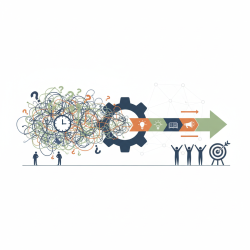
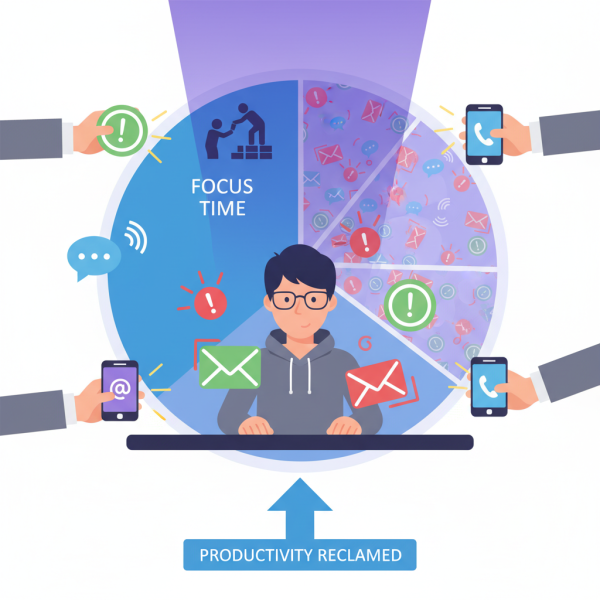
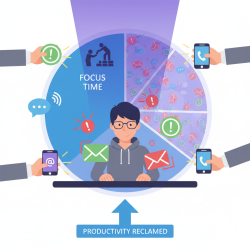
As a Software Engineering Manager, your day is often a whirlwind of meetings, project updates, code reviews, and critical problem-solving. Amidst this complexity, constant interruptions can feel like an inescapable part of the job. These disruptions, from quick Slack pings to urgent ad-hoc questions, fragment your attention, erode productivity, and make it challenging to engage in deep, strategic thinking. However, identifying the sources of these interruptions, implementing proactive strategies, and refining your daily approach can significantly reduce their impact, allowing you to lead more effectively and reclaim valuable focus.
The Hidden Cost of Constant Interruptions
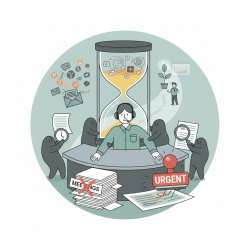
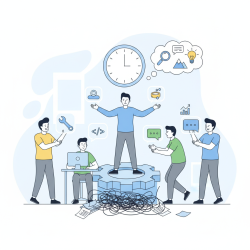
The immediate impact of an interruption might seem minor – just a few minutes lost. However, the cumulative effect is far more detrimental. Each interruption incurs a 'context switching tax,' where your brain needs time to re-engage with the original task. This leads to:
- Reduced Deep Work Time: Strategic planning, system design, and complex problem-solving require sustained, uninterrupted focus, which becomes nearly impossible with constant pings.
- Increased Stress and Burnout: The feeling of constantly being pulled in different directions and never completing a task can lead to mental fatigue and a sense of overwhelm.
- Diminished Quality of Work: Rushed decisions and less thorough analysis can result from fractured attention, impacting the quality of your output and guidance.
- Delayed Critical Initiatives: When you're constantly putting out small fires, larger, more important initiatives often get postponed.
Identifying Your Interruption Hotspots
Before you can tackle interruptions, you need to understand where they're coming from. For a few days, try a simple exercise:
- Track Your Interruptions: Keep a mental or physical log for a couple of days. Note down when you're interrupted, by whom, and what the interruption was about. Was it a Slack message, an unexpected call, an office walk-up, or an email notification?
- Categorize the Disruptions: Are they truly urgent? Are they questions that could be answered by documentation? Are they recurring issues that point to a systemic problem?
- Analyze the Patterns: Do interruptions peak at certain times of day? Do they come from specific individuals or teams? Understanding these patterns is key to devising targeted solutions.
Proactive Strategies to Minimize Disruptions
Taking control of your schedule means actively creating boundaries and optimizing your availability.
1. Scheduled Focus Blocks: Dedicate specific, non-negotiable blocks of time in your calendar for deep work. Treat these as sacred appointments. During these times, minimize notifications and communicate your unavailability to your team. Use this time for strategic planning, architectural reviews, or individual contributor tasks if you still have them.
2. Office Hours / Designated Availability: Establish specific periods when you are intentionally available for ad-hoc questions or quick chats. This encourages your team to batch their questions and respect your focus time outside of these windows. Communicate these 'office hours' clearly.
3. Optimize Communication Channels: Set clear expectations for different communication tools. For example, Slack might be for quick, non-urgent queries, while email is for more formal, less immediate discussions. Urgent issues should follow a defined escalation path that might include a direct call, but not an immediate expectation of interruption for every ping.
4. Empower Your Team and Improve Documentation: Many interruptions stem from team members needing immediate answers to questions they could potentially find themselves. Invest in clear, accessible documentation (e.g., FAQs, wikis, runbooks) for common processes, decision frameworks, and technical information. Empower your team to make decisions at their level and encourage them to seek solutions independently before escalating.
Reactive Techniques for Handling Interruptions Gracefully
Despite best efforts, some interruptions are unavoidable. How you handle them can make a big difference.
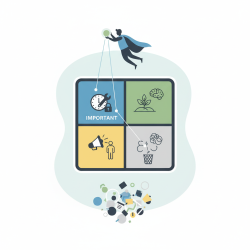
- The "Can This Wait?" Filter: When interrupted, quickly assess the urgency and importance. Is this truly critical, or can it be addressed later? Politely defer non-urgent requests: "I'm in the middle of something right now, can we connect at [your office hours] or can you put it in Slack for me to review soon?"
- Timeboxing Responses: If you must engage, timebox your response. "I have 5 minutes right now to discuss this, or we can schedule a dedicated 30 minutes later today." This prevents a quick question from spiraling into a lengthy, unscheduled discussion.
- Physical and Digital Boundaries: Use noise-cancelling headphones as a visible signal of focus. Leverage "Do Not Disturb" features on communication platforms and your operating system. Close unnecessary tabs and applications to minimize digital distractions during focus times.
Cultivating a Culture of Focused Work
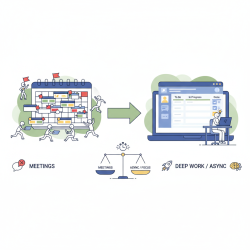
As a manager, you set the tone. Lead by example in managing your own interruptions and encourage your team to do the same. Discuss the impact of constant context switching with your team and collectively brainstorm ways to improve focus for everyone. This might include reviewing meeting cadences for efficiency, encouraging the use of async communication, and fostering a sense of psychological safety where team members feel comfortable pushing back on non-critical interruptions.
Examples of Daily Routine Changes
Here are some practical changes you can implement:
- Start your day with an hour of focused, deep work before checking emails or Slack.
- Schedule 1:1s and recurring team meetings back-to-back to create larger, uninterrupted blocks of time around them.
- Dedicate specific times to check and respond to communication tools (e.g., check Slack every 60-90 minutes, process emails twice a day).
- Instead of immediately responding, add non-urgent requests to a 'to-do' list to address during your communication blocks.
- Take short, intentional breaks away from your desk to clear your mind, rather than just jumping from one interrupted task to another.
Summary
Constant interruptions are a significant challenge for Software Engineering Managers, impacting productivity, strategic thinking, and well-being. By actively identifying the sources of these disruptions, implementing proactive strategies like scheduled focus blocks and designated availability, and employing graceful reactive techniques, you can significantly mitigate their impact. Cultivating a culture that values focused work and making deliberate changes to your daily routine will empower you to reclaim control over your time and lead your team more effectively.
Comprehension questions
 What are three hidden costs of constant interruptions for an Engineering Manager?Name two proactive strategies mentioned in the article to minimize disruptions.How can an Engineering Manager use 'office hours' to reduce ad-hoc interruptions?What is the 'Can This Wait?' filter, and how should it be applied when interrupted?
Review Quiz
Next Lesson
Course Contents : Improving Time Management for Engineering Managers
- >> 9.
 Removing Interruptions for Focused Engineering Management