Optimizing Meeting Schedules and Durations
- -->> 6. Optimizing Meeting Schedules and Durations
What you'll learn
 Effective Meeting ManagementSynchronous vs. Asynchronous CommunicationStrategies for Meeting ReductionTactics for Shorter Meetings
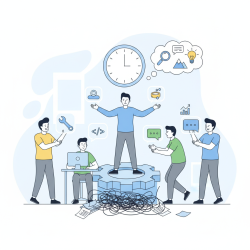
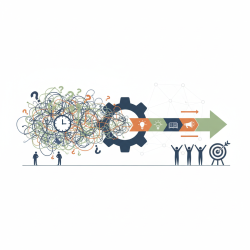
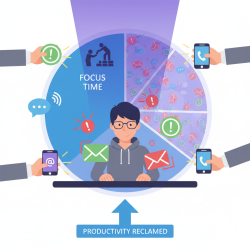
As a Software Engineering Manager, your calendar often feels like a battlefield, heavily populated with meetings. While collaboration is vital, an overload of poorly structured or unnecessary meetings can severely impact individual productivity, team morale, and overall project velocity. The goal isn't to eliminate meetings entirely, but rather to optimize their purpose, frequency, and duration, ensuring that every scheduled interaction genuinely contributes to progress and value, rather than merely consuming time. Reclaiming your team's focus and flow states is paramount for innovation and execution in a fast-paced engineering environment.
Meetings vs. Asynchronous Communication
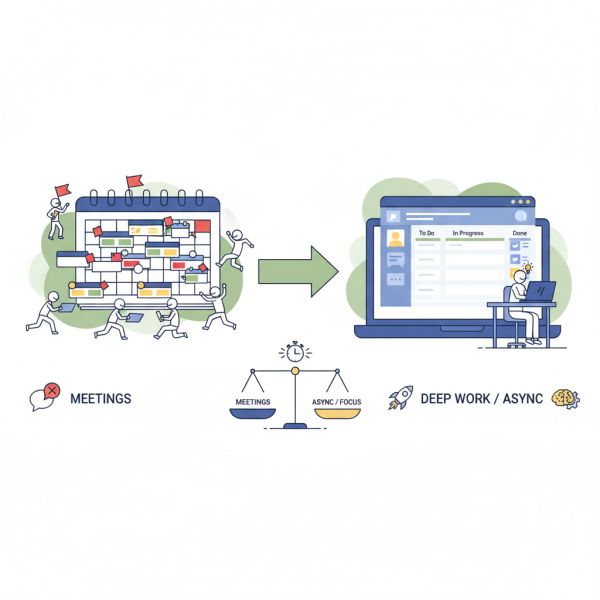
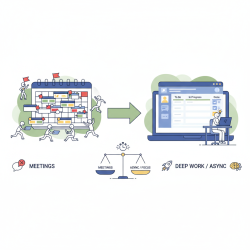
One of the most critical distinctions to make for meeting optimization is understanding when synchronous, real-time discussion is truly necessary versus when information exchange can be handled asynchronously. Not all communication requires immediate, live interaction. Often, a quick update or a simple question can derail an entire team's flow if it necessitates a meeting.
Synchronous meetings are invaluable for:
- Complex problem-solving that requires real-time whiteboarding or collaborative ideation.
- Brainstorming sessions where rapid-fire ideas and immediate feedback drive creativity.
- Critical decision-making processes where nuances, emotional intelligence, and immediate consensus are essential.
- Building team cohesion, onboarding new members, or conducting sensitive one-on-ones.
- Conflict resolution that benefits from direct, verbal interaction to read body language and tone.
- Retrospectives or post-mortems needing open, candid group discussion.
Conversely, asynchronous communication channels like instant messaging, email, or project management tools are ideal for:
- Status updates that are primarily informational and don't require immediate discussion.
- Sharing documents, code reviews, or design proposals for feedback and review.
- Simple questions and answers that don't need a live dialogue.
- Delegating tasks or clarifying project requirements.
- Announcements or disseminating information to a broad audience.
- Discussions where participants are in different time zones or have conflicting schedules.
Strategies for Fewer Meetings
Reducing the sheer number of meetings on your calendar requires a conscious shift in default behavior and a commitment to protecting your team's time.
Firstly, adopt a "default to async" mindset. Before scheduling a meeting, ask yourself: Can this be communicated or resolved through an email, a Slack thread, or a document? If the answer is yes, then that's the preferred route. This simple gatekeeping question can eliminate a significant portion of unnecessary meetings.
Empower your team leads and individual contributors to make decisions and provide updates asynchronously. Foster a culture where information is readily accessible in shared documentation platforms, reducing the need for meetings simply to convey information that could be read.
Consider instituting "no meeting days" or "no meeting blocks" within the week. For example, designate Tuesdays and Thursdays as primary meeting days, leaving Mondays, Wednesdays, and Fridays free for deep work. This provides dedicated focus time for engineering tasks, allowing individuals to enter and maintain a flow state without constant interruption.
Regularly audit recurring meetings. Every quarter, review your standing meetings. Is the agenda still relevant? Are the right people attending? Can its frequency be reduced (e.g., bi-weekly instead of weekly) or even eliminated? Don't be afraid to cancel meetings that have outlived their purpose.
Tactics for Shorter Meetings
Once you've determined a meeting is essential, the next step is to ensure it is as efficient and brief as possible.
Always send a clear agenda with defined objectives in advance. This allows participants to prepare, gather necessary information, and come ready to contribute, rather than using meeting time for initial context setting. Encourage pre-reading of any relevant documents.
Timebox each agenda item. Assign specific time limits to topics and stick to them. A designated facilitator can help keep the discussion on track and ensure all items are covered within the allotted meeting duration.
Consider using a "standing meeting" format for brief daily syncs. The discomfort of standing naturally encourages brevity and focus, making it ideal for quick stand-ups or status checks.
Start and end meetings on time, every time. Respecting everyone's calendar by adhering to the schedule sets a professional tone and encourages punctuality. If a discussion runs over, table it for a follow-up async discussion or a separate, focused meeting if truly necessary, rather than penalizing the next scheduled meeting.
Designate a note-taker and clearly define action items with owners and deadlines at the end of the meeting. Distribute these notes promptly. This ensures accountability and prevents discussions from being rehashed in subsequent meetings due to a lack of clarity.
Leveraging Tools Effectively
Modern software engineering teams have access to a plethora of tools that can significantly aid in meeting optimization. Project management platforms (Jira, Asana, Trello) allow for task tracking and status updates without a meeting. Communication platforms (Slack, Microsoft Teams) facilitate quick questions, announcements, and informal discussions. Document collaboration tools (Confluence, Google Docs, Notion) enable asynchronous feedback and collective knowledge sharing.
By fully leveraging these tools, managers can create a transparent environment where information is readily available and decisions can be documented and communicated without requiring a synchronous gathering. This shifts the default mode of operation from "meeting to inform" to "document to inform," reserving meetings for true collaborative problem-solving.
Summary
Optimizing meeting schedules is a continuous process that requires intentional effort from Software Engineering Managers. By critically evaluating the necessity of each meeting, distinguishing between synchronous and asynchronous communication, and implementing strategies for fewer and shorter meetings, you can significantly reclaim valuable time. This not only boosts individual and team productivity but also fosters a culture of focused work and effective communication, ultimately driving greater innovation and success within your engineering organization.
Comprehension questions
 What is the primary goal of optimizing meeting schedules for Software Engineering Managers?List three types of communication scenarios where a synchronous meeting is most valuable.Name two strategies mentioned in the article for reducing the overall number of meetings.How can a clear agenda and timeboxing contribute to making meetings shorter and more effective?
Review Quiz
Next Lesson
Course Contents : Improving Time Management for Engineering Managers
- >> 6.
 Optimizing Meeting Schedules and Durations