Task Organization and Prioritization to Streamline your Day
- -->> 3. Task Organization and Prioritization to Streamline your Day
What you'll learn
 Task Prioritization TechniquesEisenhower Matrix ApplicationTime Management StrategiesManagerial Productivity
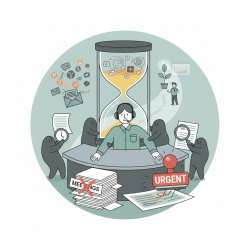
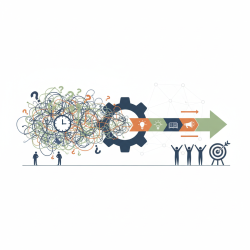
Your days are a dynamic blend of technical oversight, team leadership, strategic planning, and operational demands. The sheer volume of tasks, requests, and interruptions can quickly overwhelm even the most seasoned professional, leading to a sense of constant busyness without commensurate progress. Maximizing your time efficiency isn't just about working harder; it's about working smarter through intentional organization and astute prioritization. This article will equip you with practical strategies to navigate the complexities of your role, ensuring you focus on what truly matters and drive meaningful outcomes for your team and organization.
Understanding Your Unique Task Landscape
The role of a Software Engineering Manager is inherently multifaceted. You're balancing code reviews, architectural decisions, one-on-ones, performance reviews, hiring processes, stakeholder meetings, incident responses, and long-term strategic initiatives. Each of these categories carries its own set of demands and timelines. Recognizing this diverse landscape is the first step toward effective management. Your task list isn't homogenous; it requires a nuanced approach to categorization and action.
Differentiating Important vs. Non-Important Tasks: The Eisenhower Matrix
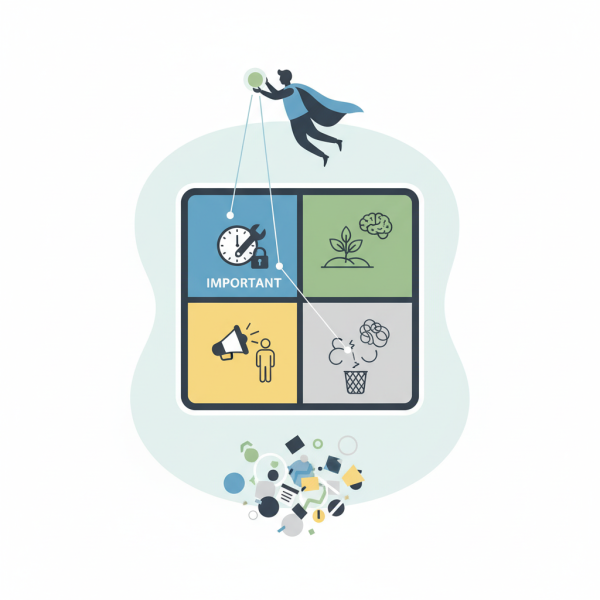
A fundamental skill for any manager is the ability to distinguish between what is truly important and what merely feels urgent. The Eisenhower Matrix is an invaluable tool for this. It categorizes tasks into four quadrants:
- Urgent and Important (Do First): These are critical tasks that require immediate attention. For an SEM, this might include resolving a critical production issue, addressing an urgent security vulnerability, or preparing for an executive-level strategic review with a tight deadline. These tasks directly impact your team's ability to deliver or the business's stability.
- Important but Not Urgent (Schedule): This quadrant is where much of your proactive and strategic work resides. Examples include developing career growth plans for your team members, conducting regular one-on-ones, refining architectural roadmaps, process improvements, or learning new technologies relevant to your team's future. These tasks contribute significantly to long-term success and prevent future urgent issues, but they don't have immediate deadlines.
- Urgent but Not Important (Delegate): These tasks demand immediate attention but do not necessarily contribute directly to your core responsibilities or strategic goals. Often, these are interruptions or requests that can be handled by others. Examples might include answering routine status requests, coordinating logistics for team events, or debugging a minor issue that a junior engineer could solve with guidance. Effective delegation is key here.
- Not Urgent and Not Important (Eliminate): These are distractions and time-wasters. For an SEM, this could involve attending non-essential meetings with no clear agenda, engaging in extensive social media browsing during work hours, or excessively tweaking minor, non-impactful details in a document. Identify these tasks and ruthlessly eliminate them from your schedule to free up valuable time.
Regularly applying this matrix helps you make conscious decisions about where to invest your energy, shifting focus from reactive fire-fighting to proactive value creation.
Recognizing Time-Sensitive vs. Flexible Timeframes
Beyond importance, the element of time sensitivity profoundly impacts prioritization. Understanding the temporal nature of your tasks allows for more strategic scheduling.
- Time-Sensitive Tasks: These tasks have fixed deadlines, external dependencies, or specific windows of opportunity. Missing these deadlines can have significant consequences, such as delaying a product launch, missing a compliance requirement, or failing to secure critical resources. Examples include quarterly planning submissions, performance review deadlines, release cut-off dates, or responding to an incident within an SLA. These often demand immediate or near-term action.
- Flexible Timeframe Tasks: These tasks have broader completion windows, can be worked on incrementally, or can be rescheduled without immediate detriment. While they are still important for long-term goals, their specific completion date is less rigid. Examples include researching new tools for future adoption, refining internal documentation, mentoring a team member on a long-term skill, or exploring innovative solutions for a future project. These tasks provide an opportunity for flexible scheduling, allowing you to fill gaps or defer them when higher-priority, time-sensitive work arises.
A good practice is to clearly mark deadlines and dependencies for all tasks in your management system. This visual cue helps in quickly identifying what needs immediate attention versus what can be strategically placed later in your schedule.
Comprehension questions
 What are the four quadrants of the Eisenhower Matrix and what do they represent?Name three effective prioritization strategies discussed in the article.What are some common pitfalls Software Engineering Managers should avoid when managing their time and tasks?
Community Poll
Next Lesson
Course Contents : Improving Time Management for Engineering Managers
- >> 3.
 Task Organization and Prioritization to Streamline your Day