Why Time Management is Critical for Software Engineering Managers
- -->> 1. Why Time Management is Critical for Software Engineering Managers
What you'll learn
 Project Delivery EfficiencyTeam Productivity & MoraleStrategic LeadershipManager Well-being
The role of a Software Engineering Manager (SEM) is a demanding tightrope walk, balancing technical oversight with human leadership. It's a world of context switching, unexpected emergencies, and long-term strategic planning. In this high-stakes environment, the ability to manage time effectively isn't just a desirable trait; it's a fundamental pillar upon which successful leadership and team performance are built. Without it, the best intentions can crumble under the weight of an ever-growing to-do list, leading to missed deadlines, overwhelmed teams, and burnout.
The Multifaceted Role of an SEM
Software Engineering Managers wear many hats. They are often responsible for architectural decisions, code reviews, sprint planning, one-on-ones, performance reviews, hiring, mentorship, stakeholder communication, and mitigating technical debt. Each of these areas demands significant attention and cognitive load. The sheer volume and diversity of tasks can quickly become overwhelming, making structured time allocation a necessity.
The ability to fluidly transition between these varied responsibilities while ensuring each receives adequate focus is a hallmark of an effective manager. This fluidity is impossible without a robust system for managing one's time and priorities. An SEM who is constantly reacting to the immediate rather than proactively planning will find their days consumed by urgent, but not always important, tasks, leaving critical strategic work undone.
Driving Project Success and On-Time Delivery
Poor time management by a manager can cascade throughout the team, leading to delays and missed commitments. If a manager is late in unblocking a developer, reviewing a critical pull request, or making a pivotal technical decision, the entire project timeline can suffer. This ripple effect can erode team morale and stakeholder confidence.
Effective time management allows managers to allocate sufficient time to critical path items, proactively identify and address bottlenecks, and ensure resources are aligned with project goals. It's about meticulous prioritization and sustained focus on what truly moves the needle for a project. Regular check-ins, timely feedback, and prompt decision-making are all facilitated by a manager who controls their schedule rather than being controlled by it. This direct impact on project velocity and successful delivery cannot be overstated.
Fostering Team Productivity and Morale
A disorganized manager often means a disorganized or frustrated team. If an SEM is constantly rescheduling meetings, missing deadlines for their own deliverables, or appearing rushed and unfocused, it sets a poor example and can create an environment of uncertainty, stress, and reduced psychological safety for the team. This lack of predictability can force team members to chase down information or decisions, impacting their own productivity.
Conversely, a manager who manages their time well can provide consistent support, clear direction, and timely feedback, all of which are crucial for team productivity and a positive work environment. Such a manager builds trust and stability, enabling their team to perform at their best. Key benefits of an SEM's strong time management for the team include:
- Predictability: Teams know when to expect feedback, decisions, or unblocking from their manager, reducing idle time.
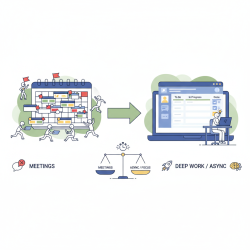
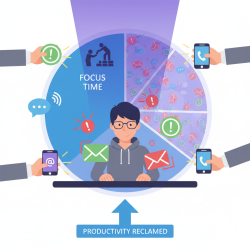
- Reduced Context Switching: Managers can dedicate focused blocks to deep work, minimizing interruptions for their team members by consolidating communication.
- Empowerment: When managers are efficient, they create space for their team members to take ownership, innovate, and grow without constant micro-management.
- Mentorship Quality: Dedicated and uninterrupted time for one-on-ones, coaching, and skill development becomes possible, fostering individual growth and career progression.
Strategic Planning and Vision
The day-to-day firefighting and urgent operational demands can easily consume an SEM's entire schedule. However, a significant and often overlooked part of the role involves long-term strategic thinking: anticipating future technical challenges, planning career paths for team members, and contributing to the broader organizational vision and product roadmap. These are the activities that distinguish a good manager from a great leader.
Without intentional time management, these crucial strategic activities are often pushed aside, leading to reactive rather than proactive management. This can result in missed opportunities, technical debt accumulation, and a lack of clear direction for the team. Blocking out dedicated time for strategic planning, even if it's just a few hours a week, is vital for a manager to elevate their perspective beyond immediate tasks and contribute meaningfully to the bigger picture. This involves:
- Analyzing technical trends and assessing new technologies.
- Forecasting resource needs and skill gaps for future projects.
- Developing team skill sets and planning professional development paths.
- Shaping product roadmaps and architectural evolution.
Personal Well-being and Preventing Burnout
Software engineering is an intense field, and management roles only amplify the pressure. Poor time management often leads to extended working hours, missed personal commitments, and chronic stress, which are all precursors to burnout. A manager experiencing burnout not only suffers personally but also loses effectiveness, potentially impacting their team negatively through reduced empathy, poorer decision-making, and increased absenteeism.
By effectively managing their time, SEMs can establish healthier boundaries between work and personal life. This not only benefits their own well-being but also models healthy work habits for their team, encouraging a more sustainable pace for everyone. Prioritizing tasks, delegating appropriately, and learning to say "no" or "not now" are critical skills that emerge from effective time management. These skills contribute significantly to mental and physical health, ensuring that a manager can sustain their performance and enthusiasm over the long term. A well-rested and less stressed manager is a more effective, empathetic, and resilient leader.
Summary
Effective time management is not merely an organizational hack for Software Engineering Managers; it is a critical competency that underpins success across multiple dimensions. From ensuring project delivery and fostering a productive, high-morale team, to enabling strategic foresight and safeguarding personal well-being, the disciplined allocation of time creates a ripple effect of positive outcomes. Mastering this skill allows SEMs to navigate their complex roles with greater clarity, purpose, and impact, ultimately leading to more successful projects and thriving teams.
Comprehension questions
 What are some key responsibilities of a Software Engineering Manager that necessitate effective time management?How does an SEM's poor time management potentially impact project timelines and team productivity?Why is it important for SEMs to block out dedicated time for strategic planning, and what activities fall under this category?Beyond professional benefits, how does effective time management contribute to an SEM's personal well-being and prevent burnout?
Review Quiz
Next Lesson

Course Contents : Improving Time Management for Engineering Managers
- >> 1.
 Why Time Management is Critical for Software Engineering Managers